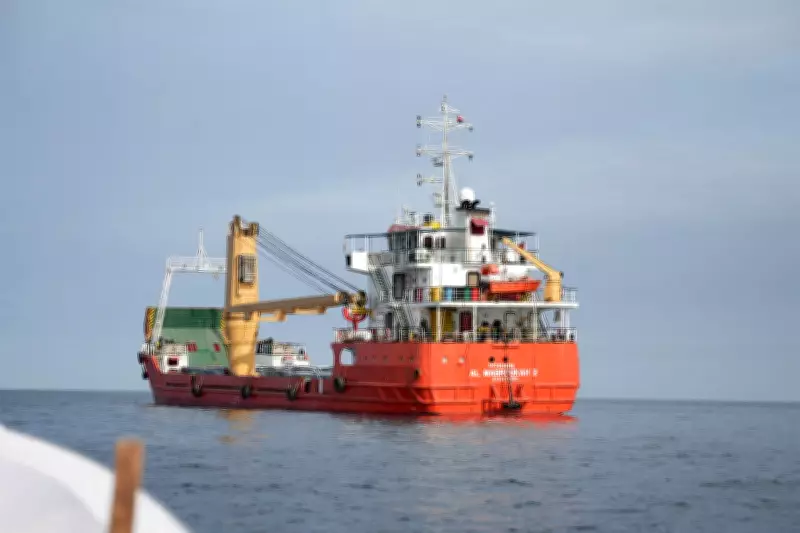
The United States has dramatically escalated tensions in the Middle East by initiating a comprehensive naval blockade on all ships entering and exiting Iranian ports. This decisive action is being enforced by U.S. Central Command (CENTCOM) across the strategic waters of the Gulf of Oman and the Arabian Sea.
Scope and Enforcement of the Blockade
The blockade applies universally to all vessels, irrespective of their national flag. Any unauthorized ship attempting to enter or depart the designated blockaded area faces immediate interception, potential diversion, and capture by U.S. naval forces. The restrictions cover the entirety of the Iranian coastline, encompassing all major ports and critical oil terminals.
Humanitarian Exceptions and Inspections
In a notable concession, shipments deemed humanitarian—specifically those carrying food and medical supplies—are permitted passage. However, these vessels remain subject to rigorous inspection protocols to ensure compliance with the blockade's terms.

International Response and Diplomatic Rift
In a significant development, NATO and several key U.S. allies, including the United Kingdom, have formally refused to join the blockade. This position was confirmed by the United Kingdom Maritime Trade Operations (UKMTO) agency, highlighting a clear divergence in international policy.
UK Prime Minister Keir Starmer has explicitly stated that the United Kingdom will not participate in the U.S.-led blockade of the Strait of Hormuz, a critical global chokepoint for oil shipments. This refusal underscores a major diplomatic stance from a traditional ally.
Trump's Stern Warning
The blockade follows the collapse of high-level diplomatic talks between the United States and Iran, which were held in Islamabad. In response, former President Donald Trump issued a stark warning, declaring that the U.S. Navy would interdict any vessel found to be paying what he termed an "illegal toll" to Iran.
Trump further emphasized the severity of the enforcement, stating that any ship breaching the U.S. blockade of Iranian ports would be "immediately eliminated," signaling a zero-tolerance approach to violations.
Strategic Implications
This unilateral action by the United States, coupled with the refusal of NATO and allies like the UK to participate, creates a complex geopolitical scenario. It risks further destabilizing an already volatile region and could have profound implications for global maritime trade, particularly the flow of oil through the Strait of Hormuz. The standoff marks a pivotal moment in international relations and defense cooperation.