Ukraine and Russia Agree 32-Hour Orthodox Easter Truce Amid Doubts Over Lasting Peace
Ukraine has urged Russia to extend a ceasefire announced for Orthodox Easter this weekend and restart negotiations to end the ongoing conflict. However, civilians on the streets of Kyiv and Moscow remain doubtful that this temporary measure will pave the way for a durable peace settlement.
Ceasefire Announcement and Initial Reactions
Vladimir Putin declared a 32-hour ceasefire, set to commence on Saturday afternoon and continue throughout Orthodox Easter until midnight on Sunday. Volodymyr Zelensky, who had previously proposed an Easter truce, swiftly confirmed that Kyiv would adhere to the ceasefire, despite Moscow's earlier dismissal of such proposals as a "PR stunt."
"People need an Easter without threats and a real move towards peace, and Russia has a chance not to return to attacks even after Easter," Zelensky stated, highlighting the humanitarian aspect of the pause in hostilities.

Diplomatic Efforts and Parallels Drawn
Foreign Minister Andrii Sybiha emphasised Ukraine's proposal for strikes not to resume after Easter, drawing a parallel with the two-week ceasefire in the conflict involving the United States, Israel, and Iran. "We believe that a ceasefire is the right strategy to advance diplomatic efforts—whether we are talking about the Middle East or Russian aggression against Ukraine," he remarked.
The Kremlin, however, framed the Easter truce as a temporary humanitarian gesture, asserting its desire for a permanent peace deal rather than a mere ceasefire. This demand has been labelled by Ukraine as a delaying tactic, given that previous truces have been marred by violations.
Scepticism Among Civilians
In Kyiv, residents expressed deep scepticism amid light snow and wintry conditions. Many voiced hostility towards the Russian leadership, with one resident, Yuliia, stating, "He can only make promises about some ceasefire. No one is going to hand over our land to him." Others pointed to violations of past ceasefires, such as the 30-hour truce ordered by Putin at Easter last year.
In Moscow, cautious optimism was tempered by doubts. Irina, a sales manager, commented, "So, they agreed to a ceasefire? Well, let’s put it this way: God willing, that’s how it will be. But so far, there’s no real sense that things will improve anytime soon."
Ukrainian Military Operations and International Support
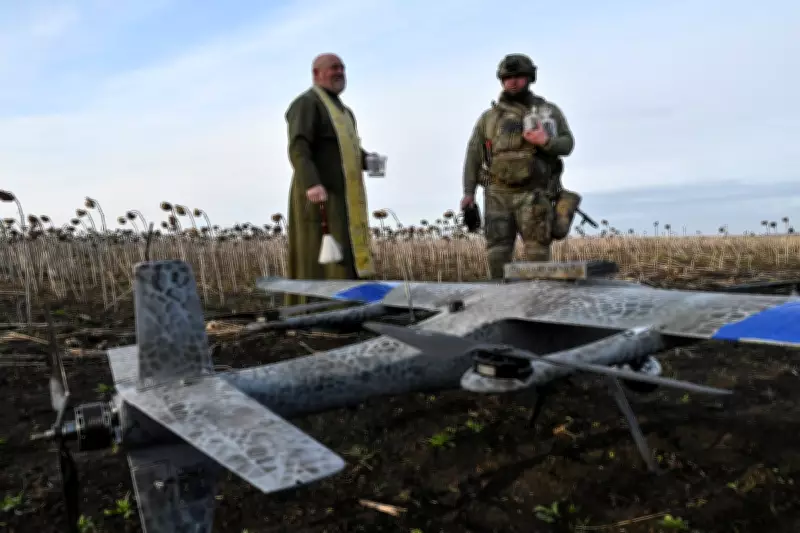
Separately, Zelensky disclosed that Ukrainian military personnel have shot down Iranian-designed Shahed drones in multiple Middle Eastern countries during the Iran war. This marks his first public acknowledgement of such operations, noting that Ukrainian forces engaged in active missions abroad using domestically produced interceptor drones.
"This was not about a training mission or exercises, but about support in building a modern air defence system that can actually work," he explained. In exchange, Ukraine is receiving weapons to protect its energy infrastructure, along with oil, diesel, and financial arrangements, bolstering its energy stability.
Zelensky added that these partnerships would be marketed as Kyiv seeks to formalise and expand its defence export role. "We are helping strengthen their security in exchange for contributions to our country's resilience. This is far more than simply receiving money," he asserted.
Concerns Over Western Support and Sanctions
The disclosure comes amid concerns that conflict in the Middle East might divert western military support from Ukraine, particularly air defence supplies. However, Zelensky reassured that partners continue to supply missiles for Patriot systems, with a new batch arriving recently.
He also warned against any easing of sanctions on Russian oil, urging western allies to restore full measures to prevent Moscow from sustaining its war effort. "Moscow has been profiting from a surge in global energy prices, brought on by damage to oil and gas infrastructure in the Gulf and Iran's blocking of the Strait of Hormuz," he noted, highlighting the economic dimensions of the conflict.

This report underscores the fragile nature of the Easter truce, with both sides holding firm to their positions and civilians remaining wary of any lasting peace breakthrough.