The United Nations nuclear watchdog has issued a stark warning about North Korea's rapidly advancing nuclear weapons programme, describing developments as "very serious" and indicative of a significant escalation in capabilities.
IAEA Reports Alarming Progress at Yongbyon Complex
Rafael Grossi, the head of the International Atomic Energy Agency (IAEA), confirmed that satellite imagery has revealed increased activity at North Korea's Yongbyon nuclear complex. The imagery shows the expansion of a suspected uranium enrichment facility and the construction of a new structure believed to be for producing weapons-grade material.
"This development signifies a very serious increase in the capabilities of North Korea in nuclear weapons production," Grossi stated, emphasising that these actions blatantly flout multiple United Nations Security Council resolutions designed to curb Pyongyang's nuclear ambitions.

Kim Jong Un's Nuclear Ambitions
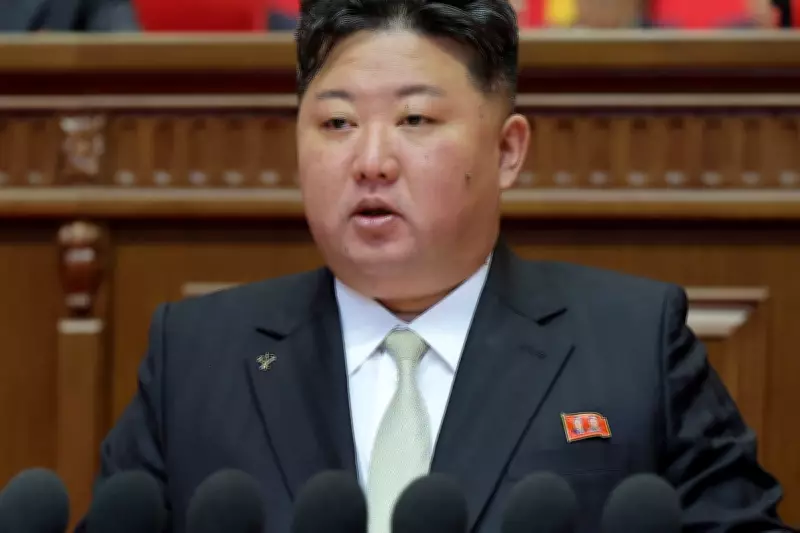
The report comes after North Korean supreme leader Kim Jong Un publicly declared his intention to develop new weapons systems and accelerate the nation's nuclear and missile programmes. Kim's stated goal is to cement North Korea's status as a recognised nuclear power on the global stage.
Analysts estimate that North Korea currently possesses a stockpile of approximately 50 nuclear weapons. Furthermore, the regime is believed to have accumulated enough fissile material to produce an additional 70 to 90 nuclear devices. The advancement in uranium enrichment technology provides a more efficient and effective pathway for acquiring the high-grade material necessary for weaponisation.
Strategic Implications and International Response
The IAEA's findings highlight a concerning trajectory in North Korea's military posture. The expansion of uranium enrichment capabilities, in particular, represents a strategic shift that could enable more rapid production of nuclear warheads and complicate international non-proliferation efforts.
This development poses a direct challenge to global security frameworks and underscores the ongoing difficulties in enforcing diplomatic and economic pressure on the isolated regime. The international community now faces renewed urgency in addressing North Korea's persistent violations of nuclear non-proliferation treaties and UN mandates.