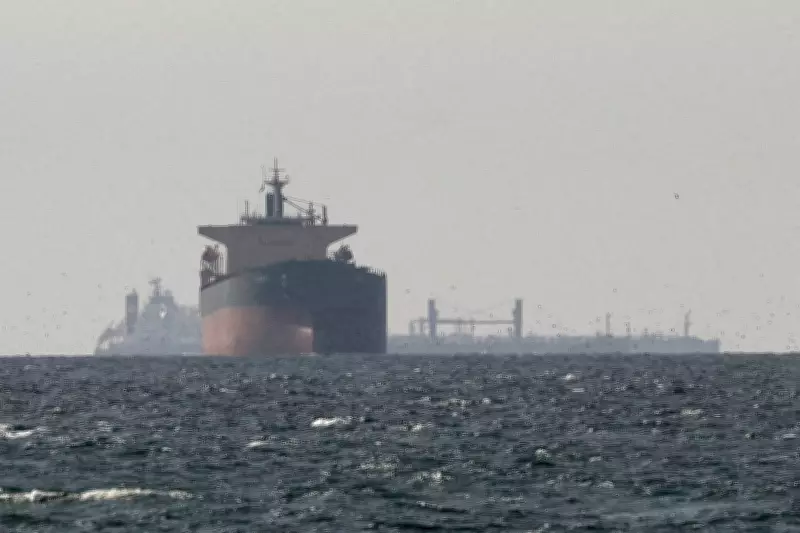
Legal Implications of a US Blockade in the Strait of Hormuz
The fragile ceasefire between the United States and Iran stands on the brink of collapse as peace negotiations in Pakistan have broken down. US President Donald Trump has escalated war rhetoric, announcing that the US Navy will blockade the strategically vital Strait of Hormuz.
Prime Minister Keir Starmer has declared that the United Kingdom will not participate in any US-led blockade of the strait, creating a significant diplomatic divergence between the two traditional allies.
Trump's Declaration and Military Planning
President Trump stated the US would intercept ships that had paid Iran a toll to pass through the strait, accusing Iran of "extortion" for charging such fees. However, reports from the New York Times indicate the US military plans to block only Iranian ports and coastal areas while allowing other vessels to pass through, suggesting a softening of the president's initial position.

The blockade is reportedly scheduled to begin on Monday morning, US Eastern time, though the exact parameters remain unclear. This development follows the collapse of peace talks that had been underway between the US and Iran.
Legal Framework for Naval Blockades
According to international law expert Professor Donald Rothwell, the current situation represents a holding pattern in the US-Israel-Iran conflict. While no active force is currently being used, there is also no settled peace agreement in place.
"In purely legal terms, if the US imposes a blockade then the ceasefire is over and hostilities have resumed," Rothwell explains. "Since the most recent hostilities commenced on February 28, Iran has effectively been prohibiting navigation in the strait."
Rothwell emphasizes the distinction between "belligerents" and "neutrals" in international law. The US, Israel, and Iran are clearly belligerents in this conflict, meaning the US can legitimately impose a blockade under the law of naval warfare.
Historical Precedents and Economic Consequences
Maritime blockades have a long history as a method of warfare, with the most recent example occurring in December 2025 when the US imposed a blockade on oil tankers traveling in and out of Venezuela while simultaneously placing sanctions on the country.
The Strait of Hormuz represents a critical passage for crude oil that fuels the global economy. A blockade would severely limit this supply, potentially sending petrol prices soaring to unprecedented levels. This economic pressure serves as a powerful negotiating tactic that would impose significant hardship on Iran if it cannot continue exporting oil.
Diplomatic Ramifications and Military Capability
Trump's initial claim that the US military would block the entire strait and pursue vessels that had paid money to Iran would cause substantial diplomatic friction with countries worldwide. The president mentioned other countries would participate in the blockade, but Australian Prime Minister Anthony Albanese stated Australia had not been asked to participate and did not expect to be involved.
If implemented, the blockade would demonstrate the enormous capability of the US military, requiring the deployment of significant naval assets. It would also confirm Trump's assertion that the US maintains control over the strategically vital region.
Freedom of Navigation Principles
The freedom of navigation through international straits like Hormuz represents one of the core principles of international law upon which global trade and the world economy depend. Historically, the United States has staunchly defended this principle.
Rothwell notes that Iran's conduct in restricting navigation can be justified on the grounds that an armed conflict has been underway and the safety of all shipping passing through the strait has been under threat. Some vessels have reportedly passed through either under Iranian escort or after paying a form of "toll" to Iran.
"This conduct needs to be understood in the context of an international armed conflict where normal freedoms of navigation are suspended," Rothwell explains.

Potential Outcomes and Global Implications
If the blockade is limited to Iranian ports, this would represent a traditional form of naval blockade between belligerents. Ships that have not come from Iranian ports and have been barred from exiting the Persian Gulf through the strait could then potentially begin moving through the strait into the Indian Ocean.
The threatened blockade of Iran and associated mine sweeping operations in the Strait may represent a step toward restoring the Strait of Hormuz as a maritime highway open for all to use. However, the path forward remains unclear, with significant questions about implementation and international response.
Trump has additionally threatened China with 50% tariffs if it is found to be assisting Iran in the conflict, adding another layer of complexity to the geopolitical situation. The economic suffering of the Iranian people would likely intensify if the blockade proceeds as planned.