

US and Iran Lock Horns in High-Stakes Naval Confrontation at Strait of Hormuz
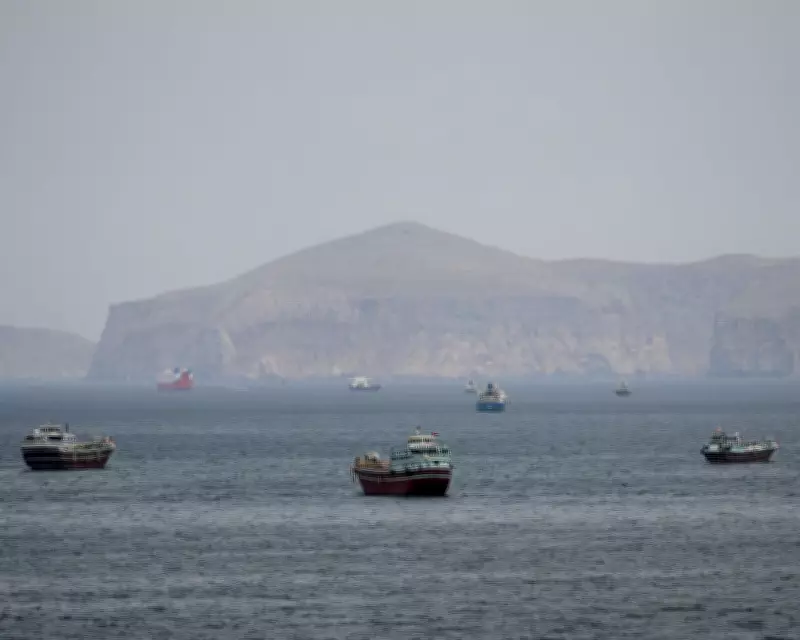
The strategic Strait of Hormuz is currently the epicentre of a tense naval standoff between the United States and Iran, with both nations employing aggressive tactics in what analysts describe as a modern-day display of gunboat diplomacy. This critical geopolitical waterway, through which a significant portion of the world's oil flows, has transformed into a testing ground for military and economic dominance, as each side believes time is on their side in this protracted conflict.
Iran's Chokehold Strategy and US Countermeasures
Iran has intensified its efforts to assert control by firing upon and seizing commercial vessels attempting to navigate the strait. This aggressive posture aims to demonstrate Tehran's capacity to maintain a chokehold on the global economy, leveraging its geographical advantage to disrupt international trade routes. In response, the United States has implemented a stringent blockade of Iranian ports, coupled with rigorous sanctions enforcement, in a bid to cripple Iran's economy by targeting its primary revenue source: oil exports.
Scott Bessent, the US Treasury Secretary, emphasised the immediacy of this strategy, stating that Iran's oil storage facilities, particularly on Kharg Island, are nearing capacity. He warned that within days, Iran could be forced to shut down production, risking long-term damage to its oil reservoirs and potentially reducing future output by hundreds of thousands of barrels daily. This economic pressure is designed to compel Tehran to reconsider its stance, even as diplomatic channels remain open.

Economic Implications and Global Repercussions
The repercussions of this standoff extend far beyond the Middle East, influencing global oil prices and economic stability. Despite efforts to manipulate markets, oil prices have surged above $100 per barrel, reflecting the strain on global supplies. This has led to cascading effects, including the cancellation of thousands of airline flights due to soaring jet fuel costs, disruptions in tourism, and increased energy inflation impacting European treasuries.
Iran, however, claims some success in circumventing the US blockade. According to cargo tracking firm Vortexa, at least 34 tankers linked to Iran have navigated around the restrictions since the blockade began, generating an estimated $910 million in revenue from crude oil exports. This highlights the complexities of enforcing such measures in a region rife with maritime activity.
Diplomatic Maneuvers and Internal Pressures
Amidst the naval confrontations, diplomatic efforts persist, albeit under strained conditions. Iran has refused to restart talks until the US blockade is lifted, while the US maintains a strategy of combining military pressure with sanctions. The recent extension of a ceasefire, initially shelved by former President Donald Trump, has left the conflict in a state of limbo, yet kinetic activities have shifted from land to sea, underscoring the ongoing volatility.
Internally, Iran faces mounting challenges, including a self-imposed internet blackout that has stifled entrepreneurship and led to widespread unemployment, particularly among the youth. Reformist voices within Iran, such as writer Ahmad Zeidabadi, advocate for a more inclusive dialogue to address the crisis, urging a departure from aggressive rhetoric towards rational decision-making. However, these calls are often overshadowed by the dominant security elite.
Escalation Risks and Future Prospects
The potential for escalation remains high, with Iran hinting at additional tactics, such as disrupting internet cables concentrated in the Strait of Hormuz, which could devastate the region's digital economies. Iranian military officials have also issued warnings to neighbouring countries, cautioning against allowing their territories to be used for attacks on Iran, threatening broader regional instability.
As both nations vie for supremacy in this trial of strength, the global community watches closely, aware that the outcome could reshape Middle Eastern geopolitics and economic landscapes. The interplay of military posturing, economic sanctions, and diplomatic overtures continues to define this high-stakes confrontation, with no immediate resolution in sight.






