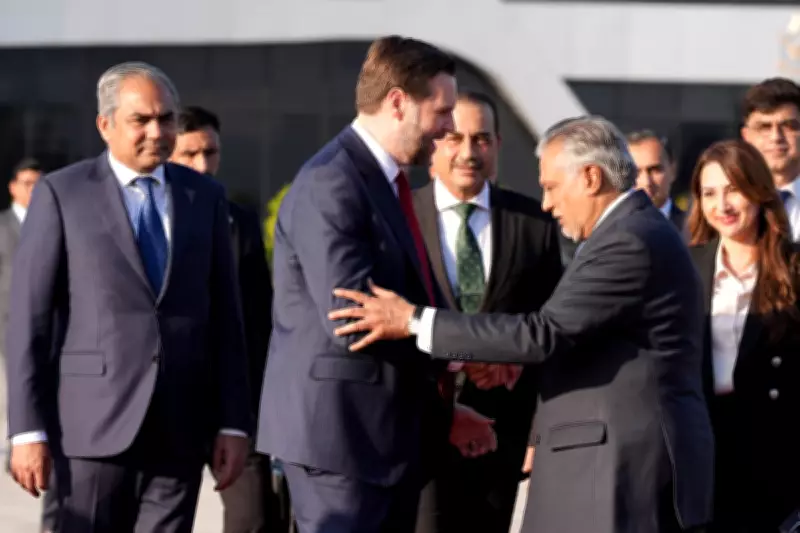
US-Iran Peace Talks Collapse After 21 Hours of High-Stakes Negotiations in Pakistan
High-stakes peace talks between the United States and Iran have collapsed after just one day of negotiations in Pakistan, failing to resolve the ongoing six-week conflict or reopen the critical Strait of Hormuz. The talks, which lasted for 21 hours, ended without any agreement, marking a significant setback in diplomatic efforts to de-escalate tensions in the region.
Reasons for the Breakdown in Diplomatic Efforts
US Vice President JD Vance attributed the breakdown to Tehran's unwillingness to commit to not developing a nuclear weapon. In a statement following the talks, Vance emphasized that Iran's nuclear ambitions were a key sticking point, preventing any meaningful progress. On the other hand, Iran cited disagreements over the management of the Strait of Hormuz and its nuclear programme, including US demands for zero enrichment, as primary reasons for the failure. Iranian officials argued that these demands were unrealistic and undermined their sovereignty.
No Further Talks Scheduled as Both Sides Dig In
Currently, no further talks are scheduled, with the US leaving what it describes as a 'final and best offer' on the table. Iran has responded by stating it is 'not in a hurry for negotiations', indicating a potential stalemate. This impasse raises concerns about the future of diplomatic relations and the possibility of renewed hostilities.

Potential Military Escalations and Strategic Moves
Following the collapse of the talks, former US President Donald Trump indicated he would consider implementing a naval blockade to pressure Iran. Additionally, US military officials have confirmed plans to establish a new passage through the Strait of Hormuz, aiming to bypass potential disruptions. These moves suggest a shift towards more assertive strategies in response to the diplomatic failure.
Implications for Regional Stability and Global Markets
The collapse of these peace talks has significant implications for regional stability and global markets. The Strait of Hormuz is a vital chokepoint for oil shipments, and any disruption could lead to increased volatility in energy prices. Moreover, the ongoing conflict and failed negotiations heighten the risk of broader military engagement, affecting international security and economic conditions.
As both sides remain entrenched in their positions, the path forward remains uncertain, with potential escalations looming on the horizon.