US and Iran's 21-Hour Islamabad Talks: A Marathon Session with Little Progress
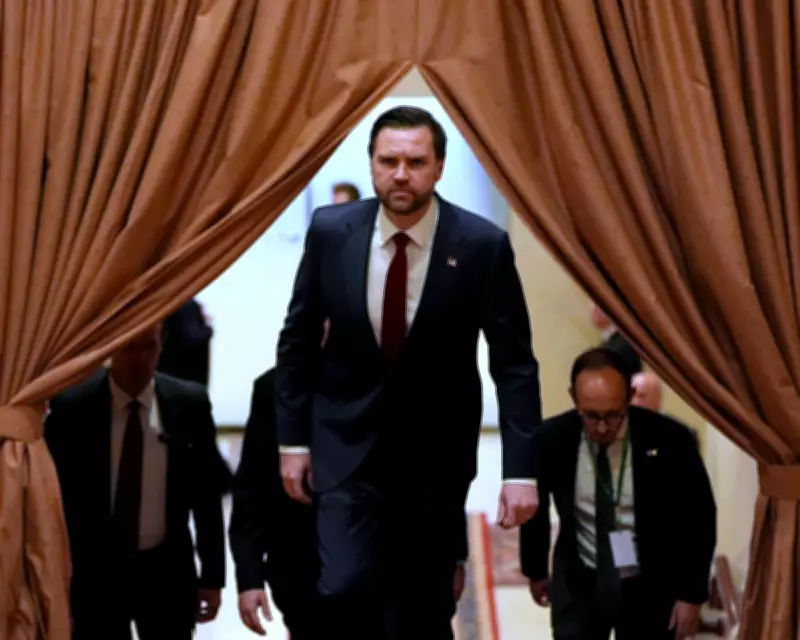
The United States and Iran engaged in a high-stakes diplomatic marathon in Islamabad, Pakistan, with both sides deploying massive delegations in a bid to tackle a decades-old dispute. The talks, lasting 21 hours, saw the US send Vice-President JD Vance along with nearly 300 officials, while Iran arrived with two planeloads of negotiators, including members of the Islamic Revolutionary Guard Corps (IRGC) to safeguard military gains.
Sheer Numbers Versus Limited Time
It was as if the sheer volume of negotiators flown into Pakistan could compensate for the limited timeframe available to settle a 20-year conflict over Iran's nuclear ambitions. This complex issue is now compounded by newer challenges, such as future control of the Strait of Hormuz and US demands for compensation following its attack on Iran. The Iranian team, led by figures like Ali Bagheri Kani and Abbas Araghchi, presented detailed technical documents, including a 100-page explanation on nuclear facility safety, showcasing their preparedness.
Communication and Missteps
During the talks, JD Vance maintained frequent communication with former President Donald Trump and even spoke with Israel's Benjamin Netanyahu, a move that Iran claimed hardened the US stance. However, expectations for a quick resolution were unrealistic, given that previous nuclear negotiations in Vienna spanned two years. Robert Malley, a veteran of Iran talks under Joe Biden, noted that 21 hours was insufficient for meaningful negotiation, while Aaron David Miller criticized the US for misreading the moment by expecting Iran to abandon enrichment so swiftly.

Diplomatic Tensions and Future Prospects
Vance's statement about seeking Iranian acceptance of US terms drew criticism from Iranian officials, including former foreign minister Javad Zarif, who accused the US of arrogance. The talks left unresolved fundamental issues: Israel's offensive in Lebanon, governance of the Strait of Hormuz, and the fate of Iran's enriched uranium stockpile. Pakistan, as mediator, urged continued diplomacy, but Israel's energy minister suggested military options remain viable.
Strategic Implications and Regional Dynamics
The Strait of Hormuz emerged as a critical point of contention, with Iran selectively allowing oil shipments, leveraging it as an economic weapon. However, this ad-hoc approach is unsustainable for global trade. Meanwhile, Iran faces internal crises, including soaring inflation and internet blackouts, threatening its stability. Despite these challenges, Iran views control of the strait as a strategic asset, complicating any potential agreement.
In summary, the Islamabad talks underscored the deep-seated divisions between the US and Iran, with little progress made on core issues. The marathon session highlighted the need for prolonged diplomacy, but with both sides entrenched in their positions, the path forward remains uncertain and fraught with regional tensions.