US and Iranian Officials Engage in Separate Talks with Pakistani Mediators
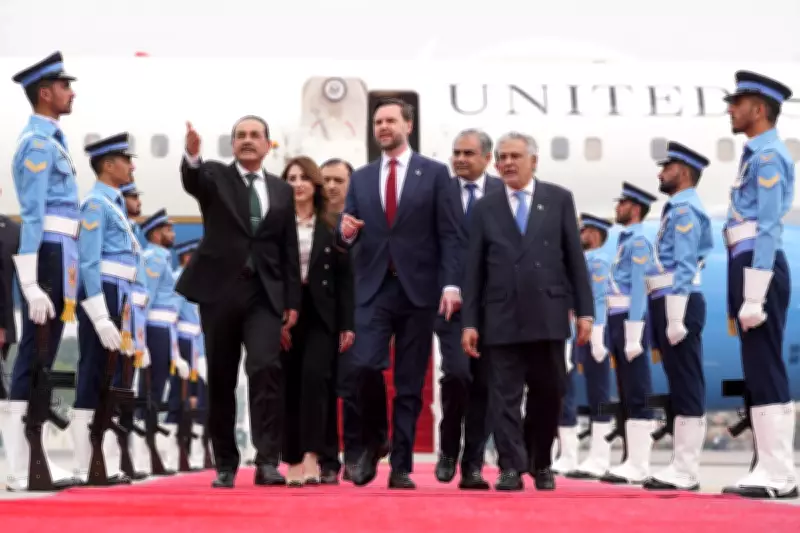
In a significant diplomatic development, officials from the United States and Iran have conducted separate discussions with Pakistani Prime Minister Shehbaz Sharif. These talks commenced on Saturday, 11 April 2026, against the backdrop of a delicate ceasefire and persistent hostilities in Lebanon. The meetings, held in Islamabad, saw no direct engagement between the American and Iranian delegations as of mid-afternoon, highlighting the deep-seated tensions that continue to define their relationship.
Delegations and Diplomatic Posturing
The US delegation was spearheaded by Vice President JD Vance, while the Iranian side was represented by Parliament Speaker Mohammad Bagher Qalibaf. According to statements from Prime Minister Sharif's office, both parties met individually with the Pakistani leader, who is acting as a mediator in these high-stakes negotiations. Iranian officials reinforced their position by presenting elements of their earlier proposal as non-negotiable red lines during their meeting with Sharif, as reported by Iranian state television.
Meanwhile, Israel has continued its military operations in Lebanon, conducting strikes that resulted in at least three fatalities on Saturday, according to Lebanese state-run news agencies. This ongoing violence complicates the ceasefire talks, as Iran has explicitly conditioned any negotiation progress on a cessation of fighting in Lebanon. The conflict has inflicted severe human and economic tolls, with casualties exceeding 3,000 in Iran, 1,953 in Lebanon, 23 in Israel, and more than a dozen in Gulf Arab states.

Economic and Strategic Stakes
The war has severely disrupted regional stability, largely isolating the Persian Gulf from the global economy. This disruption has triggered a surge in energy prices and caused extensive damage to infrastructure across multiple countries in the region. A critical point of contention remains the Strait of Hormuz, a vital maritime passage for global energy supplies. Iran's closure of the strait has proven to be a significant strategic advantage, reducing daily ship traffic from over 100 vessels to just 12 and driving Brent crude oil prices above $94, a 30% increase since the conflict began.
In Tehran, residents expressed a mix of skepticism and hope regarding the talks, following weeks of devastating airstrikes. Amir Razzai Far, a 62-year-old resident, emphasized that peace alone is insufficient, noting the substantial costs and recovery challenges ahead. The emotional and physical scars of the conflict underscore the urgency of these diplomatic efforts.
Competing Proposals and Preconditions
Ahead of the talks, both nations outlined starkly different proposals, reflecting the wide gulf in their positions. Iran's 10-point plan demands a guaranteed end to the war, no future attacks, the lifting of economic sanctions, control over the Strait of Hormuz, and a halt to Israeli strikes on Hezbollah, its Lebanese ally. In contrast, the US's 15-point proposal focuses on restricting Iran's nuclear program and reopening the strait, without addressing Iran's regional alliances in detail.
Diplomatic posturing was evident in the lead-up to the discussions. US President Donald Trump asserted on social media that Iranian officials "have no cards" to negotiate with, accusing Iran of using the Strait of Hormuz for extortion. He vowed to reopen the strait "with or without them." Conversely, Iranian Foreign Minister Abbas Araghchi, part of the delegation in Pakistan, cited "deep distrust" due to previous attacks during talks and warned of retaliation if Iran is targeted again.
Security Measures and Regional Dynamics
Islamabad was placed under tight security for the talks, with roads sealed and residents urged to stay indoors, transforming the normally bustling capital into a city resembling a curfew zone. This heightened security underscores the sensitivity of the negotiations. Additionally, parallel negotiations between Israel and Lebanon are scheduled to begin on Tuesday in Washington, as announced by Lebanese President Joseph Aoun's office. Israel aims for the Lebanese government to disarm Hezbollah, a demand complicated by the militant group's entrenched presence and Lebanon's limited military capacity.

The ceasefire's fragility is further threatened by Israel's insistence that it does not include a pause in fighting with Hezbollah, which joined the war in support of Iran. The day the truce was announced, Israeli airstrikes on Beirut killed over 300 people, marking the deadliest day in Lebanon since the conflict began on 28 February. As talks progress, the path to a sustainable peace remains fraught with challenges, from economic sanctions and strategic waterways to regional proxy conflicts and humanitarian crises.