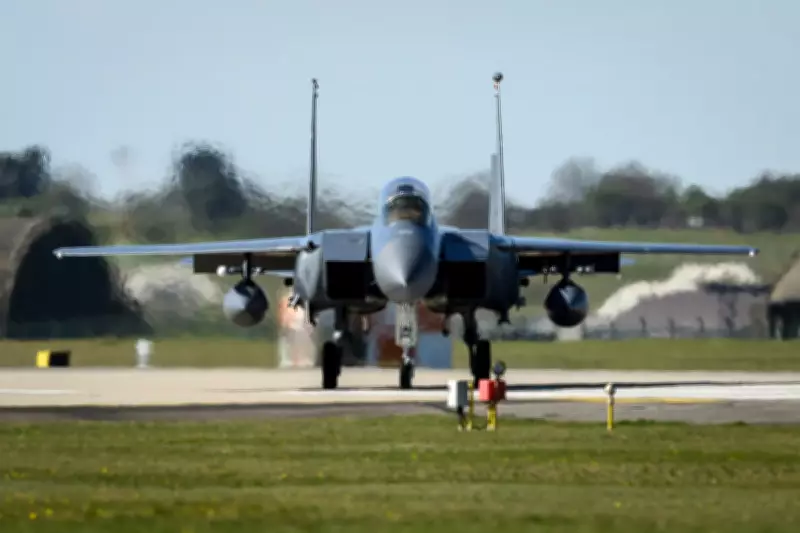
The United States administration has announced plans to significantly reduce its military contributions to NATO in Europe, following earlier threats to withdraw from the alliance entirely. According to a report, an envoy from the US defence secretary briefed NATO officials on Washington's intent to cut commitments to the NATO Force Model, affecting fighter jets, warships, submarines, and reconnaissance drones.
Proposed Reductions
Under the proposed changes, the US commitment for fighter jets would decrease by a third, fewer destroyers would be available, and no submarines would be provided. These cuts would mark a substantial shift in the US role within the alliance, which has long relied on American military might as a cornerstone of its defence strategy.
European Warnings and NATO Response
European intelligence agencies have warned of a potential Russian attack within the next few years. NATO chief Mark Rutte has stressed the need for allies to prepare for a large-scale conflict, urging increased defence spending and readiness. A NATO spokesperson acknowledged an 'over-reliance' on the US, suggesting that a reorganisation of military responsibilities is necessary as European and Canadian defence spending rises.

The proposed US reductions come at a time of heightened tension with Russia, following its invasion of Ukraine. NATO has been bolstering its eastern flank, but the US cuts could leave gaps in the alliance's capabilities. European nations are now under pressure to step up their own defence contributions to compensate for the diminished American presence.
The full impact of these changes remains to be seen, but they signal a fundamental shift in transatlantic security arrangements. The US has long been the dominant military power in NATO, and any reduction in its commitments could have far-reaching consequences for the alliance's ability to deter aggression.