Labour's Crypto Donation Ban: A First Step in Cleaning Up Party Funding
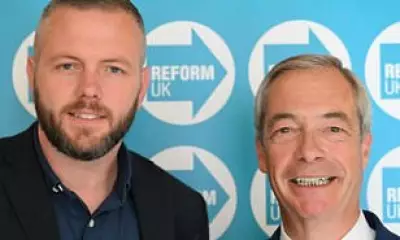
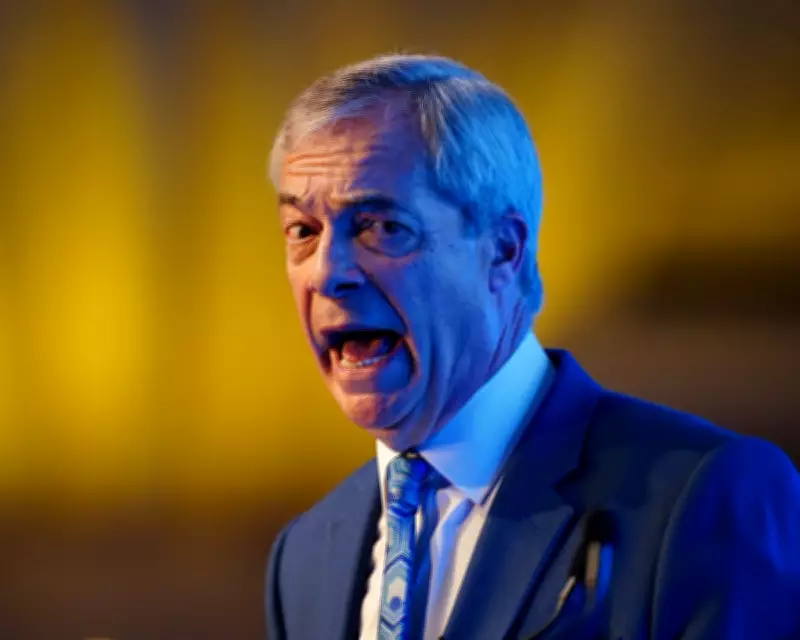
Reform UK leader Nigel Farage has criticised Labour's recent actions, stating they will prevent donations like the £12 million given to his party last year by Thailand-based crypto billionaire Christopher Harborne. This move is part of a broader effort to address concerns over foreign influence and opaque funding in British politics.
Immediate Measures and Ongoing Debates
The government has implemented an immediate ban on cryptocurrency donations to political parties, eliminating opportunities for dubious cash from mysterious sources to flow into the system. Additionally, donations from Britons living abroad have been capped at £100,000, though this amount remains significant for those seeking to influence tax-and-spend decisions without contributing UK taxes.
These actions follow recommendations from a report by Philip Rycroft, which highlighted severe warnings about interference from foreign actors such as Russia, Iran, China, and US billionaires aligned with Trumpworld. The report noted, for example, a sharp decline in aggressive commentary on Scottish independence during an Iranian internet blackout, suggesting external interests in destabilising the UK.

Steve Reed, whose departmental responsibilities include the constitution, announced the measures, emphasising a commitment to preventing malign overseas actors from funnelling dark money into politics. Prime Minister Keir Starmer reinforced this stance, promising decisive action to protect democracy.
Reactions and Calls for Further Reform
Many in politics have welcomed Labour's actions, particularly as they target donations like the £12 million from Harborne to Reform UK. The case of Reform politician Nathan Gill, jailed for taking Russian-linked bribes, has further exposed murky dealings in political funding.
However, Reform's deputy leader, Richard Tice, has stated that the party would reverse these rules if it came to power. This underscores the partisan divide on the issue, with some calling for stricter enforcement of broadcasting laws to ensure media outlets like GB News comply with regulations.
Democracy campaigners have praised the initial steps but argue that a comprehensive clean-up of political funding is necessary. Labour's manifesto pledged to strengthen donation rules, implying more robust reforms ahead. In the last election, a record £94.5 million was spent, much of it on social media influencing and sophisticated data systems targeting voters.
The Need for Systemic Change
Public cynicism is fueled by the perception that donations buy access and influence. Transparency International found in 2024 that £48.2 million came from donors alleged or proven to have secured privileged access, with 66% of private donations in 2023 originating from just 19 individuals. For instance, the Conservatives received £15 million from the Phoenix Partnership, owned by businessman Frank Hester, a company that has secured over £400 million in public contracts since 2016.
While the current bill addresses foreign donations, it does not prevent scenarios like a rumoured $100 million gift from Elon Musk to Reform UK if sourced from UK-generated profits. Campaigners advocate for donation ceilings, similar to those in countries like France, which caps individual donations at €7,500 annually, or Canada and Belgium, which impose limits. Some nations ban corporate donations altogether, a measure many argue is overdue in the UK.
Challenges and Proposed Solutions
Implementing such reforms would require sacrifices from all parties. Labour would need to reconsider trade union donations, limiting them to contributions from individual members. State funding for political parties, as seen in other democracies, might become necessary to ensure fair representation, though this could face public opposition, as evidenced by past campaigns against electoral reform.
Helena Kennedy's proposal, from a 2006 report for the Joseph Rowntree Charitable Trust, suggests allowing voters to allocate public funds to parties via a tick-box system at elections, democratising the funding process.

By championing clean politics, Labour could gain public trust and pressure defenders of the current system, which many view as increasingly corrupt. The crypto donation ban is a start, but broader reforms are essential to restore faith in UK democracy.