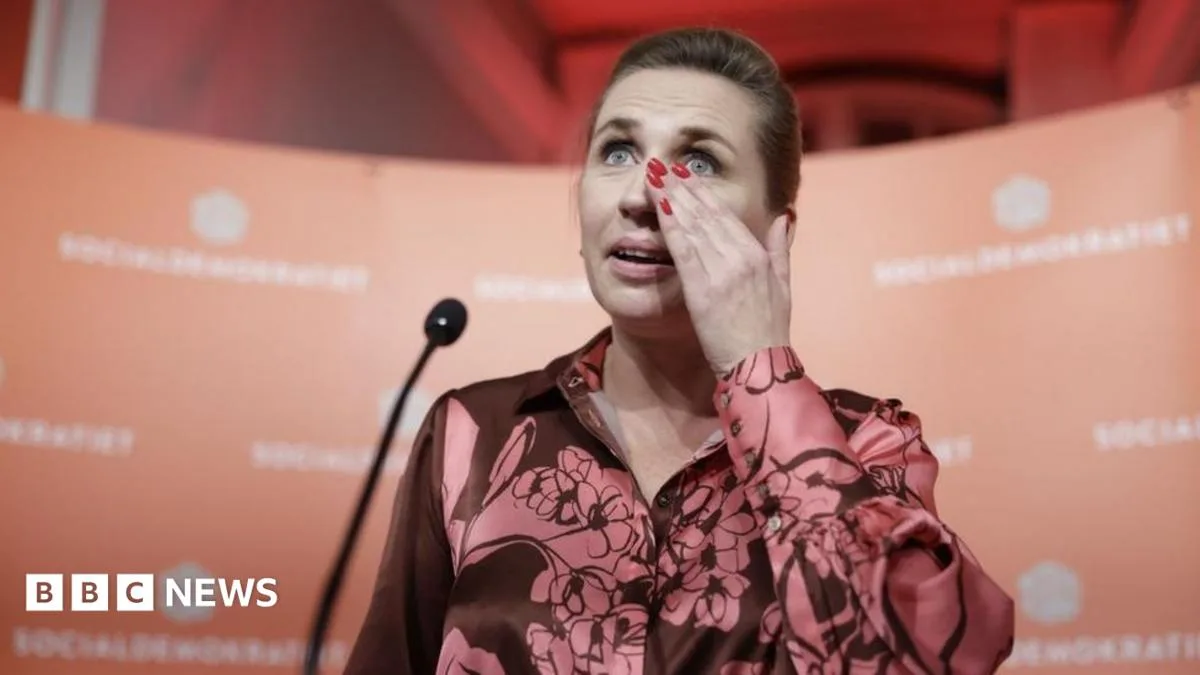
Denmark's centre-left coalition, led by Prime Minister Mette Frederiksen, has won the most votes in a general election seen as a test of her leadership. The 'red bloc' secured 87 seats in mainland Denmark, plus one seat in the Faroe Islands and a projected two in Greenland, giving it a total of 90 seats in the Folketinget—a one-seat majority.
Frederiksen's Social Democrats gained two seats, achieving their best result in over two decades with 27.5% of the vote. Despite the victory, Frederiksen has submitted the government's resignation to Queen Margrethe and initiated the 'queen's round' process to form a broader coalition. She stated, 'Social democracy had its best election in over 20 years,' and expressed a desire to reach out to the centre.
The election was called early in October after a critical report revealed that the government's 2020 order to cull up to 17 million mink had no legal basis. The cull was prompted by fears of a mutated coronavirus in mink. Although Frederiksen was not found to have known the order was illegal, the report strained her coalition, leading to the early vote.

The right-of-centre 'blue bloc', led by Jakob Ellemann-Jensen's Liberals, fell short of a majority. The newly formed Moderates party, led by former Prime Minister Lars Lokke Rasmussen, became the third-largest party but will not act as kingmaker. Frederiksen is widely expected to lead coalition talks, telling supporters, 'When the Social Democrats say something, it is something we follow through on.'