The Guardian view on Erdogan's tightening grip on Turkey: the next election is already being decided
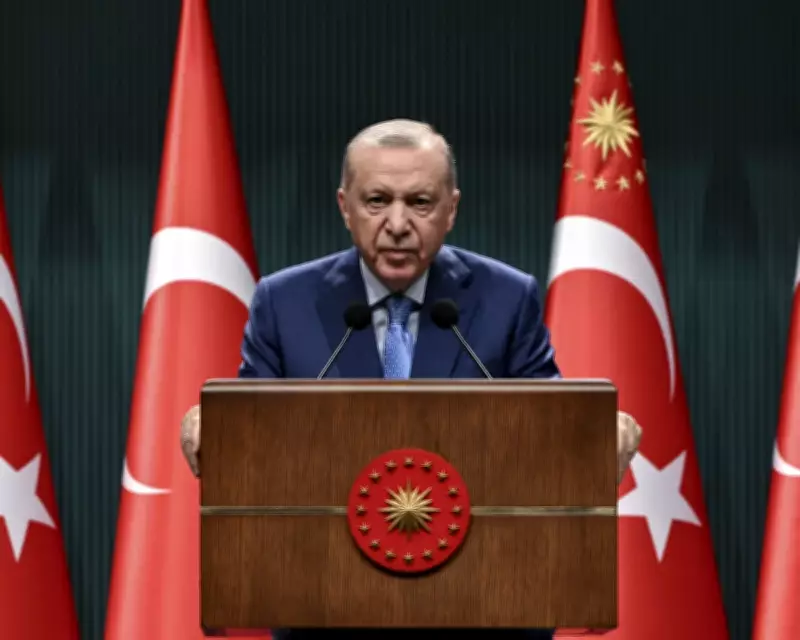
Turkey is hurtling towards a critical juncture, but the outcome of its next election may already be predetermined. President Recep Tayyip Erdogan's government has systematically dismantled the checks and balances that once made Turkish democracy a beacon in the Middle East. The opposition is muzzled, the media is controlled, and the judiciary is weaponised against dissent. The next election is not a contest of ideas but a foregone conclusion engineered by an increasingly autocratic regime.
Erosion of democratic institutions
The erosion of democratic institutions in Turkey has been gradual but relentless. Since the failed coup attempt in 2016, Erdogan has purged the civil service, academia, and the military of suspected opponents. Thousands of judges and prosecutors have been dismissed, replaced by loyalists. The constitution has been rewritten to concentrate power in the presidency, eliminating the prime minister role and weakening parliamentary oversight. The electoral board, once a respected institution, now bends to the will of the government, as seen in the annulment of Istanbul's mayoral election in 2019.

Media and opposition under siege
Independent media outlets have been shut down or taken over by pro-government conglomerates. Journalists are jailed on trumped-up charges of terrorism or insulting the president. The opposition Republican People's Party (CHP) and the pro-Kurdish Peoples' Democratic Party (HDP) face constant harassment, with many of their elected officials replaced by state-appointed trustees. The HDP, in particular, has been targeted as a scapegoat for the government's failures, with its leader Selahattin Demirtas imprisoned since 2016.
Economic mismanagement has fuelled inflation and unemployment, yet Erdogan's government blames external enemies and domestic traitors. The opposition's attempts to offer a credible alternative are stymied by a media blackout and a legal system that criminalises dissent. The next election, scheduled for 2028, is unlikely to be free or fair. Already, the government is passing laws that restrict campaigning, impose curbs on social media, and make it harder for new parties to compete.
International implications
The international community has largely looked the other way, prioritising geopolitical interests over democratic values. Turkey's role in NATO, its control over Syrian refugees, and its economic ties with the EU have given Erdogan leverage. But the erosion of democracy has consequences beyond Turkey's borders. A stable, democratic Turkey is essential for regional security, but the current trajectory points to further instability and repression.
The next election is not just about who will lead Turkey; it is about whether Turkish democracy can survive. Erdogan's grip tightens with each passing day, and the world must not remain silent. The fight for Turkey's future is being fought now, long before any ballot is cast.