A series of newly formed political entities seeking to contest the Victorian state election, including a website titled 'Refugees Are Welcome Here', could be part of a coordinated effort to channel preferences to One Nation and other conservative parties.
Connected Campaign Allegations
Guardian Australia’s analysis of domain records reveals that the 'Refugees Are Welcome Here' website shares an IP address with three other aspiring parties: 'Muslim Votes Matter', the 'Free Palestine party', and the 'Save the Environment party'. All four websites, created within days of each other, ask for 750 members to register—exceeding the Victorian Electoral Commission’s requirement of 500.
Rightwing activist Avi Yemini has claimed responsibility for the 'Free Palestine party', while anti-lockdown activist Monica Smit has acknowledged founding the 'Save the Environment party'. Yemini also first mentioned 'Muslim Votes Matter', which uses the same name as an existing advocacy group, drawing criticism for potentially misleading voters.

Technical Evidence
RMIT associate professor Mark Gregory noted that it is 'highly unusual' for multiple political parties to register simultaneously and host websites through the same provider. UNSW cybersecurity expert Hammond Pearce likened the shared infrastructure and similar design to 'finding a whole load of political flyers from different campaigns in the same person’s desk drawer'. The websites also feature cross-linking and identical wording.
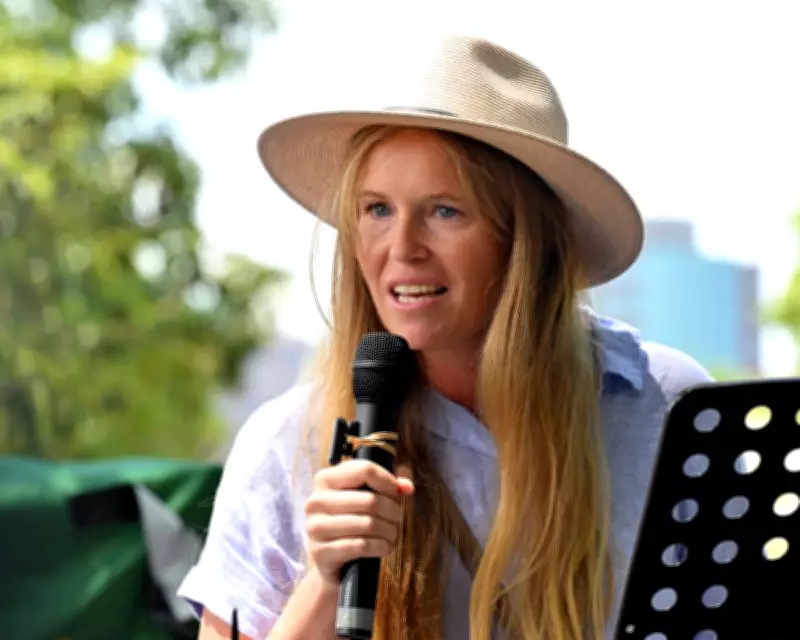
When asked about her involvement, Smit declined to confirm or deny creating the 'Refugees Are Welcome Here' site, stating the party has not yet launched. She asserted that each entity’s registered officer is responsible for preference arrangements but acknowledged that 'Save the Environment' would 'likely preference One Nation in most regions'.
Preference Harvesting
In social media videos, Yemini explained that the entities target different left-leaning voter blocs—climate, Palestine, and Muslim voters—but would ultimately direct preferences to One Nation and other conservatives. This tactic exploits Victoria’s group voting ticket (GVT) system, the only Australian jurisdiction still using it. Under GVTs, voters choose one party above the line, and if that party is eliminated, its preferences are allocated according to pre-arranged deals.
Political analyst Kevin Bonham described GVTs as 'not an adequately democratic system', enabling backroom deals that can elect candidates with minimal genuine support. He called the four parties among the most 'blatant examples' of such manipulation.
Smit countered that the parties highlight GVTs' flaws, stating, 'Preferences should be determined by voters themselves, not by backroom deals between parties.'
Response and Reform Calls
In response, a group called 'Free Palestine Party Australia' has launched to prevent Yemini’s party from claiming the name. As of Friday, it had 436 registrations and aims to reach 500 first. The Coalition, Greens, One Nation, and two parliamentary inquiries have called for scrapping GVTs. The Allan government has until August to legislate changes before the election.
Liberal MP Chris Crewther, deputy chair of an inquiry recommending abolition, said Yemini’s actions demonstrate 'how crazy the current system is and how easily it can be manipulated'. He added, 'Either such parties must be accepted … or ideally, the system should be abolished.'