Rachel Reeves has launched a rearguard action to save her job as chancellor, telling friends she would like to stay in the post even under a new prime minister. The chancellor’s supporters have been urging MPs to back her if Keir Starmer is replaced later this year, arguing she is the only candidate capable of safeguarding the country’s finances.
This backbench lobbying push occurs amid a broader jostle among Labour MPs for position as they prepare for the possibility that Andy Burnham wins the Makerfield byelection and subsequently replaces Starmer as prime minister. Reports have suggested Burnham is considering appointing Ed Miliband as chancellor if he reaches No 10. However, Reeves’ allies are warning that the energy secretary would not be trusted by bond markets, which determine the government’s borrowing costs.
One Labour MP close to the chancellor said: “I am concerned that we may lose everything if a new leader sacrifices the chancellor for promises and new alliances they are currently forging with MPs who fancy the job for themselves. The biggest fear for the bond markets and the unions is Ed Miliband.” Another added: “Rachel has been very candid with us about the need to carry on. A double change is not the right thing to do. With her credibility in the markets, if Rachel is given a clearer and slightly different direction she could provide the necessary assuredness to the markets. Ed Miliband wouldn’t be able to do that.” Spokespeople for Reeves and Miliband declined to comment.

A Week of Relative Success
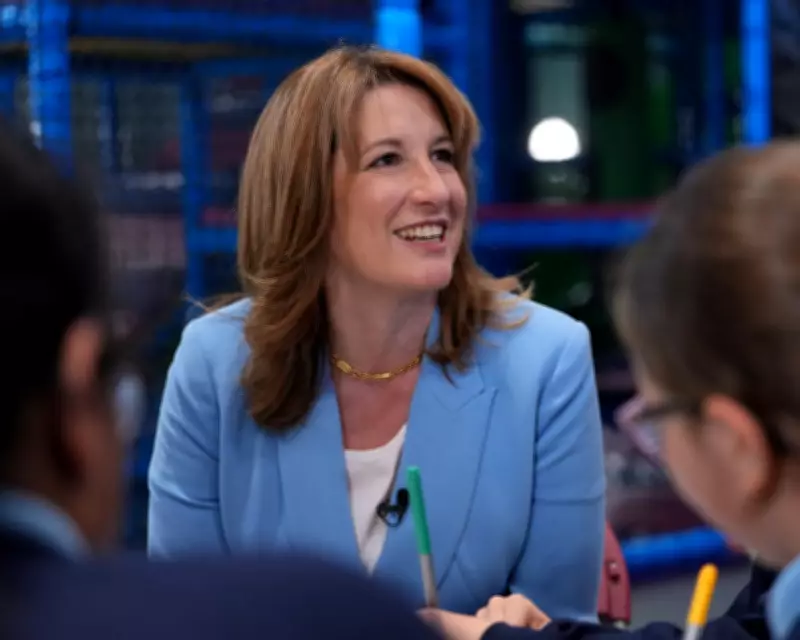
Against the backdrop of Labour party tumult, with Burnham having launched his Makerfield campaign on a pledge to challenge Starmer’s leadership, Reeves has enjoyed one of her better weeks in office. On Monday, the International Monetary Fund increased its UK growth forecast, predicting 1% growth this year rather than 0.8%. On Wednesday, inflation fell to 2.8%, faster than economists had expected. The same day, the prime minister announced the postponement of the planned fuel duty rise, a policy the chancellor had been working on for weeks. On Thursday, Reeves unveiled the final pieces of her cost-of-living plan, including a surprise VAT cut on family attractions like soft play centres and theme parks for the summer.
In the Treasury, officials were delighted that the “Great British Summer Savings” plan led news bulletins all afternoon and had not been leaked. They had codenamed the proposed VAT cut “Project Mint” to ensure secrecy. However, Reeves still faces serious headwinds. Besides the likelihood that Burnham would seek a clean break with the Starmer government in senior roles, she has struggled to convince MPs or the public she can overcome new economic challenges posed by the Iran war. On Friday, figures showed government borrowing exceeded expectations last month.
Punchy Personal Appearances
Alongside economic and policy news, Reeves has made several punchy personal appearances. On Wednesday, she publicly hit back at a Reform UK supporter who interrupted an interview to shout abuse about Starmer and Labour. “I love our country, and one of the things about our country is good manners,” she called after him. “Not very British.” Her bullish attitude continued that evening when she hosted a reception for about 60 MPs at No 11, striking a defiant note despite a public row with supermarket bosses over voluntary price caps. “If they think that it is a good strategy to go out on the telly and the radio saying that there’s nothing that they can do and it’s outrageous that the government is asking for them to help families, they’re doing our comms for us,” she joked, according to one attendee.

Supporters and Critics
Reeves’ friends insist she is the only person who can keep borrowing costs down long-term due to her proven commitment to fiscal responsibility. “There is, in my view, real value in consistency and predictability at the Treasury,” said one. Some analysts say the chancellor is now reaping rewards for her refusal to change borrowing rules earlier, though others believe she remains too timid on the cost of living. “Some of the unpopular things the chancellor did early on in the parliament to put the country on the right fiscal track have proved to be a better bet than people thought,” said Harry Quilter-Pinner of the Institute for Public Policy Research. “But if progressives are going to deal with the anger that people across the country feel, we are going to have to do some bigger things, whether that is by freezing rents or unveiling a bigger intervention in the energy markets.”
However, some Labour MPs have been infuriated by what they see as Reeves’ open lobbying to remain in her job, blaming her for many of Starmer’s mistakes, such as cutting winter fuel payments or attempting to reduce disability benefits. Others are angered by the argument that only she can calm bond markets. “Every single one of us understands how important credibility is with the bond markets,” said one Labour MP. “We all signed up to a manifesto with the fiscal rules at their core.”
The Burnham Factor
Although Burnham has not commented on who would be his chancellor if he wins Makerfield and succeeds Starmer, Labour MPs believe Miliband and Reeves would be top of his list. While Miliband has prioritised the green transition throughout his career, Reeves has focused more on taxpayer costs. The two clashed when Starmer and Reeves slashed Labour’s planned green energy scheme while in opposition. “The two may have served in the same cabinet and been close in the past, but they have very different instincts,” said one Labour insider. “The fight over who gets to be chancellor is almost as important as that for prime minister.”