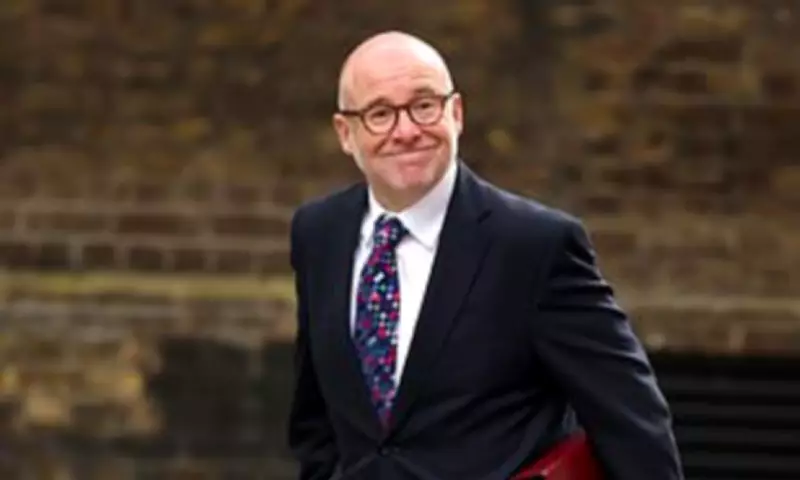
Sir Keir Starmer will today send his top legal adviser to cosy up to European human rights chiefs and reassure them Britain is committed to the bloc's controversial treaty. Despite the growing threat of his premiership collapsing after Wes Streeting's resignation, the PM asked Attorney General Lord Hermer to travel to a summit in Moldova and prioritise talks over the future of the European Convention on Human Rights (ECHR).
Growing Rebellion Against ECHR
Nearly 30 of the ECHR's 46 members are expected to sign a declaration aimed at limiting the treaty's power amid a growing rebellion. The group of 27 nations, led by Denmark and Italy, hope it will make it easier to boot out illegal migrants 'abusing' rights laws to avoid deportation. While the UK is planning to sign it after belatedly joining the group, Whitehall sources said Lord Hermer will be there to ensure Britain does not breach its 'international obligations'.
Starmer's Stance on ECHR Reform
In December - six months after Denmark and Italy initially sparked calls for changes - Sir Keir jumped on the bandwagon by saying the ECHR needed modernising so nations could protect their borders and see off the rise of Right-wing parties. But both the Tories and Reform say this does not go far enough because the ECHR is not interested in meaningful reform or rewriting the treaty. Lord Hermer's attendance today suggests that whatever is agreed it will be business as usual.

Lord Hermer has a background as a human rights lawyer and his previous clients have included jihadi bride Shamima Begum, former Sinn Fein leader Gerry Adams and 9/11 terror attack plotter Mustafa al-Hawsawi. The Attorney General will also ensure the rights of illegal arrivals are protected and help reassure European leaders that Britain is committed to the treaty. He will accompany Foreign Secretary Yvette Cooper.
Criticism from Tories and Reform
Because of his background as a human rights lawyer, Lord Hermer has previously been accused of having a 'maximalist' and 'activist' approach to human rights which favours Britain's foes. Tory leader Kemi Badenoch has previously questioned whether he believes 'in our country and everything we stand for'. By contrast, the Tories and Reform UK, which Labour haemorrhaged support to in last week's local elections, have said they would leave the bloc's human rights treaty if they win the next election.
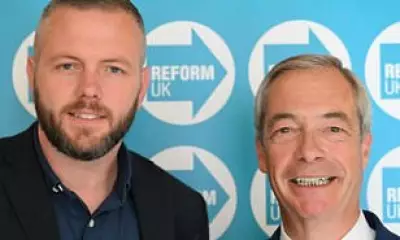
Robert Jenrick, a former Tory immigration minister who defected to Reform, said: 'Even in his dying days, Starmer is still trying to prop up broken human rights conventions. Attempts to reform the ECHR are as doomed as David Cameron's attempt to reform the EU. It's either leave or remain. The only way to secure our borders and deport the thousands of foreign criminals in our country is to quit and make these decisions in our own Parliament.' Michael Ellis, a former Tory Attorney General, added: 'This is just window dressing and will not make any difference. Instead of recognising that the ECHR has helped push Europe towards disastrous uncontrolled immigration, Sir Keir Starmer shows again how out of touch he is. The only hope of bringing UK immigration under control is to leave the ECHR.'
Summit Details and Reactions
It comes after the number of small boat Channel migrant arrivals last week surged past 200,000 since records began eight years ago. However, just 7,612 have been removed. Critics say arrivals often launch spurious human rights claims to avoid deportation. It is understood today's summit of members of the Council of Europe (CoE), the guardian of the ECHR and a separate organisation to the European Union which the UK remains a member of, will not result in the treaty's text being changed. The declaration will instead aim to restrict the ECHR's Article 8, which protects the right to family life, and Article 3, the ban on inhumane treatment.
The 27 countries calling for an overhaul want the articles 'constrained to the most serious issues' so that nations can take 'proportionate' moves to deport illegals and foreign criminals. But critics point out that getting 46 members to agree on the same wording is difficult and that whatever deal is struck will likely be vague and make little difference. Germany and France, which carry a lot of clout, are not among the 27 countries calling for reform.

Ahead of today's summit in the Moldovan capital Chisinău, Council of Europe boss Alain Berset claimed Britain would be like Russia if it quits the ECHR. Speaking to the Politico website after talks with Sir Keir in Downing Street last week, he said: 'It is absolutely possible to leave the convention. Your decision. But what would it mean? It would create a new group of European countries not members of the Council of Europe and not implementing the Convention: Russia, Belarus and the UK. That would be the consequence.'