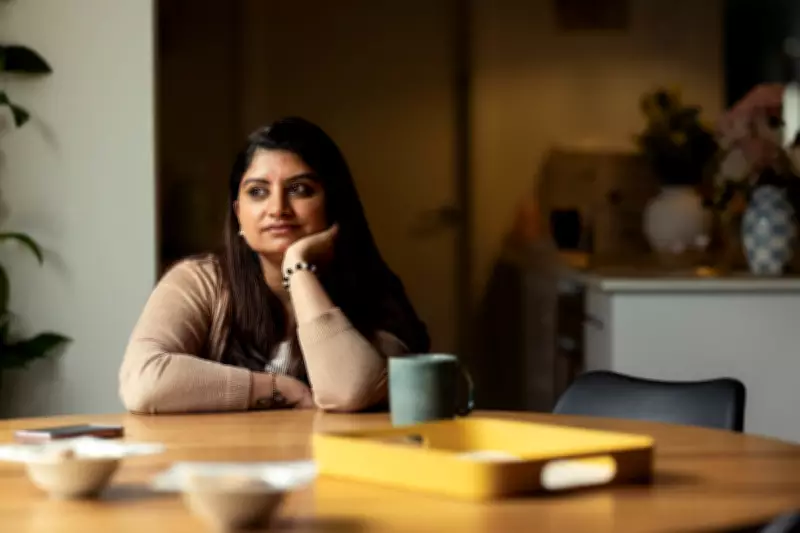
Deepa Chaudhary moved to Australia from India four years ago and worked until her baby was born in January last year. Now, as a permanent resident, she faces an impossible choice due to opposition leader Angus Taylor's claim that welfare should be a privilege of citizenship.
When Chaudhary's newborn slept, she searched for support available to permanent residents. The answer was limited. Despite working and paying taxes, she did not meet the residency test for maternity payment. She now receives the Family Tax Benefit but describes the stress and mental health challenges of being a new mother without adequate support.
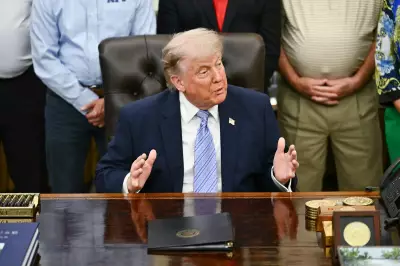
In his budget reply speech, Taylor stated people get welfare 'as soon as they arrive' in Australia. However, refugees, international students, temporary visa holders, and permanent residents face varying waiting periods for government assistance. For example, there is a four-year wait for parenting payment and ten years for disability support.

Violet Roumeliotis, chief executive of Settlement Services International, said Taylor's proposal would exclude people living, working, and paying taxes in Australia from accessing supports they help fund. Permanent residents already face waiting periods of up to four years for many social security payments.
Chaudhary says surviving the wait is hard enough, let alone obtaining citizenship. Her husband works multiple jobs to pay bills, leaving little support for her. Taylor used the phrase 'mass migration' three times in his speech, pledging to slash immigration and strip non-citizens' access to supports including the NDIS, jobseeker, youth allowance, and Family Tax Benefit.
Barnaby Joyce, former Nationals leader, thanked the Coalition for following the One Nation script. About one in three Australians were born overseas. To become a citizen, most must be permanent residents for four years, with application processing taking over a year.
Two of Australia's largest immigrant groups are from China (732,000 people) and India (over 970,000 people), neither allowing dual citizenship. Indians can obtain overseas citizen registration, but migrants must give up homeland citizenship, complicating visits to family and potentially losing property, investments, and pensions.
Chaudhary says giving up Indian citizenship would be an emotional and economic blow. She has roots, parents, and ancestral property there. Taylor told the ABC that permanent residents are not forced to give up anything; if they want privileges of citizenship, they need to become citizens. He emphasised changes would not affect current support recipients.
The Asylum Seeker Resource Centre called Taylor's speech disgraceful, accusing him of lying about non-citizens receiving welfare upon arrival and demonising migrants.
Eric Ma came from China to study in 2010 and became a permanent resident. After losing Chinese citizenship, he must apply for a visa to visit parents. He became an Australian citizen last year and now works in the legal sector with injured workers, recognising the necessity of programs like the NDIS. He says politicians across the spectrum need to see migrants as humans and acknowledge their contributions.
The Chinese Community Council of Australia noted the move amid increasingly negative rhetoric about migration, unfairly blaming migrants. The Australian Council on Social Services stated permanent residents already wait four years for jobseeker and parenting payment, and ten years for disability support and aged pension. People seeking asylum are often denied work rights and left destitute.
Anneke van Mosseveld arrived from the Netherlands in 1971. Now 79, she spent decades as an academic and business owner. The Netherlands does not allow dual citizenship, meaning she would lose her Dutch government pension, which is not means-tested. As a permanent resident, she lacks an Australian passport and cannot use some ATO online functions.
Taylor faced criticism from within his party. Senator Andrew McLachlan expressed deep concerns that the policy would create two types of community members, with some entitled to benefits and others not, which he said was not the Australian way.