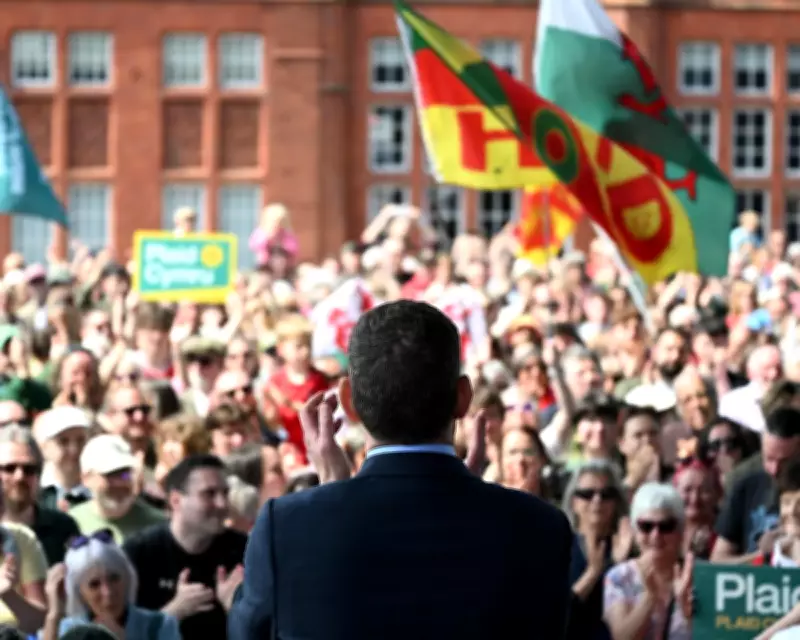
Wales has experienced a seismic political shift, with Plaid Cymru securing a historic victory in the 2026 Senedd elections. The party, long committed to Welsh independence, won 43 seats, making it the largest party and poised to form the next Welsh government. This marks the first time in over a century that Welsh Labour is not the dominant force, dropping to third place behind Reform UK.
Historic Victory on the Senedd Steps
On Saturday, Plaid Cymru leader Rhun ap Iorwerth addressed supporters and media on the steps of the Senedd in Cardiff. The atmosphere was electric, with supporters singing the Welsh national anthem, Hen Wlad Fy Nhadau. For the first time since the party's founding over 100 years ago, it will lead Wales, and for the first time ever, the country's highest political office will be held by a party seeking independence from the United Kingdom.
Labour's Decline and Reform's Mixed Results
Welsh Labour, often described as being born in Wales' industrial heartlands, suffered its worst result in a century, securing only nine seats. Reform UK, led by Nigel Farage, won 34 seats on 29% of the vote, far short of its aim to be the largest party. Farage's absence from Wales on results day highlighted the party's disappointment, despite gains in England.

The result underscores Reform's struggle to tolerate perceived failure. With over 70% of Welsh voters not backing the party, its claim to be the voice of the people is weakened. However, the party will benefit from substantial resources, including salaries and staff for its MSs, bolstering its platform for the 2029 general election.
Plaid Cymru's Demands and UK Labour's Dilemma
Plaid Cymru's 100-day plan includes immediate negotiations with the UK government for devolution of rail, justice, and the Crown Estate, similar to Scotland's powers, along with fair rail funding and changes to the Barnett formula. These policies echo those of former Welsh Labour leader Eluned Morgan, who failed to secure them from Westminster.
Ap Iorwerth intends to take a more confrontational approach, publicly pressuring the UK government. This puts Prime Minister Keir Starmer in a difficult position: conceding to Plaid would hand the party a victory denied to Labour, while refusing could fuel perceptions that Westminster neglects Wales.
Electoral Mandates and Democratic Deficit
Plaid Cymru's 35.4% vote share is larger than Starmer's 33.7% in the 2024 UK general election. Yet under the first-past-the-post system, Labour won 63% of Westminster seats, while Plaid's 45% of Senedd seats under proportional representation is more defensible. This democratic deficit risks deepening resentment in Wales.
The election marks a fundamental change in Welsh politics, with voters turning away from the traditional red rosette. The message is clear: the status quo is no longer acceptable. UK Labour must decide whether to help shape the change or be consumed by it.