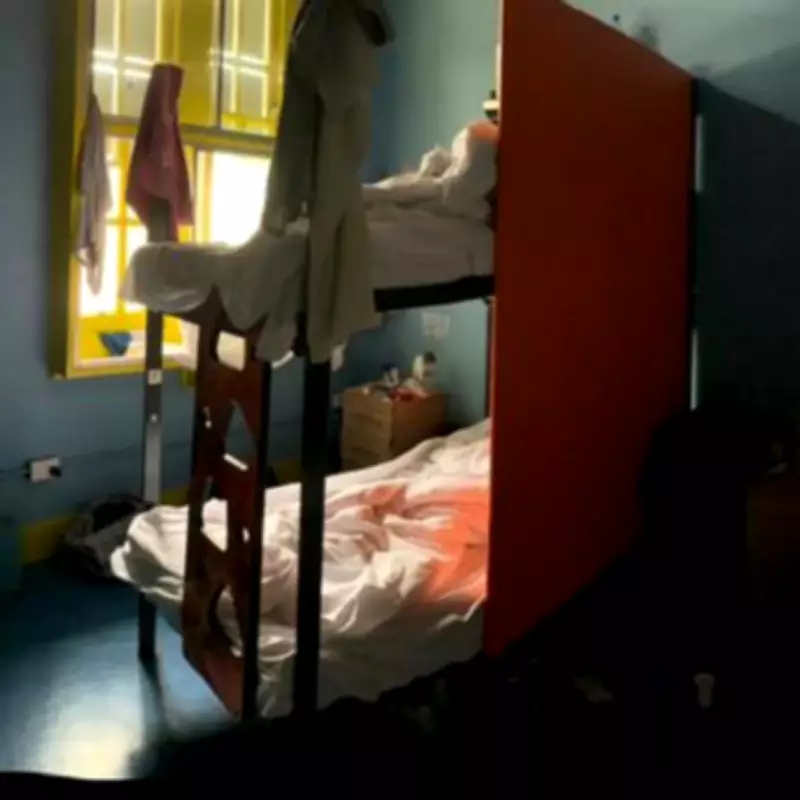
A significant study has concluded that savings from closing asylum hotels must be reinvested into affected communities to alleviate tensions. The report, shared exclusively with The Mirror, warns that these hotels have become a highly visible symbol of unfairness, with unrest spilling into violence over the past two years.
Study Highlights Community Concerns
The research, conducted by the Institute for Public Policy Research (IPPR), is based on conversations with residents in six areas that experienced riots or protests. It found that while most people are not opposed to asylum seekers, the accommodation system has become a flashpoint. Dr Lucy Mort, the lead researcher, told The Mirror: 'From the media, you would assume everyone virulently hates asylum seekers. But many people hold more balanced views. Asylum hotels are problematic because they often appear in areas where locals are already struggling with declining high streets, rising costs, and other pressures.'
Call for a Community Dividend
The IPPR urges the Government to offer a dividend to communities that have hosted asylum hotels. It also calls on Prime Minister Keir Starmer to revive a Gordon Brown-era fund designed to support areas with high migrant inflows. Dr Mort suggested reinstating the Migration Impact Fund, a £35 million pot introduced in 2009 but scrapped by the coalition Government, to provide English language support and integration programmes. 'Communities need to see a tangible benefit for hosting these hotels, not just a sense of loss,' she added.

Communication Failures Fuel Misinformation
The report emphasises that poor communication about asylum accommodation allows rumours and misinformation to spread. Focus groups in Liverpool, Plymouth, Hillingdon, Derby, Tamworth, and Wakefield revealed that residents often feel uninformed and unconsulted. One respondent in Tamworth remarked: 'If you put asylum seekers in the centre of a tinderbox community, you might as well put a target on it.'
Government Pledges to Close Hotels
The Government has committed to closing all remaining asylum hotels by 2029, down from a peak of 400 to around 185 in April this year. Mr Starmer wants to accelerate this process, potentially expanding the use of military sites. The IPPR supports faster closures but stresses the need for temporary accommodation for both asylum seekers and local residents.
Mark Curl, 65, from Hillingdon, who has experienced homelessness, told The Mirror: 'People think asylum seekers live in luxury with room service, but they don't. It feels like no one is listening, and it's not fair.' Marley Morris, IPPR associate director for migration, trade and communities, concluded: 'To reduce tensions, we must transform the asylum system. That means moving away from hotels and investing in community-based housing that benefits everyone.'