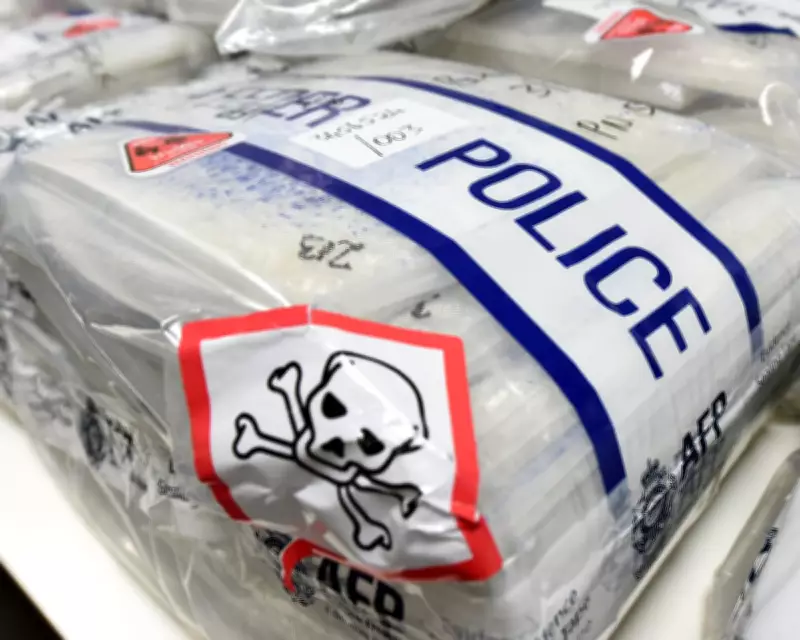
Methamphetamine use in Australia has almost doubled in the past decade, with stimulants being consumed at record highs, according to new wastewater monitoring data released by the Australian Criminal Intelligence Commission (Acic).
Record Highs for Crystal Meth and Cocaine
The latest annual report, based on wastewater samples from 64 treatment plants across the country between August 2024 and 2025, found that consumption of crystal meth, also known as ice, reached its highest recorded level since the program began in 2016. The estimated amount consumed rose from 8,405kg to 15,971kg, exceeding previous annual averages in both capital cities and regional areas. Australia now ranks as the second-highest consumer of meth globally, trailing only the United States, according to the Sewage Core Group Europe (Score), which oversees international wastewater testing standards.
Cocaine consumption also hit record highs nationally, with 7,985kg used in 2024-25, alongside ketamine. Heroin consumption reached record levels in cities.

National Response Needed
Acic Chief Executive Heather Cook described the findings as a stark indicator of persistent, elevated demand for major drugs across jurisdictions. She highlighted clear signals of emerging substances entering the Australian market, including synthetic opioids. Cook stressed that these figures represent real harm and real consequences playing out in hospitals, homes, and communities across the country, reinforcing the need for sustained, coordinated national responses.
In the year to August 2025, total estimated consumption of meth, cocaine, MDMA, and heroin increased by a record 26.8kg, a 21% rise on the previous year. The largest annual increases were for meth (23%), heroin (23%), and cocaine (20%). The total market value of these four major illicit drugs increased from $11.5bn in 2023-24 to a record $14.3bn, with meth accounting for 77% of total expenditure.
Global and Regional Trends
When comparing average doses per 1,000 people per day, Australia was the fifth-highest global consumer of meth, cocaine, MDMA, and heroin, behind the US, Chile, Belgium, and the Netherlands. While cannabis remained Australia's most consumed illicit drug, its usage decreased nationally between 2024 and 2025.
Cook noted that the report serves as a stark reminder that Australia remains a lucrative target for transnational crime, with record levels of cocaine and meth cultivation and manufacturing worldwide, particularly in the Americas and Southeast Asia, which almost exclusively supplies Australia's heroin market.
Regional areas continued to consume meth, cannabis, and oxycodone at higher levels than capital cities, while cocaine, heroin, and ketamine use was consistently higher in urban areas. Sydney recorded the highest ketamine use of any area. Tasmania saw the largest annual increase in meth use (38%), followed by the Northern Territory (36%) and the Australian Capital Territory (30%). Cocaine use rose by 36% in the NT and 33% in Western Australia. The largest annual spikes were for heroin use in the NT (50%) and MDMA use in New South Wales (49%).
Nicotine use increased by 4% nationally in the year to August 2025, while alcohol consumption increased in regions but decreased in capital cities.
For free and confidential advice about alcohol and other drug treatment services, call the National Alcohol and Other Drug Hotline on 1800 250 015 or access free 24/7 drug and alcohol counselling online. For information about drug and alcohol addiction treatment or support, visit the Turning Point website.