Border Patrol Abandonment of Blind Refugee in Buffalo Leads to Fatal Outcome
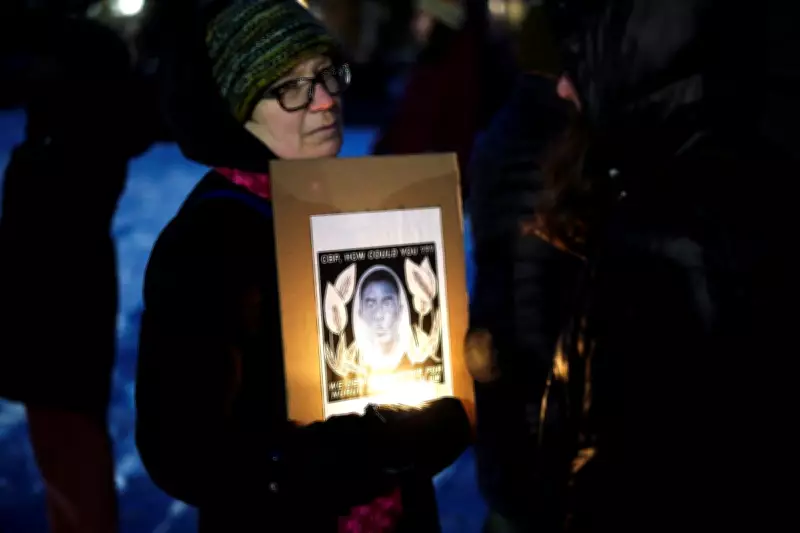
The tragic death of Nurul Amin Shah Alam, a 56-year-old Rohingya refugee from Myanmar, has ignited fury and demands for accountability in Buffalo, New York. Shah Alam, who was nearly blind and spoke minimal English, died on the street after being abandoned by US Border Patrol agents outside a closed Tim Horton's coffee shop during punishing winter weather.
A Fatal Sequence of Failures
Surveillance footage reveals a white van dropping Shah Alam in a shopping center parking lot after 8 p.m. on February 19, more than an hour after the coffee shop had closed. He was not wearing shoes, only the orange booties issued by the Erie County Holding Center where he had been detained. Cameras never showed him entering the shop, and he wasn't seen again until five days later when a woman reported his body on a street more than five miles away.
Shah Alam's case has shocked Buffalo's Rohingya community and outraged residents, highlighting systemic failures in the treatment of vulnerable immigrants. The timeline of events raises critical questions about cooperation between local law enforcement and federal immigration authorities, who failed to notify his family of his release.

From Refugee to Fatal Encounter
Shah Alam arrived in the United States as a refugee in December 2024 with his wife and two sons. Two months later, on February 15, 2025, he wandered into a backyard in Buffalo's Riverside neighborhood after mistakenly entering private property while carrying a curtain rod. Body-worn camera footage shows Buffalo police shouting commands, threatening to Taser him, and ultimately firing their weapons when he appeared to raise the rod defensively.
Once on the ground, an officer called Shah Alam a "f****** a******" and punched him in the head. He was arrested and later indicted for felony assault, burglary, and criminal mischief charges, remaining in jail for over a year. His bail was initially set at $25,000 but was later reduced to $5,000.
Legal Proceedings and Immigration Confusion
Earlier this month, Shah Alam pleaded guilty to reduced charges of criminal possession of a weapon and criminal trespass. His sentencing was scheduled for March 24. District Attorney Michael J. Keane stated his decision considered Shah Alam's medical condition, time served, and the "significant collateral consequences that would result from a felony conviction — including mandatory deportation."
However, his guilty plea did not make him eligible for ICE detention or removal. On February 19, sheriff's deputies handed him over to Customs and Border Protection officers. Border Patrol agents quickly realized he wasn't deportable and instead offered him a "courtesy ride" to Tim Horton's, which they described as "a warm, safe location near his last known address." The agency claimed he showed no signs of distress or disabilities requiring special assistance.
Missing Persons Investigation and Tragic Discovery
Shah Alam's family was never contacted about his release. His Legal Aid Bureau attorney, Benjamin Macaluso, filed a missing persons report on February 22. Police mistakenly closed the case after believing he was in federal custody, then corrected the error four hours later. A missing person poster was issued on social media, and police canvassed hospitals and shelters.
On February 25, a woman called 911 to report an unresponsive man wearing a dark parka and khaki pants. She noted he had been moving three hours earlier but was no longer breathing when she passed by again. Emergency responders pronounced him dead after administering chest compressions and Narcan. Shah Alam was found more than five miles from where Border Patrol left him.
Demands for Accountability
New York Attorney General Letitia James is reviewing legal options, while members of Congress are demanding investigations. The medical examiner has not yet determined the cause or manner of death, describing it as "health related in nature." Community members buried Shah Alam two days after his body was discovered.

This case underscores profound failures in protecting vulnerable individuals within the immigration and justice systems. Advocates and elected officials continue to press for answers, seeking to prevent similar tragedies in the future.