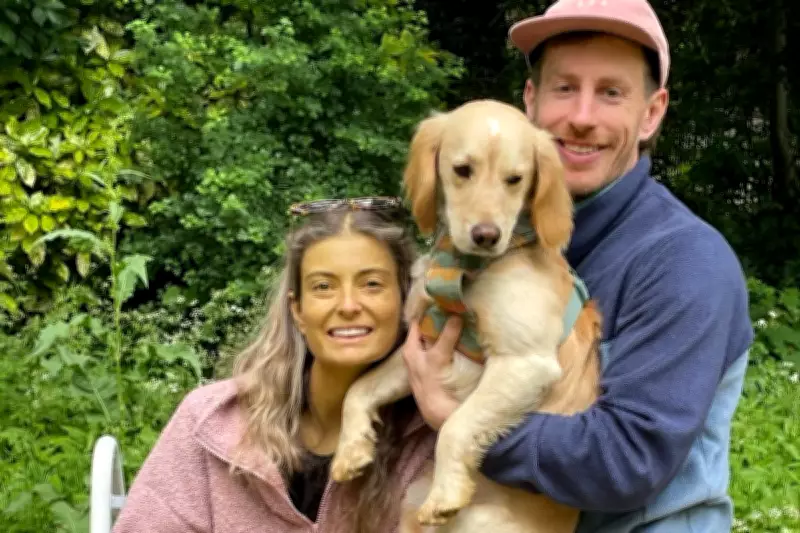
A woman diagnosed with a rare form of liver cancer has been compelled to seek treatment in Turkey for a life-saving liver transplant after being refused the operation on the NHS.
Diagnosis and Initial Struggles
Flo Moffat-Charles, a 31-year-old resident of Kendal in Cumbria, was diagnosed with Primary Sclerosing Cholangitis (PSC) in January 2024. She had initially attributed her fatigue, itchy skin, and nausea to eczema and a demanding work schedule. PSC, which affects approximately one in 10,000 people in the UK, also carries an elevated risk of developing liver and bile duct cancer.
Last year, Flo received a further diagnosis of Cholangiocarcinoma, a rare and aggressive bile duct cancer. A liver transplant is considered the only potential curative treatment, but due to the cancer's location, NHS specialists deemed the transplant too risky, ruling out the possibility of surgery within the UK.

Seeking Treatment Abroad
Determined to maximise her chances of survival, Flo and her husband, Josh Moffat-Charles, 32, decided to pursue treatment in Turkey, with Josh potentially acting as a living donor. However, the procedure carries a substantial cost of £200,000.
“We're not willing to just sort of roll over and take what's available to us here,” Josh told the Independent. “Without a transplant, the only option left here in the UK will be palliative treatment. With a transplant, she could gain everything. More life, more adventures and more time with those who love her. A future,” he said.
Flo added: “I wish that this was a surgery that I could have in the UK around my family, friends nearby, just being on home ground. It naturally puts your mind at ease, but having gone out to Turkey already and seeing the hospital and meeting the surgeon, I do feel very safe there as well.”
No Cure for PSC
There is currently no cure or treatment for PSC; only medication to manage symptoms is available. Flo was informed that she would eventually require a liver transplant. While undergoing tests for a transplant in January 2025 at University College Hospital London (UCLH), a specialist discovered cancerous cells in her bile ducts and tumours, leading to the diagnosis of Cholangiocarcinoma, which has a five-year survival rate of just 6 to 9 per cent.
“Unfortunately from that point, the route we were going down looking at transplant there was suddenly a non-option because we had to deal with the cancer,” Flo said.
Chemotherapy and Transplant Denial
Flo underwent chemotherapy for the following year, but by May this year, despite scans showing no cancer progression, she remained ineligible for a transplant on the NHS. She explained that the NHS must weigh the benefits and risks of a liver transplant, and there is an “apprehension” about performing a transplant on a patient with cancer and PSC due to fears of the cancer spreading. It is also suggested that a transplant patient in recovery would struggle to undergo chemotherapy simultaneously.
“I could only focus on what was in front of me. I must have been on autopilot, because I probably didn't take in quite how big this was, and I perhaps still had a blind optimism,” Flo said.
Fundraising and Donor Options
The couple decided to seek treatment abroad and settled on a hospital in Turkey, launching a fundraiser to help cover the costs. Josh is a potential live donor, but there are added complications with his liver that may increase surgical risks. The couple is now considering their options and looking for another donor.
Flo suggested that the restrictive guidelines around transplants have “been a hurdle” and called for “greater flexibility” for certain cancers if the patient is showing progress. “I've been responding well to treatment in that it's keeping me stable and actually right now I feel the strongest and most well that I've felt in a long time,” she said.

Charity and NHS Responses
AMMF, a charity specialising in cholangiocarcinoma, noted that people with the cancer can have successful transplants in “rigorously selected patients when performed in highly specialised centres.” Helen Morement, Chief Executive of AMMF, said: “Transplantation surgery for those with PSC who go on to develop cholangiocarcinoma is very new here in the UK and is following a strict eligibility protocol that’s in line with most international guidelines to ensure that evidence can be built around its effectiveness.”
“All of us at AMMF are deeply concerned to learn that Florence and her husband are having to look to Turkey to secure the surgery she needs. Our ‘Rethink Liver Cancer’ campaign is highlighting the need for a network of centres of expertise for cholangiocarcinoma within the NHS to encourage earlier diagnosis of this cancer and improve access to all possible treatments for patients like Florence.”
A UCLH spokesperson said: “We recognise that decisions relating to organ transplantation can be deeply distressing for patients and families. Donor organs are extremely limited and all transplant candidates are assessed against nationally agreed clinical criteria. These are designed to ensure that organs are allocated fairly and in the best interests of all patients. We will continue to care for Flo and support her through her treatment.”
An NHS Blood and Transplant spokesperson added: “Sadly there are not enough organs from deceased donors in the UK. If someone receives an organ, it means someone else will not receive it. The transplant community works together to try and create fair policies which prioritise people who could benefit. Every transplant centre has to ensure that each patient they recommend for transplant can achieve satisfactory outcomes, to make the best use of precious donated organs.”
“NHS Blood and Transplant supports the work of hospitals and commissioners on living donation. Living donation can be an increasing source of donor livers and there are new programmes to improve access for people who want to make a directed living liver donation. Doctors will still need to consider each case carefully and decide whether the operations are in the best interests of the donor and the recipient and whether they will achieve satisfactory outcomes.”