Four millennia ago, a Sumerian king, his frontier beset by nomadic tribes fleeing prolonged drought, ordered the construction of the world's first border wall: a 177km-long stone barrier between the Tigris and Euphrates rivers. It failed, now buried beneath Iraq's desert sands.
Historical Failures of Border Walls
Rome's legions abandoned Hadrian's Wall long ago. The iron curtain's razor-wire fences fell with the eastern bloc's collapse in 1989. For as long as humanity has built hard borders, people have found ways to cross, topple, or bypass them. Yet modern nation-states insist on building more.
The Modern Border-Building Spree
When the Cold War ended, there were 12 border walls worldwide. By the 2020s, there were 74. The European Union saw border fences grow from 315km in 2014 to 2,048km by 2022. The West Bank barrier spans over 700km, Morocco's Western Saharan Wall stretches 2,700km, and India has fenced 3,000km of its border with Bangladesh.

The financial cost is staggering. Trump's wall with Mexico costs an estimated $20m per mile. The human cost is tragic: drownings at the US-Mexico border increased by 3,200% from 2020 to 2023. In the UK, 257 people have died while illegally entering between 2018 and 2025.
Why Stronger Borders Fail
Stronger borders don't deter desperate souls fleeing war, climate crisis, or economic hardship. In Ceuta, African migrants risk drowning to swim around razor-wire fences. Mexican cartels dig sophisticated tunnels beneath Trump's wall. Ironically, stronger borders may encourage migrants to stay permanently, as the dangerous passage makes return less likely.
The Irish Border Lesson
Travelling the 300-mile Irish border reveals the absurdity of hard borders. Communities and farmhouses were cleaved in two a century ago. Concrete barricades are gone, but trauma and economic disadvantage persist. The threat of a hard border after Brexit led many to favour reunification over division.
The Political Appeal of Walls
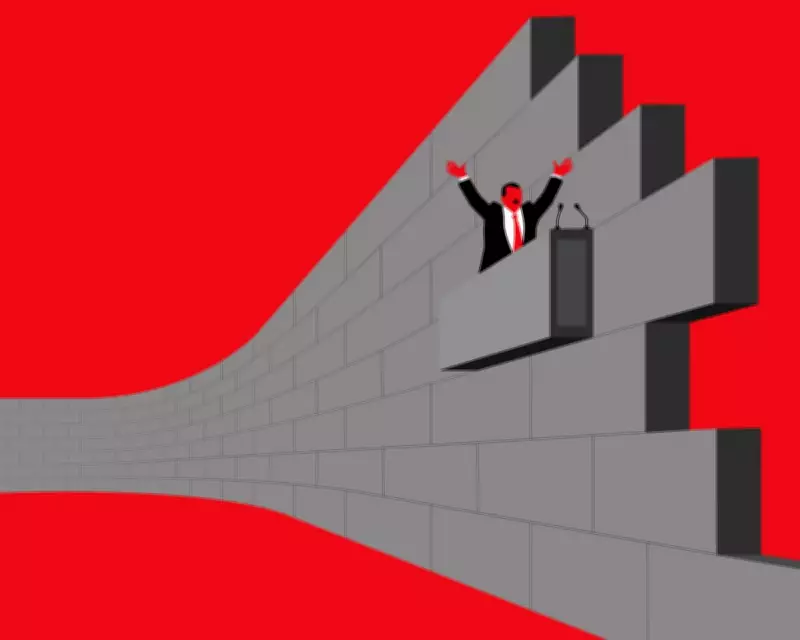
Walls project political will and ambition. They appeal to the desire to mark territory and defend homes. But it is easier to erect barbed wire than to tackle the roots of a nation's problems. If the aim is to halt migration or terrorism, a better solution is to address the conditions driving people from their homes.
As the ruins of ancient border walls show, politicians are unlikely to think that ambitiously. Instead, they will probably just build more walls.