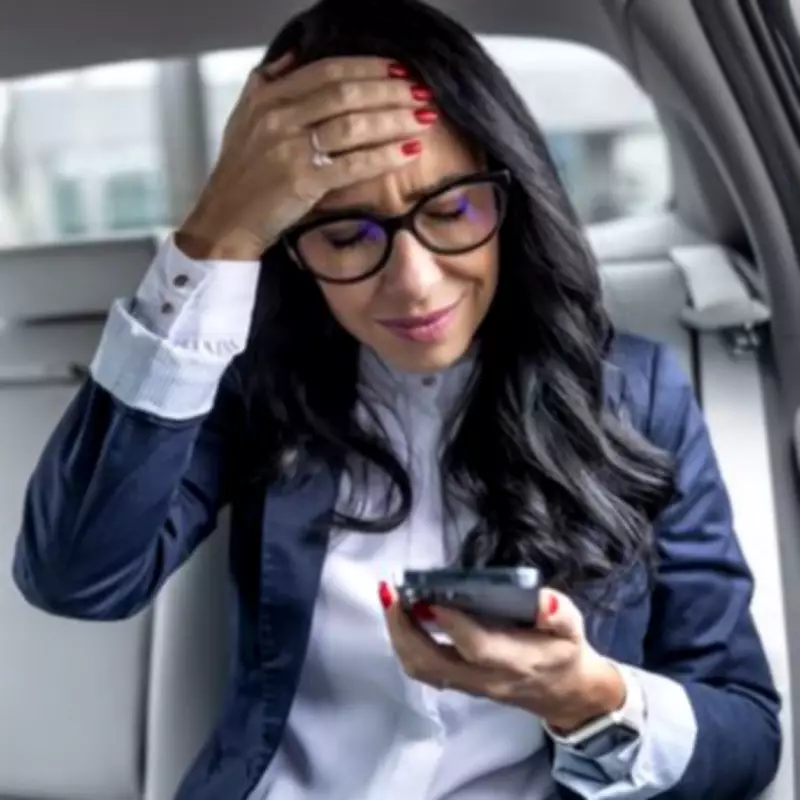
The Driver and Vehicle Licensing Agency (DVLA) has issued an urgent warning to motorists about fraudulent text messages and emails. In a post on X, the agency highlighted that criminals are targeting drivers with fake communications pretending to be from the DVLA.
Protect Yourself from Scams
The DVLA shared three key tips to help drivers stay safe: always use the official GOV.UK website, do not share personal information, and think before clicking on any links. The post directed users to a GOV.UK page with further advice on avoiding scams.
Official Guidance
According to the DVLA website, the only legitimate source for official information and services is GOV.UK. Other websites may charge higher fees for services that are cheaper or free on GOV.UK, or may even be fraudulent. The agency advises motorists to always use GOV.UK when dealing with the DVLA.

The guidance warns that fraudsters often send emails or texts asking victims to confirm personal or payment details, sometimes claiming a vehicle tax refund is due. The DVLA emphasizes that it never asks for bank account details or payment confirmations via email or text unless there is a live enquiry. Vehicle tax refunds are issued automatically and never through an email link.
What to Do If You Receive a Suspicious Message
Drivers are instructed not to click on any links in suspicious emails or texts. Instead, they should report the message to the National Cyber Security Centre and delete it immediately. The DVLA also warns against sharing driving licence or vehicle information online, as these details can be used for identity theft or vehicle cloning.
Motorists are advised not to post such details on social media, as this could lead to fraudulent parking, congestion, or speeding fines. The DVLA urges people to report phishing emails to the National Cyber Security Centre, online scams to Report Fraud, and misleading adverts to search engines to help prevent fraud.