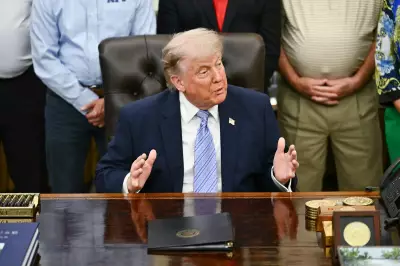
The political turmoil in Haiti has intensified following the rejection of former President Donald Trump's immigration proposal by Republican lawmakers. The plan, which aimed to provide temporary relief for Haitian migrants, was met with staunch opposition from within the GOP, who argued that it would undermine national security and strain economic resources.
Republican Opposition
Several prominent Republican figures voiced their dissent, emphasizing the need for stricter border controls and a merit-based immigration system. Senator Tom Cotton of Arkansas stated, "We cannot afford to repeat the mistakes of the past. Our immigration policy must prioritize the safety and prosperity of American citizens." The resistance from within Trump's own party highlights the deep divisions over immigration policy.
Humanitarian Concerns
Humanitarian organizations have expressed alarm over the deteriorating conditions in Haiti, where political instability, gang violence, and economic collapse have driven thousands to flee. The United Nations reports that over 100,000 Haitians have been displaced internally, with many attempting dangerous journeys to the United States. Aid groups are urging the international community to provide immediate assistance.

The Biden administration has faced criticism for its handling of the crisis, with some accusing it of failing to offer adequate support to Haiti. Meanwhile, Trump's proposal, which included temporary protected status for Haitians, was seen as a potential lifeline for those affected.
Economic Impact
Economists warn that the ongoing instability in Haiti could have broader regional implications. The country's economy has contracted by over 20% in the past year, exacerbating poverty and unemployment. Neighboring countries, including the Dominican Republic and the Bahamas, are also feeling the strain as they grapple with an influx of migrants.
Republican lawmakers have called for a comprehensive strategy that addresses both the root causes of migration and the security concerns at the U.S. border. "We need a plan that works for everyone," said Representative Marjorie Taylor Greene. "Blanket amnesty is not the answer."
International Response
The international community has been slow to respond, with many nations hesitant to intervene in Haiti's internal affairs. The United Nations Security Council is expected to hold an emergency session to discuss the crisis, but no concrete action has been taken yet.
As the situation continues to unfold, the fate of thousands of Haitian migrants hangs in the balance. The rejection of Trump's proposal by Republicans marks a significant setback for those seeking refuge, and the search for a viable solution remains elusive.