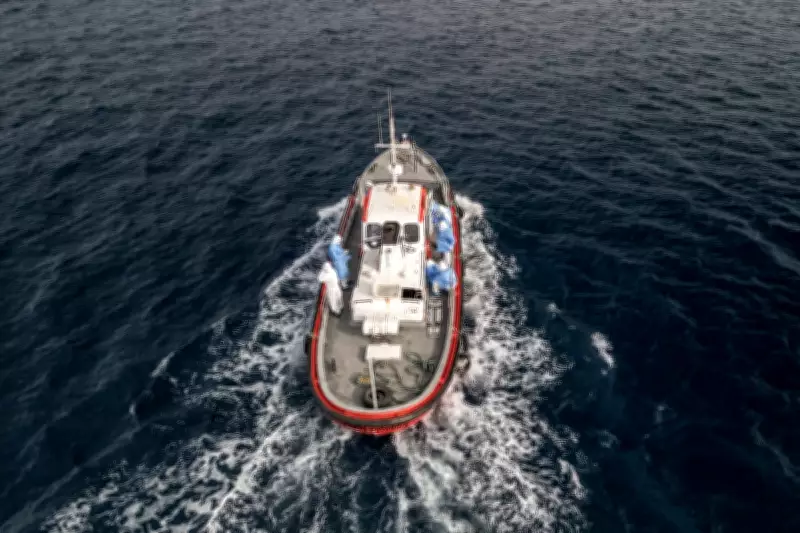
The recent outbreak of hantavirus on the Dutch cruise ship MV Hondius has highlighted significant deficiencies in the United States public health system, raising concerns about the country's ability to respond to infectious disease threats, according to experts. The incident underscores the potential risks of neglecting pandemic preparedness and the consequences of withdrawing from global health collaborations.
Outbreak Details and Risk Assessment
There are currently three suspected and five confirmed cases of Andes virus, a type of hantavirus typically spread by rodents but capable of limited human-to-human transmission through close contact. Three people have died, and three remain hospitalized, including in intensive care, though patients are showing signs of improvement. One Dutch flight attendant tested negative for the virus, according to Inside Medicine. Officials and scientists emphasize that the risk to the general public is extremely low, with Bill Hanage, professor of epidemiology at the Harvard TH Chan School of Public Health, stating that his personal worry is essentially zero. Maria Van Kerkhove, director of epidemic and pandemic management at the World Health Organization (WHO), stressed that this is not comparable to COVID-19 or influenza, as hantavirus spreads very differently.
Global Response and US Absence
The WHO has been coordinating the international response, but the United States, under President Donald Trump, has withdrawn from the organization, leaving a noticeable gap in leadership. Experts note that US health agencies, including the Centers for Disease Control and Prevention (CDC), have been weakened by staff cuts and budget reductions. The CDC has not held briefings or created public resource pages for hantavirus, a departure from typical outbreak communication. Instead, the US Department of State is leading the domestic response, a move described as highly unusual by infectious disease physician Boghuma Titanji. The CDC has provided technical input but has not taken a prominent role, raising concerns about the loss of expertise and coordination.

Misinformation and Public Trust
Misinformation about the outbreak is spreading, fueled by public anxiety and distrust of health officials. Titanji warned that the lack of clear communication from US authorities exacerbates fears, especially given the trauma of the COVID-19 pandemic. She noted that people are still reeling from that experience, making it difficult to avoid panic. The absence of a coordinated public information campaign could hinder efforts to ensure compliance with health guidance, such as contact tracing and quarantine measures.
Impact of US Health System Cuts
The Trump administration has implemented sweeping cuts to US health agencies, including layoffs of CDC staff and reductions in virology research. Laboratory capacity for testing rare pathogens like hantavirus is uncertain, as states can no longer send samples for some tests. Research on virus transmission has been politicized, with executive orders limiting studies on gain-of-function research. At the state level, more than half of US states have passed laws restricting health officials' ability to enforce quarantines, mask mandates, or school closures. Titanji expressed concern that if a high-consequence pathogen emerged, the current response framework would be inadequate.
Lessons from Previous Outbreaks
The WHO is focusing on human-to-human transmission, which remains limited to close contacts. A similar outbreak in Argentina in 2018-2019 resulted in 34 cases and 11 deaths, but was contained through aggressive contact tracing and isolation. Abdirahman Mahamud, an infection prevention control specialist at WHO, emphasized that these measures can break the transmission chain. However, coordinating a response across multiple countries and jurisdictions, as seen with passengers from 12 nations, complicates efforts. The WHO's director-general, Tedros Adhanom Ghebreyesus, expressed hope that the US and Argentina would reconsider their withdrawals from the organization, stating that solidarity is the best defense against viruses.

While the US remains part of the International Health Regulations, ensuring information flow, experts warn that the current environment of cuts and mistrust could delay control of the outbreak. Hanage noted that the appetite for implementing public health measures will determine how quickly the situation is resolved. The hantavirus outbreak serves as a warning sign for future pandemic preparedness, highlighting the need for robust global coordination and domestic health infrastructure.