Experts have warned that individuals exposed to the deadly hantavirus could potentially become super-spreaders, as symptoms may take up to two months to manifest after initial exposure. Currently, two British nationals are self-isolating at home in the UK following potential exposure to the virus on a cruise ship traveling from Argentina to Cape Verde.
More than 20 Britons remain aboard the stricken MV Hondius and are expected to return home in the coming days, where they may face quarantine for up to eight weeks. Officials assess the risk to the public as low, but research from the US Army Medical Research Institute of Infectious Diseases indicates that the Andes strain, identified on the ship, can spread rapidly between humans.
It remains unclear whether the outbreak originated from rodent contamination on the vessel or if passengers were exposed before boarding. Reports suggest some passengers visited a rubbish tip for birdwatching prior to departure, which might have led to exposure. If so, symptoms would not appear until about a week later, after the ship had sailed.

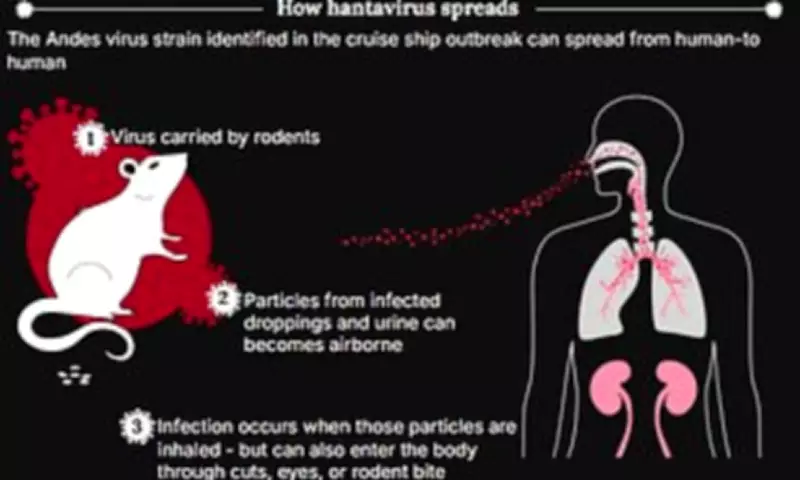
How Hantavirus Spreads
Hantavirus typically jumps from rodents to humans when contaminated droppings become airborne and are inhaled. Infection can also occur if saliva, urine, or feces from an infected rodent enters the eyes, nose, or mouth. While initial symptoms resemble the flu, the Andes strain spreads through prolonged contact with an infected person, such as sharing food, sleeping in the same bed, or sexual contact.
Incubation Period
The incubation period can extend up to eight weeks before severe illness develops. Early signs include fatigue, fever, and muscle aches. Depending on the strain, the disease progresses to either hantavirus pulmonary syndrome (HPS) or hemorrhagic fever with renal syndrome (HFRS). Asian strains typically lead to the less severe HFRS. Diagnosing hantavirus within 72 hours of infection is challenging due to symptom overlap with influenza.
Hantavirus Pulmonary Syndrome (HPS)
HPS affects the lungs and is potentially deadly. About half of patients experience headache, dizziness, chills, and gastrointestinal issues. Four to ten days after initial symptoms, coughing and shortness of breath appear as the lungs fill with fluid, often requiring intubation. Approximately 40% of those with respiratory symptoms die.
Hemorrhagic Fever with Renal Syndrome (HFRS)
HFRS affects the kidneys, causing internal bleeding and organ failure. Symptoms develop within two weeks, including intense headaches, abdominal pain, fever, chills, nausea, blurred vision, facial flushing, and a butterfly rash on the cheeks. In rare cases, symptoms may take up to eight weeks. Later stages involve low blood pressure, internal bleeding, and kidney failure, requiring dialysis and intensive care.
Treatment and Recovery
There is no specific treatment for hantavirus, but early medical support improves survival chances. New treatments are being trialled, but no widely available vaccines exist. Limited vaccines are used in China and South Korea, where certain strains are more common. Worldwide, an estimated 150,000 cases of HFRS occur annually, primarily in Europe and Asia, with over half reported in China.