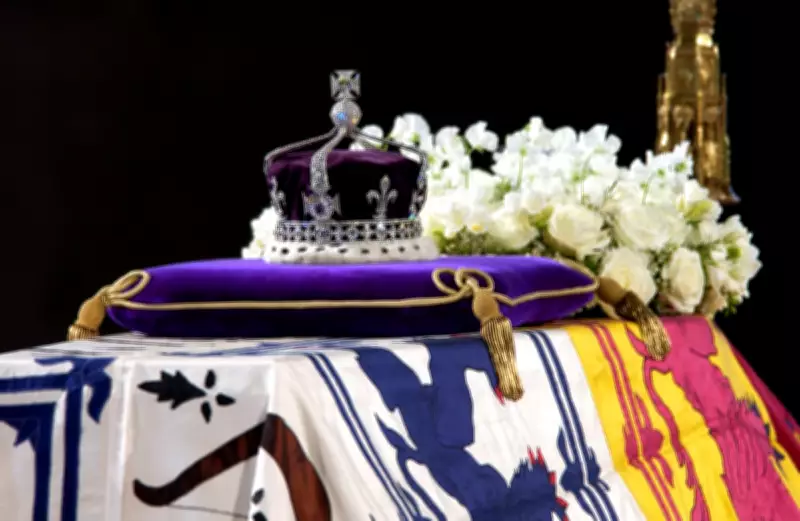
The Koh-i-Noor diamond, a storied gem mounted in the crown of Queen Elizabeth the Queen Mother, has once again become the center of a heated debate after New York Mayor Zohran Mamdani suggested King Charles III should return it to India. The mayor's comments, made during a press conference ahead of the king's visit to New York, drew sharp criticism from some quarters but were celebrated across India, reigniting calls for repatriation.
The Diamond's Turbulent History
Believed to have originated in southern India, the Koh-i-Noor has changed hands over centuries through conquest, assassination, and colonial plunder. It passed from Mughal emperors to Persian invaders, Sikh rulers, and ultimately to the British East India Company, which forced the young Maharaja Duleep Singh to cede it to Queen Victoria under the Treaty of Lahore in 1849. The diamond was later recut to suit European tastes and set into the Crown Jewels, becoming a symbol of British imperial power.
Modern Repatriation Calls
Since Indian independence in 1947, successive governments have formally requested the diamond's return, but British authorities have refused, citing the 1849 treaty. The gem has been compared to the Parthenon Marbles and Benin Bronzes as iconic examples of colonial loot. In a break with tradition, the Koh-i-Noor was not used in the coronation of King Charles III, seen by many as a tacit acknowledgment of its contentious status.

Historian William Dalrymple, co-author of a book on the diamond, described it as a "pocket-sized symbol of colonial loot and plunder" that remains deeply emotional for South Asia. He noted that the British themselves mythologized the stone, and its power to create dissension persists, even as King Charles navigates diplomatic engagements.
Multiple Claims Complicate Return
The question of ownership is further complicated by competing claims from Pakistan, Bangladesh, Afghanistan, and even the Taliban. Historian Audrey Truschke remarked that it is unclear to whom the British should return the diamond, highlighting the complexities of undoing colonial harms. Dalrymple suggested the Koh-i-Noor could become a "major diplomatic grenade" in future UK-India relations, as Britain seeks closer ties with India.
Despite the controversy, the Indian government's recent efforts to push for repatriation have been lackluster. However, the diamond's legacy endures, drawing tourists to the Tower of London and sparking cries of "thief" from Indian visitors. The debate shows no signs of fading, with the Koh-i-Noor continuing to disrupt and divide.