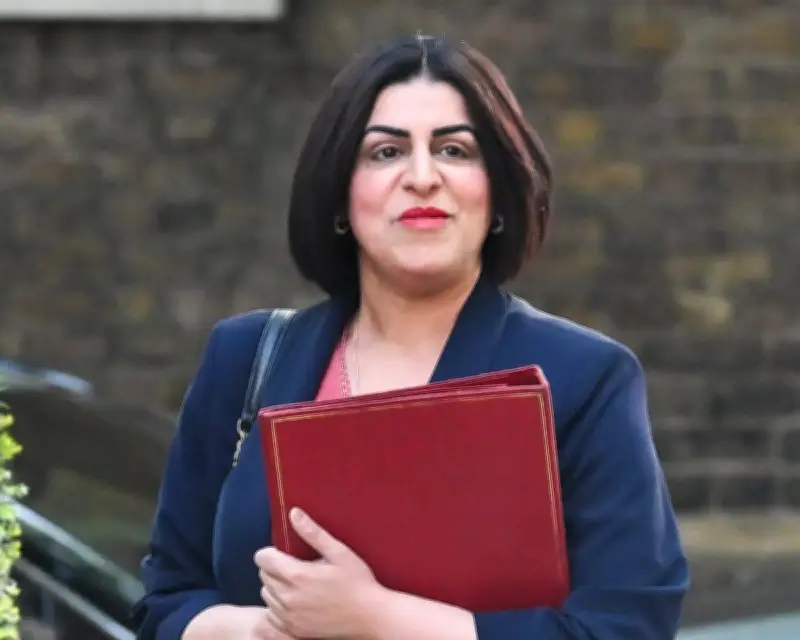
Shabana Mahmood will next week introduce an immigration bill that accelerates the opening of new safe and legal routes for refugees, seeking to shore up support from the progressive left of the Labour Party. The home secretary, a leading contender to remain in her role if Andy Burnham becomes prime minister, faces criticism from some MPs and charities who view the bill's asylum restrictions as too draconian.
Bill Details and Safe Routes
The legislation, set to be introduced on Tuesday, includes two safe and legal routes for refugees to open from autumn: a community sponsorship scheme allowing groups to identify refugees, and a university student scheme. Applications will begin within months, with refugees arriving next year. A third employer sponsorship route will launch next year. Mahmood previously stated these routes would allow hundreds of refugees annually, with a Labour source aiming for thousands per year. A comparable Canadian community sponsorship scheme has enabled 400,000 refugees to enter since 1979.
Criticism and Political Pressure
Labour peer Alf Dubs, who fled Nazi persecution via the Kindertransport, called for Burnham to remove Mahmood from the Home Office and scrap her "performative cruelty" asylum policies. He argued her talents "would be better used elsewhere in the cabinet." Dubs said: "This is Labour's reset moment when we can consign to the past some of the appalling language used by politicians to describe refugees."

Changes to Indefinite Leave to Remain
Mahmood has softened some hardline plans, reassessing proposals to extend the waiting period for indefinite leave to remain from five to ten years. She has also exempted care workers from changes and clashed with Keir Starmer over immigration minister Mike Tapp, whom she sought to sack after he briefed the Times on the proposals. No 10 declined her request.
Burnham's Stance
Burnham backs the broad thrust of Mahmood's immigration plans but has reservations about retrospective changes to indefinite leave to remain for migrants already in the UK. He agreed to introduce the bill as planned on Tuesday, even though he is not expected to become prime minister until 20 July.
Other Measures in the Bill
The bill will remove modern slavery protections for foreign nationals convicted of crimes, scrapping the 12-month threshold. It will reject last-minute modern slavery claims if objections could have been raised earlier or false documentation is evident. Immigration claims under the right to family life will be limited to parents, spouses, or children under 18, except in exceptional circumstances. A new test will prioritize deporting foreign national offenders in the public interest. Family reunion applications must be brought by a UK-based sponsor. Trafficked and exploited children will receive dedicated independent guardians.
Reactions and Data
Analysis shows a 50% drop in refugees arriving via safe and legal routes in Q1 2026 compared to Q1 2025, with just over 3,600 granted protection through resettlement or family reunification. Refugee family reunion was paused in September 2025 and remains closed. Jo Cobley of Safe Passage International expressed concern that the bill is being pushed through before a new prime minister is confirmed. Madeleine Sumption of the Migration Observatory noted potential debates over sponsor eligibility, such as faith groups.
Mahmood stated: "I will open new legal routes for genuine refugees, while closing loopholes that have been too often abused." Dubs called for a Burnham-led government to champion "human rights, compassion, fairness and equality" while controlling borders, adding that retrospective changes to indefinite leave to remain are "simply unjust."