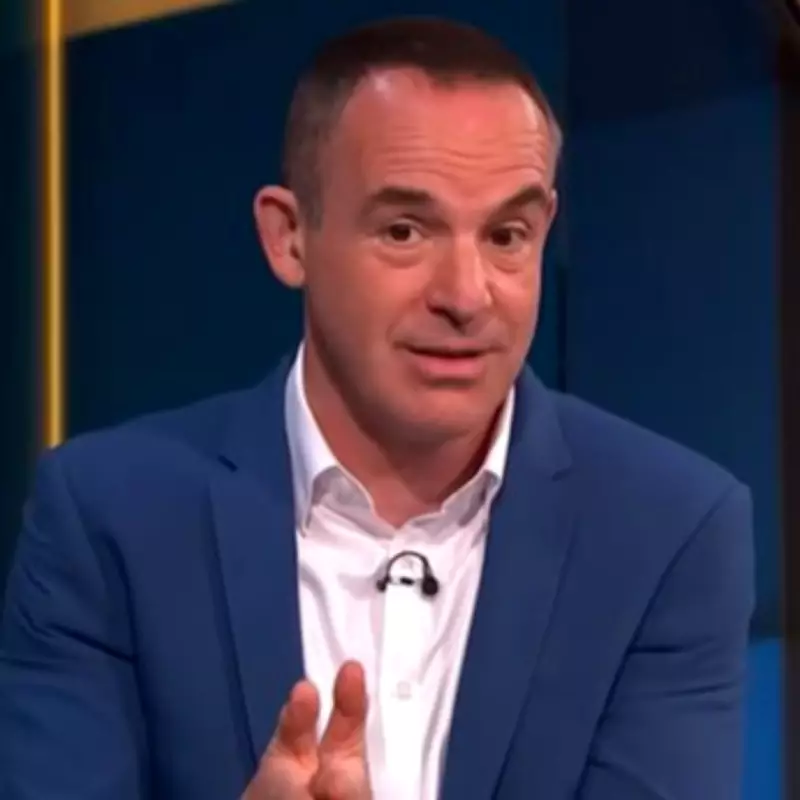
Money guru Martin Lewis has accused tech giants of “actively profiting” from fraud. The TV star, along with consumer group Which?, has written a joint letter to PM Keir Starmer calling on the government to crack down on online heavyweights that allow their platforms to be used by scammers.
Growing Threat of Online Scams
Which? has previously warned that social media sites are “littered” with scams trying to trick victims into financial traps. They range from so-called purchase scams to bogus investments, impersonation scams, and others linked to dating. According to the letter from Moneysavingexpert.com founder Mr Lewis and Which? chief executive Anabel Hoult, “This fraud doesn’t just destroy people’s financial lives, it can also destroy self-esteem and have huge impacts on mental health. It is easily one of the most common forms of ‘harm and abuse’ and needs addressing as a matter of urgency.”
High-Profile Victims and Deepfakes
Mr Lewis, Dragons’ Den star Deborah Meaden, and billionaire Richard Branson are among those whose images have been exploited. The latest threat comes from deepfake content generated by artificial intelligence for both “get rich quick” schemes and fake news articles. The City watchdog, the Financial Conduct Authority, also issued an alert to young drivers this week about “ghost broking” scams, where criminals sell bogus insurance policies through social media and messaging platforms. The policies are either entirely fake, invalid because they falsify details to bring the price down, or are cancelled shortly afterwards. Victims are left unknowingly uninsured and at risk of prosecution, fines, and having their car seized.

Tech Platforms Profiting from Fraud
Online platforms rake in a reported £3.8 billion annually from scam ads targeting European users. “Major online platforms are not just hosting criminal activity, they are actively profiting from it,” says the letter to Mr Starmer and Science Secretary Liz Kendall. “The firms will often try to suggest that there are technological difficulties in preventing fraud. That isn’t true, it is a lack of incentive. They aim to operate frictionless advertising models, so anyone, without checks, can pay and get their ads published and put in front of millions of eyeballs. They aren’t willing to add the friction that responsible advertising demands, never mind go through the rigid checks British old-media firms are forced to.”
Government Response Under Fire
The letter is critical of the government’s recently launched Fraud Strategy. It claims the plan, along with the Online Safety Act, are failing to hold big tech companies to account. Mr Lewis and Which? contrast what they call the government’s “weak” approach to the decisive action taken by ministers when deepfake sexual content appeared on Elon Musk’s AI bot Grok, when it warned “if you profit from harm and abuse, you lose the right to self-regulate”. Which? and Moneysavingexpert want the government to order regulator Ofcom to start taking action against platforms that host scams as soon as possible.
Impact on Consumers
Research from the FCA found around half of young drivers have bought insurance through social media or messaging apps. Graeme Reynolds, director of insurance at the FCA, said: “Tight budgets make cheap offers tempting – and scammers take advantage of that. Don’t get ghosted by a policy that doesn’t exist. Check the FCA Firm Checker before you buy, because driving uninsured could cost you far more than any premium.”
Government Statement
A government spokesperson said: “Scammers who trick people into parting with their money are committing a criminal offence and should expect to be punished. This Government is backing words with action, delivering £79 million this year to tackle fraud head-on. We've published a Fraud Strategy to protect consumers and disrupt criminal networks. But platforms also have a responsibility to ensure their sites are not providing a forum for material intended to scam the public. Under the Online Safety Act, services that allow users to upload content or interact with others, including social media platforms, must proactively tackle illegal fraudulent content. This includes fraud by false representation and scam ads, whether shared or generated by users – or face consequences.”