Mexico Mine Abduction Questions Security Gains Under Sheinbaum
The abduction of 10 mine workers in Mexico's Sinaloa state has raised serious questions about the government's touted security improvements. This incident has generated widespread fears locally and sparked broader doubts regarding President Claudia Sheinbaum's aggressive stance against drug cartels.
Deserted Towns and a Violent Backdrop
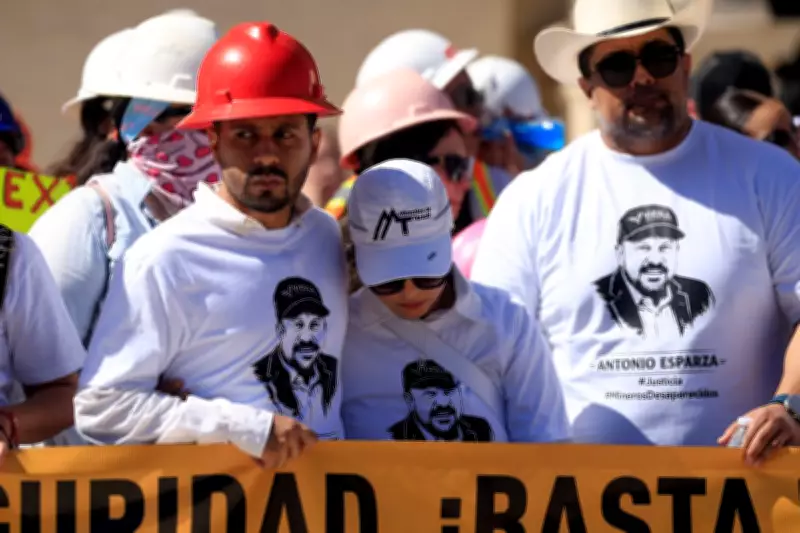
Deep in the coastal mountains above the Pacific resort of Mazatlan, towns along a twisting road appear nearly deserted, with quiet broken only by occasional passing trucks. Near the town of Panuco, 10 employees of a Canadian-owned silver and gold mine were abducted in late January. The bodies of five have been located nearby, while five more await identification.
Most residents of these towns have fled out of fear as two factions of the Sinaloa Cartel have been locked in battle since September 2024, according to Fermín Labrador, a 68-year-old from the nearby village of Chirimoyos. Others, he said, were effectively forced to leave.

Sheinbaum's Security Strategy Under Scrutiny
President Claudia Sheinbaum has pointed to a sharp decline in homicide rates last year as evidence that her security strategy is working. She signaled her more aggressive approach toward drug cartels in Sinaloa with captures and drug seizures after taking office in late 2024. One year ago, she deployed 10,000 National Guard troops to the northern border to address U.S. concerns over cartel fentanyl trafficking, much of which originates from Sinaloa.
However, security analyst David Saucedo argues that episodes like the mine abduction demolish the federal government's narrative of gradually gaining control. He suggests Sheinbaum has attempted to manage the conflict while the Sinaloa Cartel's internal war has spread, forcing people to align with one of the two factions.
Fleeting Security Presence and Ongoing Fears
The mine workers' disappearance in late January prompted increased military presence in the mountains, with searches conducted by air and ground. Mexico's Security Secretary Omar García Harfuch personally coordinated the operation, resulting in several arrests and the discovery of clandestine graves based on suspect information.
Despite this, the heightened security has not brought peace of mind to residents. Roque Vargas, a human rights activist for people displaced by violence in the area, noted that the increased activity has scattered organized crime elements temporarily, but he worries about their potential return. Residents also fear being mistaken for criminals and attacked by security forces when leaving their towns, citing similar incidents elsewhere in the state.
Cartel Infighting and Escalating Violence
Sheinbaum took office in October 2024, just as Sinaloa was entering a new spiral of violence following the abduction of Sinaloa Cartel leader Ismael El Mayo Zambada by a son of former leader Joaquín El Chapo Guzmán. Zambada was handed over to U.S. authorities, triggering war between his faction and that led by Guzmán's sons.
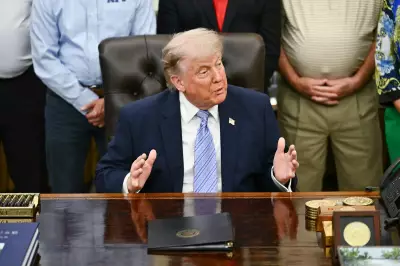
Initially concentrated in the state capital Culiacan, the conflict eventually spread statewide. The pressure intensified when U.S. President Donald Trump designated the Sinaloa Cartel a foreign terrorist organization last year, increasing demands on Sheinbaum's administration to confront the cartels more forcefully.
Mines as Targets and Government Response
Mines, along with avocado groves and gasoline pipelines, have long attracted organized crime's attention in Mexico as sources of extortion or material theft. Security analyst David Saucedo, who has researched cases across multiple states, has also documented instances where mines leverage armed groups to control opposition.
The Mexican government maintains no reports of extortion against Vizsla Silver Corp., the Vancouver-based mine owner. Sheinbaum has promised her administration will engage with all mining companies in Mexico to offer necessary support. Vizsla has not responded to media inquiries but has stated its focus remains on finding the remaining workers and supporting affected families.

Search for the Missing and Broader Implications
In the community of El Verde, Marisela Carrizales stood beside banners bearing photographs of missing people, with a police car blocking the road to discovered grave sites. She belongs to one of many search collectives that have spread across Mexico to look for the missing, having searched for her son Alejandro for over five years.
Authorities found multiple clandestine graves in early February, with the Attorney General's office reporting 10 bodies at one location—five identified as missing mine workers. The Sinaloa state prosecutor's office confirmed additional remains in four other grave sites around the community.
The disappearance crisis extends beyond the mountains. In Mazatlan, a Mexican tourist was taken from a bar in October, a businessman disappeared in January, and six other tourists were abducted from an upscale area in February. While the government has strengthened security in Mazatlan ahead of carnival celebrations, fear persists in mountainous communities where teachers, doctors, and even public transportation have become scarce.
For residents like Fermín Labrador, daily survival means borrowing a friend's motorcycle to reach his highway toll booth job or walking over five miles through the mountains when transportation isn't available—a stark reminder of the ongoing security challenges facing Sinaloa.