An asylum seeker who was sent back to France under the UK's 'one in, one out' scheme has covertly returned to Britain and is now in hiding, fearing for his life. In an exclusive interview, the man told the Guardian that his situation is 'desperate' and that he knows of at least 18 others from the scheme who have also returned clandestinely.
The man, who returned to the UK in a lorry, said he was beaten by smugglers after being sent back to France. 'After I was sent back to France by the Home Office, the smugglers caught me and wanted to force me to work with them. I don't want to work with the smugglers and I refused to do so. They beat me so badly that my face is still full of bruises and injuries,' he said. He escaped and felt his only option was to return to the UK, which he considers safer.
He explained that the 'one in, one out' scheme has driven up prices for smuggling routes. 'The price for a small boat Channel crossing is €1,000 to 2,000, while the price for a lorry to the UK is €4,000 to 5,000.' He believes many asylum seekers are using lorries to return to the UK, with at least 18 known to him now living underground.

The scheme, designed to deter small boat crossings, has seen 605 people returned to France and 581 brought to the UK as of 28 April. However, crossings have continued, with smugglers adapting by launching more vessels from Belgium and offering lorry journeys. The number of Channel crossings this year is down by about a third compared to last year, partly due to windy weather.
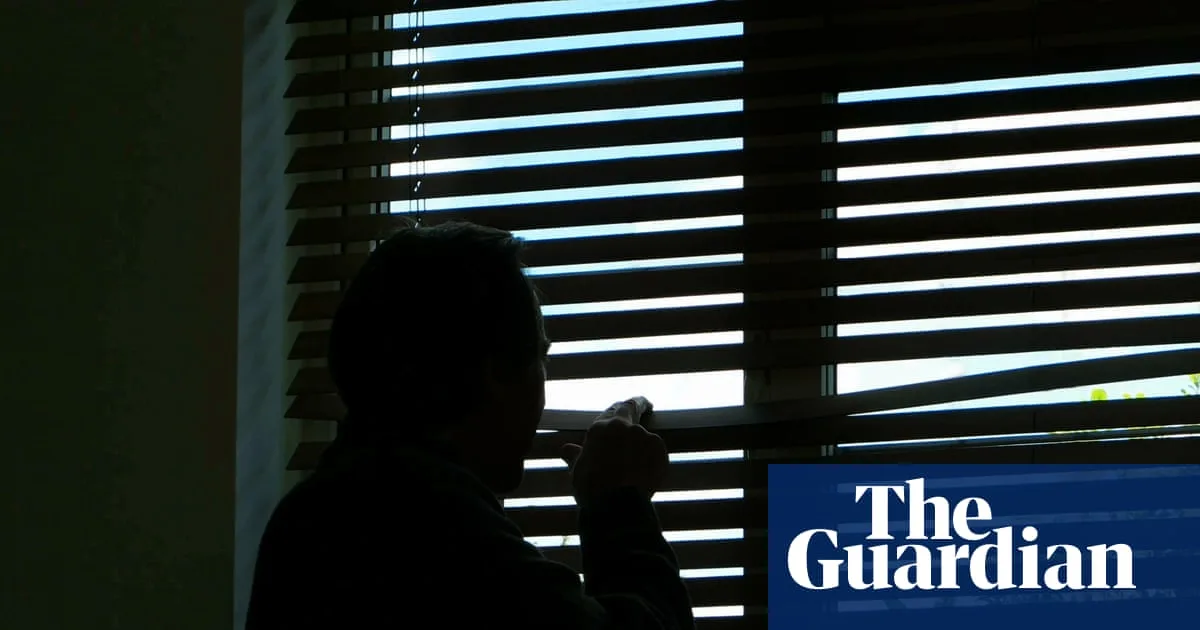
The returnee said he rarely leaves the room where a friend is sheltering him, fearing smugglers, police, and the Home Office. 'I'm in a city outside London and I'm scared to leave this room. I don't have a life any more and I don't have a plan,' he said. He is considering handing himself in but fears being sent back to France, where he believes smugglers would kill him.
Seema Syeda from the Joint Council for the Welfare of Immigrants criticised the government's approach: 'The government's border regime is pushing people into unsafe routes and criminalising people. The simple, moral answer is to allow people seeking safety to use the same routes as everyone else: train, ferry, plane.'