Modi Urges Work-From-Home and Conservation Measures Amid Fuel Crisis
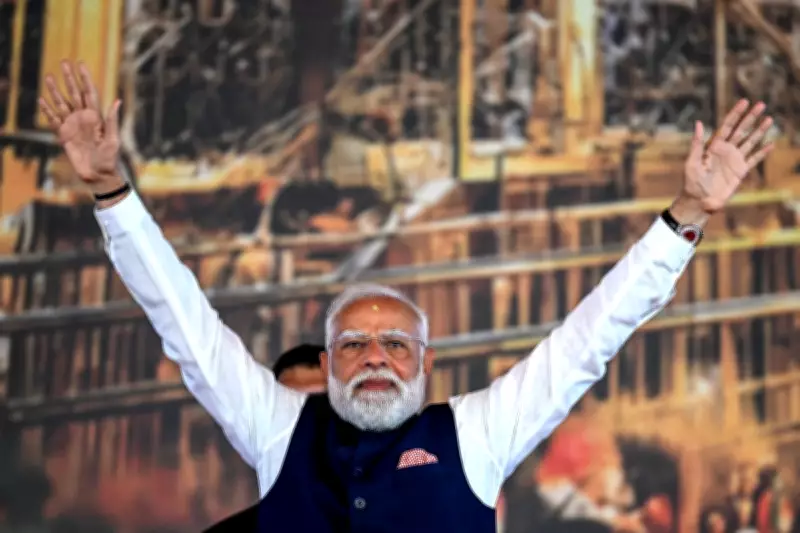
Prime Minister Narendra Modi on Sunday appealed to Indians to reduce travel, postpone gold purchases, and adopt work-from-home practices to conserve fuel and foreign exchange amid shortages triggered by the US-Israeli war on Iran. Addressing a public meeting, Modi urged citizens to increase the use of public transport and electric vehicles, reviving the Covid-era measure of working from home. Emphasizing the need to prioritize the nation, he said, “Use metros wherever available. Use carpooling to go places, and use railways if you have to transport goods. All of this will reduce dependency on petrol and diesel, thereby cutting dependence on foreign currency.”
Stating that Covid-era measures are essential now, he called for a return to virtual meetings and video conferencing. The appeal came as crude oil prices surged after US-Iran peace talks stalled, sending the rupee past 95 per dollar on Monday. Indian assets faced broad pressure, with the rupee falling 0.75% to 95.1850 per dollar, the benchmark Nifty 50 index shedding over 1%, and the 10-year bond yield rising 5 basis points to 7.03%. Gold fell 1% as elevated oil prices stoked inflation fears and prolonged high interest rate expectations.
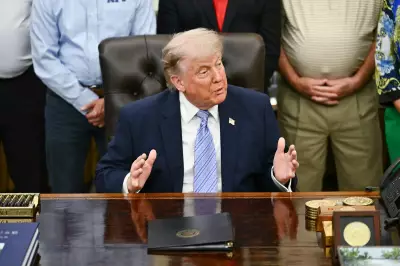
The renewed market pressure followed US President Donald Trump’s rejection of Iran’s response to a US proposal for talks, calling Tehran’s demands “totally unacceptable.” Brent oil futures jumped 4% in Asian trade to $105.7 a barrel. Higher oil prices pose a major risk for net energy importer India, threatening to widen the current account deficit, slow growth, and fuel inflation. “Inflation risks still weigh heavy on the market’s collective mind, as attempts to end the Middle East conflict reached an impasse after the US and Iran rejected each other’s peace proposals,” said Han Tan, chief market analyst at Bybit.

Gold prices have fallen more than 11% since the war began in late February, pressured by higher oil prices. While gold is considered an inflation hedge, high interest rates tend to weigh on non-yielding assets. The Reserve Bank of India has sold dollars from its foreign exchange reserves to defend the currency, cracked down on arbitrage activity, and is considering measures to boost dollar inflows.
To conserve foreign exchange, Modi also urged the middle class to “postpone travelling abroad for at least a year,” especially vacations and weddings at foreign venues. He asked people to reduce cooking oil use by 10%, saying, “This will not only help the nation but also improve your family’s health.” The prime minister advocated for greater use of indigenous products, asking people to list daily-use items and identify foreign-made goods. “Efforts should be on to build self-reliance as soon as possible,” he said, clarifying he was not asking people to discard foreign goods. “We have to save foreign exchange by any means.”
However, less than a day after the appeal, Modi held a roadshow in his home state of Gujarat to mark 75 years of the Somnath temple consecration. Leader of the opposition Rahul Gandhi criticized the prime minister, calling the message “evidence of failure” of his Hindu-nationalist Bharatiya Janata Party government. “Yesterday, Modi called upon the public to make sacrifices – do not buy gold, do not travel abroad, consume less petrol, cut down on fertilisers and cooking oil, take the Metro, and work from home,” Gandhi posted on X in Hindi. “These are not words of counsel. They are evidence of failure.” He accused the prime minister of shifting “responsibility onto the people” during a crisis to “escape accountability themselves,” adding, “Running the country is no longer within the reach of a compromised PM.”
Since the Iran war broke out, the rupee has declined over 4%, the Nifty 50 has fallen 5%, accompanied by a near 40 basis point rise in India’s 10-year sovereign bond yield. “As energy-related disruptions linger, rising risks of fuel shortages could pose a more differentiated challenge… particularly for economies with relatively low crude inventory buffers. This includes India and several ASEAN markets such as the Philippines, Vietnam, and Indonesia,” analysts at MUFG said in a note.