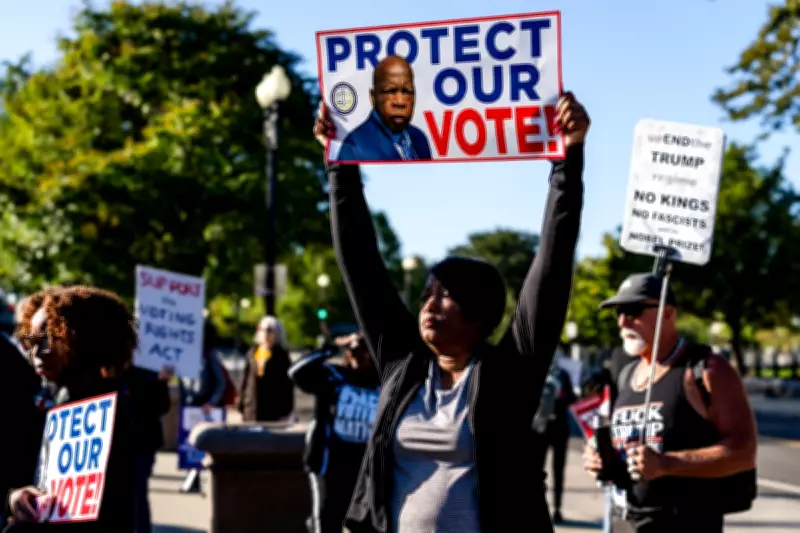
The National Association for the Advancement of Colored People (NAACP) has announced a boycott of college sporting events in states that have enacted restrictive voting laws. The action targets 11 Southern states, including Alabama, Georgia, and Texas, among others. The NAACP urges athletes, fans, and institutions to refrain from participating in or attending games until voting rights are strengthened.
Background of the Boycott
The boycott is a response to a wave of legislation passed in several states that critics argue suppresses voter turnout, particularly among minority communities. The NAACP has labeled these laws as a modern-day assault on the Voting Rights Act of 1965. The organization hopes that economic pressure from the sports industry will force state legislatures to reconsider their policies.
Targeted States and Sports
The boycott covers all college sports, with a particular focus on high-revenue events like football and basketball. The 11 states identified are: Alabama, Arkansas, Florida, Georgia, Kentucky, Louisiana, Mississippi, South Carolina, Tennessee, Texas, and West Virginia. These states have implemented measures such as strict voter ID requirements, reduced early voting periods, and limitations on mail-in ballots.

Reactions and Impact
The announcement has drawn mixed reactions. Some college athletes have expressed support, while others worry about the impact on their careers and scholarships. The NCAA has not yet taken a stance, but several universities have voiced concerns about potential revenue losses. Civil rights groups have praised the move, calling it a necessary step to protect democracy.
Historical Context
This is not the first time the NAACP has used sports boycotts to advocate for civil rights. In the 1960s, similar actions were taken against segregated facilities and discriminatory practices. The current boycott echoes that legacy, leveraging the cultural and economic power of college sports to demand change.
The NAACP has called on the Biden administration and Congress to pass federal voting rights legislation, such as the John Lewis Voting Rights Advancement Act. Until then, the boycott will continue, with the organization urging supporters to avoid traveling to or spending money in the affected states for sporting events.