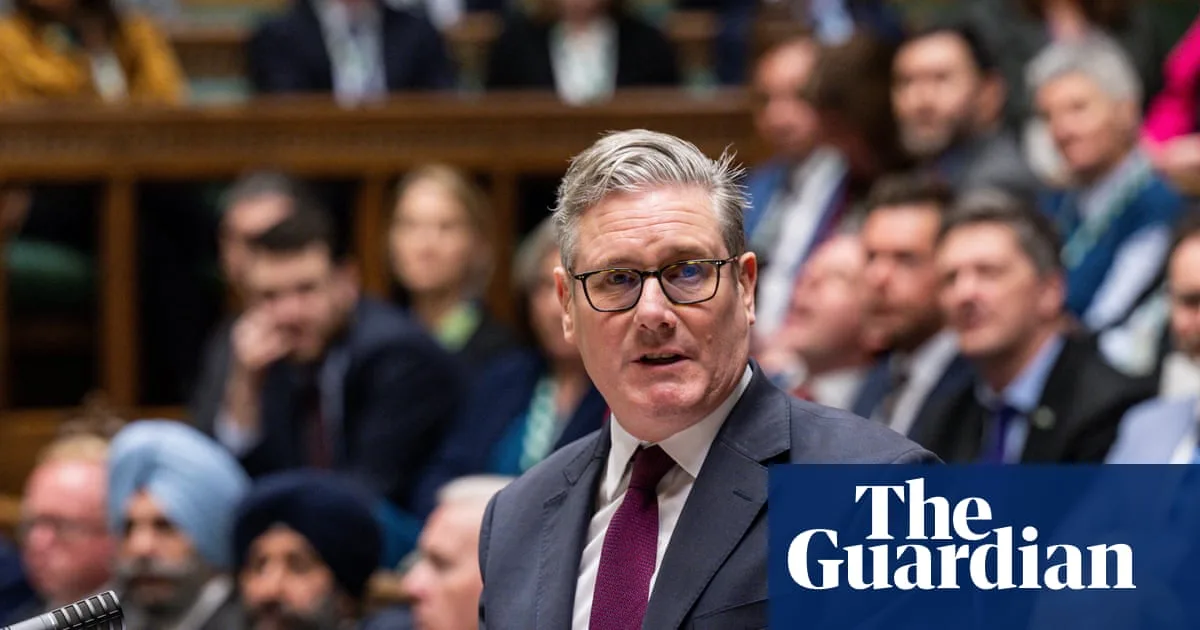
Starmer Signals Immigration Reform Softening in Bid for Political Centre
Starmer Hints at Softer Immigration Rules Amid Centre Ground Push

Starmer Signals Immigration Reform Softening in Bid for Political Centre

Keir Starmer has indicated that Labour might moderate its proposed immigration reforms, which have sparked significant dissent within his own party, as he positions himself firmly in the political centre ahead of crucial May elections. The Labour leader's comments come amid internal party tensions and a strategic shift to appeal to moderate voters.

Controversial Immigration Plans Under Review

Plans to overhaul settlement rights for foreign workers by potentially doubling the qualification period for permanent residence from five to ten years have been branded "un-British" by Deputy Leader Angela Rayner and have provoked substantial backlash from Labour MPs. The proposed changes could affect individuals already residing in the UK who have not yet obtained indefinite leave to remain.

Starmer suggested that the retrospective application of these measures might be diluted, acknowledging concerns raised by social workers about their potential impact. When questioned about reconsidering the proposals, he told the Sunday Mirror: "It's very important to recognise we're only at the end of the consultation, so there's no decisions made in relation to that. We must always remember that people do want firm rules."

Wide Pickt banner — collaborative shopping lists app for Telegram, phone mockup with grocery list

He elaborated: "They want clear rules, but they also want compassionate and fair rules, and certainly in relation to some of the arguments that have been made, for example, by social workers about the impact on them, they make a powerful case, in my view."

Targeting the Political Centre Ground

Starmer's remarks emerge against a backdrop of Labour anxieties following the party's third-place finish in the Gorton and Denton by-election, alongside challenging upcoming elections in Scotland, Wales, and English local councils. The Labour leader emphasised his commitment to pursuing centrist policies rather than embracing extremes from either political flank.

In his interview, Starmer stated: "I think very few people want to see Nigel Farage or Zack Polanski as Prime Minister. I believe firmly that there are a very large number of people in the middle of politics - which is where politics is always won from - who want to know that there is a government that has progressive answers to the challenges in their lives. And that is the argument we need to make for the Labour Party."

He added: "We need to better connect with that group of people, some of whom have voted Reform and have voted Green...We need to make our case more powerfully to them, give them a better account of what we've done."

Global Conflicts and Domestic Priorities

Starmer addressed the escalating conflicts in Iran and Ukraine, acknowledging they are causing significant anxiety among British citizens. He stressed that his government would remain focused on protecting households from cost-of-living pressures, particularly energy and food bills.

"For people, I think they're looking at their screens, they're worried about escalation. They can see explosions, infrastructure, different countries being hit. That is something people don't want to see," Starmer explained. "And then there's this secondary feeling of huge anxiety, which is their worry that this is going to affect me and my family, and worrying about predominantly energy bills and food bills."

He continued: "So going into the locals, we need to really be clear that our focus will be on the cost of living, as it always has been, and it needs to be particularly on things like energy bills and on food."

Standing Firm Against International Pressure

Amid criticism from former US President Donald Trump regarding Britain's refusal to join US-Israeli strikes on Iran, Starmer asserted he would not deviate from acting in Britain's national interest. "Everybody can see we've got a war on two fronts. That's what we're facing," he said.

"And I think most people are very worried about it, it's obviously dominating the news, and I need to be really clear with them and with the country as we go into these elections, that as the British Prime Minister, I will act in the British national interest. My judgment is it's not in the British national interest to get dragged into this war, and therefore I'm not going to allow that to happen, notwithstanding the pressure."

Pickt after-article banner — collaborative shopping lists app with family illustration

Criticism of Political Opponents

Starmer also targeted Reform UK and the Conservatives for what he characterised as inconsistent responses to the conflict. "Both on the right and the left of politics, the judgment calls of others have been wrong on this. Nigel Farage and Kemi Badenoch jumped straight in, 'let's go to war', both feet in, without thinking through the consequences - only then to try and attempt a screeching U-turn a week later," he stated.

"You can't possibly be Prime Minister and say, 'I'm going to join a war', then come back a week later and say, 'now I'm going to unjoin the war. That's the biggest judgment call you will ever make as a Prime Minister."

He added: "Then on the Green side, or the left side if you like, you've got people who say, 'we wouldn't take action to defend British lives'. I'm sorry, when missiles are coming into hotels or being aimed at British bases where we've got British service personnel, simply saying 'we're not going to do anything about it' is grossly irresponsible and a dereliction of duty."

Starmer highlighted domestic initiatives like the Pride in Place scheme, which allocates funding to local communities for enhancing cherished public spaces, as part of his broader strategy to unite the country during turbulent times.