A conservative advocacy group has filed a lawsuit against a long-standing federal scholarship program that supports Native Hawaiian medical students, sparking outrage among health experts in Hawaii who argue the program is vital for addressing healthcare disparities in underserved communities.
Background of the Lawsuit
Do No Harm, a Utah-based group, sued the federal government in March, claiming the Native Hawaiian Health Scholarship Program discriminates against non-Hawaiian applicants. The program, established in 1988 under the Native Hawaiian Health Care Act, has provided financial aid to hundreds of medical students in exchange for service in underserved areas of Hawaii.
Stanley Goldfarb, chair of Do No Harm, stated that the lawsuit aims to ensure all qualified applicants can compete for the scholarship. The group alleges that three of its members were denied because they are not Native Hawaiian.

Impact on Healthcare
Sheri-Ann Daniels, CEO of Papa Ola Lōkahi, which administers the program, emphasized the historical context and ongoing need for equitable healthcare. She noted that the program produces healers who uplift the health of all communities.
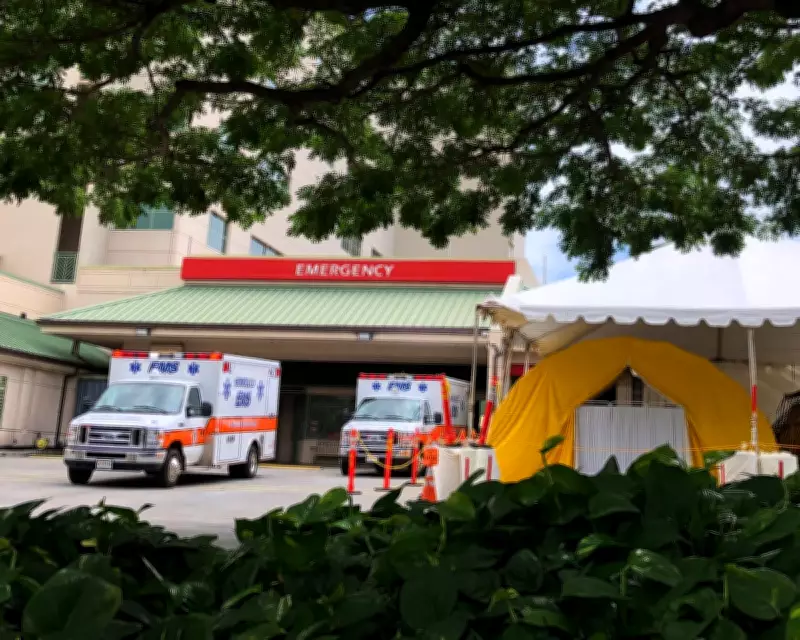
Native Hawaiians face significant health disparities, including lower life expectancy and higher uninsured rates compared to other groups. A 2024 report found nearly 12% of Native Hawaiians lack health insurance, versus 8% nationally.
Since its inception, the scholarship has supported 324 individuals, including 108 nurses, 71 doctors, and 49 social workers, all of whom have served in medically underserved areas. Many remain in these communities beyond their required service.
Personal Stories
Dr. Daniel Garcia, a recipient of the scholarship in 1991, shared his experience. Living in a garage and struggling financially, the scholarship allowed him to focus on his studies. He now works at Maui Medical Group, serving a predominantly Native Hawaiian population. Garcia stressed the importance of trust in healthcare, noting that patients often prefer providers who share their background.
Do No Harm disagrees, arguing that merit, not race, should determine eligibility. Executive Director Kristina Rasmussen stated that patients want great doctors regardless of skin color.
The lawsuit also challenges the definition of Native Hawaiian ancestry, which requires only one Native ancestor. The group argues this is arbitrary and perpetuates racial discrimination.
Political Context
The case is part of a broader effort by conservative groups to dismantle race-based programs following the Supreme Court's 2023 decision ending affirmative action in higher education. The Trump administration has also targeted diversity, equity, and inclusion initiatives.
Dee-Ann Carpenter, an associate professor at the University of Hawaii, received a precursor scholarship and emphasized the program's importance in enabling Native Hawaiians to pursue medical careers. She noted that graduates often work in essential fields like social work and nursing.
A similar lawsuit was filed last year against the Kamehameha schools, which prioritize Native Hawaiian students. Garcia expressed dismay at efforts to roll back programs that help close healthcare gaps.