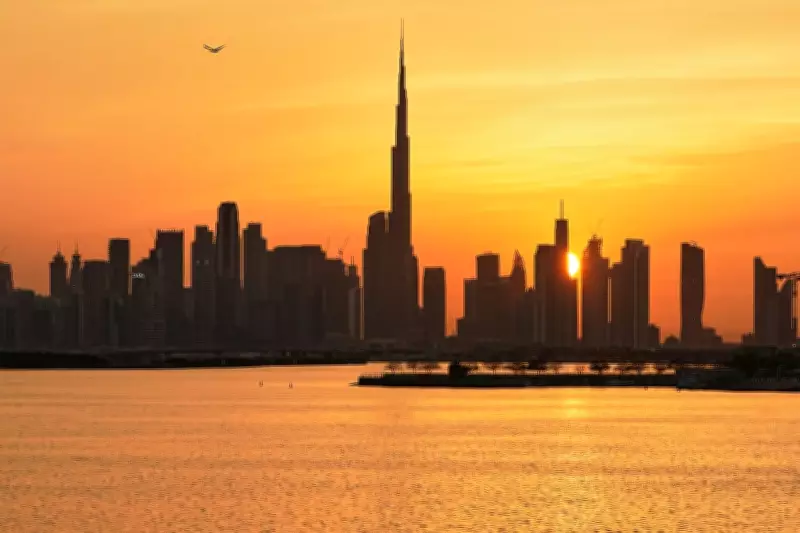
The United Arab Emirates, long promoting itself as a business haven in the volatile Middle East, now faces unprecedented economic and security challenges from ongoing conflict with Iran. Missile and drone attacks, along with Iran's blockade of the Strait of Hormuz, have halved the UAE's crude oil and natural gas exports, severely impacting its tourism and conference sectors.
Economic Resilience Despite Attacks
The UAE has responded with strategic adjustments, including plans for a second pipeline to bypass the Strait of Hormuz and its exit from OPEC to boost long-term energy production. While the war, initiated by the US and Israel, has entangled the UAE, a recent drone strike on the Barakah nuclear plant underscores persistent risks. However, the country's substantial cash reserves have so far prevented major job losses or a foreign business exodus.
Aggressive Foreign Policy Shift
Under Sheikh Mohammed bin Zayed Al Nahyan, the UAE has adopted a more assertive foreign policy, intervening in Yemen, Sudan, and Libya. Despite threats to retaliate against Iran, the government maintains a tough stance, with Sheikh Mohammed warning, "The UAE has thick skin and bitter flesh; we are no easy prey."

Economic Warning Signs
Tourism, accounting for over 12% of GDP, has suffered with over 70 events postponed or canceled. Hotel occupancy rates have plummeted to around 20%, projected to drop to 10% by June. Moody's Analytics warns rates may stay low through 2026. Yet, the Institute of International Finance notes that Dubai's openness makes it vulnerable, while Abu Dhabi's assets provide a buffer.
Despite the challenges, Dubai continues to project normalcy, hosting a scaled-down Art Dubai. Artists like Solimán López and Alfred Tarazi emphasize the importance of culture amidst conflict, with Tarazi remarking, "Life doesn't stop in a world war. We can only counter a narrative of violence with culture."