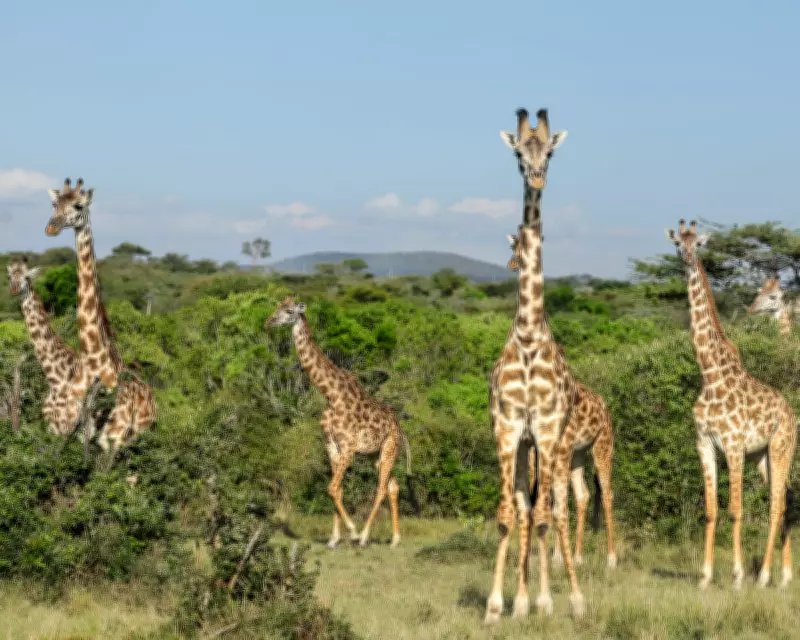
In response to Cal Flyn's article on trophy hunting, Eduardo Gonçalves and Blair Patrick Schuyler argue that a British ban on imports of hunting trophies is long overdue. Gonçalves, founder of Ban Trophy Hunting, spent years undercover in the industry and found that wildlife conservation was not a primary motivation for hunters. Instead, a Sussex man who had shot lions, elephants, and a critically endangered black rhinoceros described the experience as 'like mainlining on heroin.' Since 2020, giraffes have become a favoured souvenir of the globe-trotting British hunter.
Political Consensus but Legislative Stalemate
Keir Starmer and Kemi Badenoch both agree on banning trophy-hunting imports, as does virtually every party. Despite this unprecedented political consensus, the bill has not been enacted. A private member’s bill passed the Commons unanimously in 2023 but was thwarted by a dozen unelected, pro-hunting Lords. The US gun lobby spent over £1 million to block the bill. Gonçalves met ministers and officials and learned that the government will not announce a bill in next month’s king’s speech, despite Labour’s manifesto promising one.
Public and Expert Opposition
Sir David Attenborough described trophy hunting as 'what people did in the 19th century' and found it incomprehensible that people still get a kick out of killing things. Eight out of 10 UK voters agree. Since Cecil the lion was killed by an American dentist in Zimbabwe, 10,000 lions have been shot by trophy hunters, many of them British. Africa’s remaining lion population is optimistically estimated at 23,000.

Blair Patrick Schuyler, a research specialist at Peta, argues that trophy hunting is not conservation but cruelty dressed up in moral language. Killing wildlife destabilises populations, disrupts social structures, and undermines non-lethal conservation efforts. An independent study found that trophy hunting accounts for just 1.8% of tourism revenue, while nature-based tourism plays a significant role. Trophy hunting is deeply neocolonial, with wealthy outsiders exporting body parts while communities bear the ecological and moral cost.
The Department for Environment, Food and Rural Affairs drafted its trophy import prohibition bill three years ago. Campaigners urge the government to bring it to parliament, calling for a popular and progressive policy that reflects public opinion.