Health Chiefs Race to Contain Hantavirus as Two Cruise Ship Passengers Forced to Self-Isolate in UK
Health officials are urgently working to trace British passengers who disembarked from a hantavirus-stricken cruise ship before the deadly infection was detected, in a bid to prevent further spread. Two of those passengers, who have already returned to the UK after flying back from South Africa, have been forced to isolate at home and are currently not reporting symptoms.
The UK Health Security Agency (UKHSA) is striving to locate the remaining five British passengers, as well as flight passengers, family members, and anyone who may have been in close contact with them. The World Health Organisation (WHO) has warned that the number of cases could rise due to the long incubation period of the virus, but assessed the overall public health risk as low.
Timeline of the Outbreak
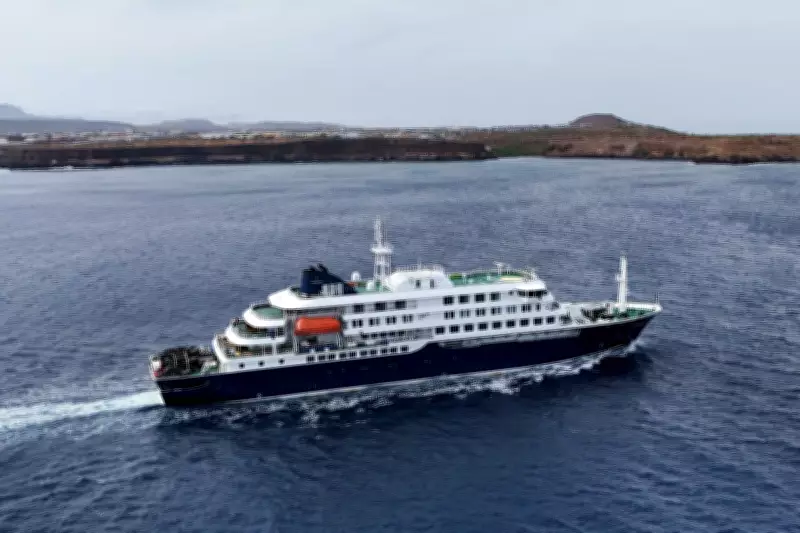
Dozens of passengers, including seven Britons, left the MV Hondius at the remote island of St Helena on April 24, according to operator Oceanwide Expeditions. This occurred nearly two weeks after the first passenger died, raising concerns that the virus could spread as travellers returned home. The ship is currently making its way to Spain’s Canary Islands, where it will dock for passengers to disembark.

There have been three deaths among passengers aboard the luxury cruise ship, and five cases have now been confirmed as hantavirus, while three others remain under investigation. Dr Tedros Adhanom Ghebreyesus, director-general of the WHO, told reporters at a briefing on Thursday: “The WHO is aware of reports of other people with symptoms who may have had contact with one of the passengers. In each case, we are in close contact with the relevant authorities. Given the incubation period of the Andes virus, which can be up to six weeks, it’s possible that more cases may be reported. While this is a serious incident, WHO assesses the public health risk low.”
Contact Tracing Efforts
Professor Robin May, chief scientific officer at UKHSA, described the contact tracing as a “mammoth effort”. He said: “We’ve been tracing individuals on the boat, contacts they have made on shore in South America who may have been associated and, of course, for the individuals who’ve returned home, earlier contacts they have made too on the flights or since they’ve been at home. So it’s been quite a mammoth effort. We will continue to do that if other information arises.”
Prof May explained that UK authorities are not tracking people who may be very transient contacts, such as those they walked past in the airport, but those who sat next to them on a flight will be alerted. He said: “So that would be family members, people who might have shared a room on the cruise, people who may, for example, have sat directly next to somebody on a long-haul flight and reaching out to them so that they can be monitored and alerted.”
Understanding Hantavirus
Hantavirus is mainly spread by contact with rodents or their urine, saliva, or droppings, particularly when the material is disturbed and becomes airborne, posing a risk of inhalation. Though human-to-human transmission of the virus is rare, there is evidence that it can happen in those infected with the Andean strain suspected to be at the centre of the cruise ship cases.
Symptoms of hantavirus pulmonary syndrome usually show between one and eight weeks after contact with an infected rodent. As the infection progresses, patients might experience tightness in the chest as the lungs fill with fluid. The other syndrome caused by hantavirus — hemorrhagic fever with renal syndrome — usually develops within a week or two after exposure.
Isolation and Testing
Prof May explained that “for the broader public, not directly involved in this cruise ship, the risk here is really negligible”. But he told the BBC’s Radio 4 Today programme that in the “most extreme case of incubation” of hantavirus, people may have to isolate for “up to eight weeks”. However, the general consensus is that people should isolate for “probably six weeks, and so that’s the period of isolation, 45 days that we’re likely to be recommending”.

People can “harbour the virus for a long time”, and some people can be asymptomatic and others may not test positive, according to Prof May. He told BBC Breakfast: “We can test people by PCR. I’m sure people will remember during Covid, PCR tests, to look for the kind of genome of this virus in people. But actually that’s not always detected every time, so just because someone might have a negative test, for example, we need to continue to monitor them for some days, because the amount of the virus in people who are not displaying symptoms can be very, very low, so it can be easy to miss. So even for people who are healthy but have been exposed, we’ll be continuing to monitor them for quite some time when they get back to the UK.”