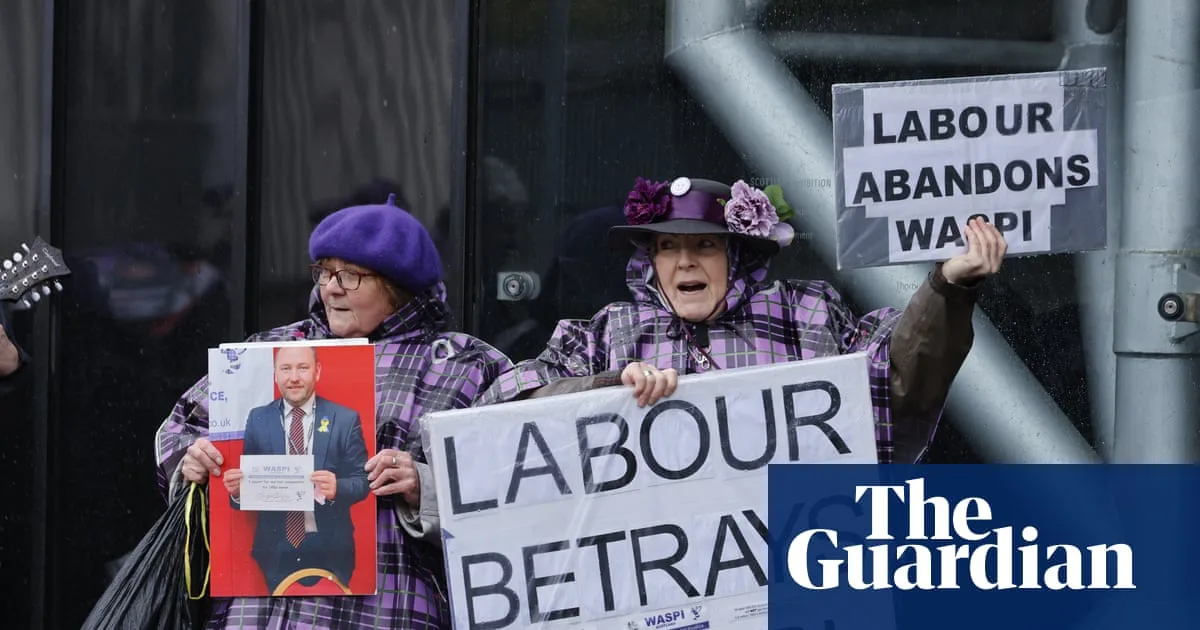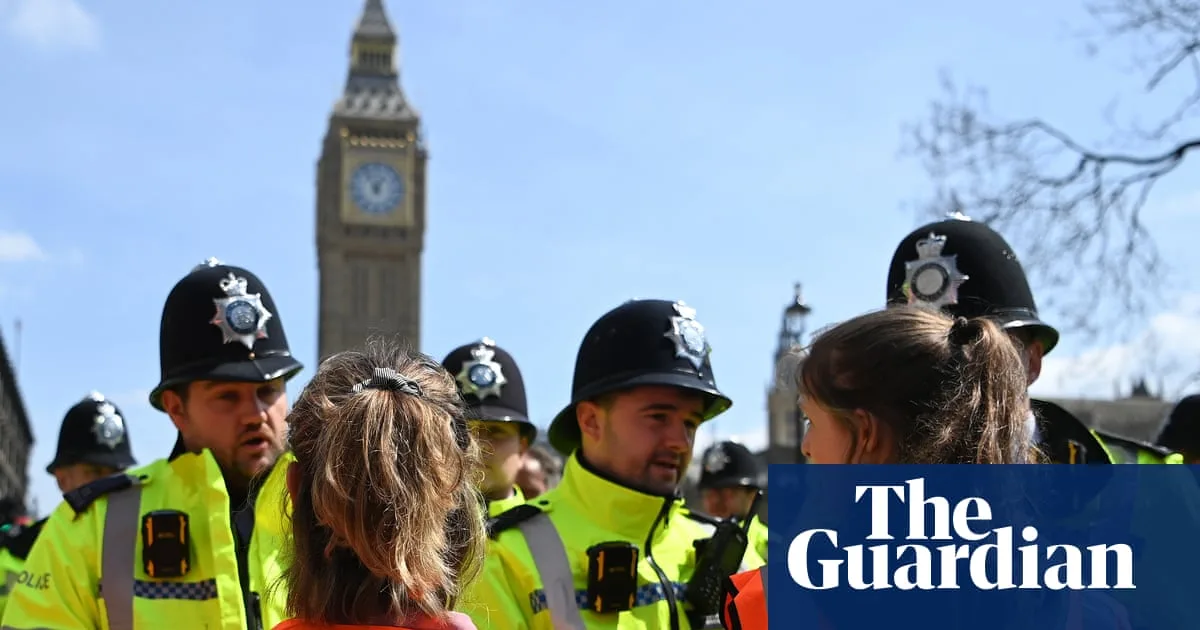
A new report by Queen Mary University of London (QMUL) and the protest group Defend Our Juries claims that Britain has created a new breed of political prisoners through the systematic incarceration of people acting to prevent climate breakdown and the war in Gaza. The research, released on Tuesday, says custodial sentences for direct action or civil disobedience were once rare but are now being imposed with increasing length and frequency.
The study identified 286 cases involving climate and Palestine-solidarity activists who were sent to prison for protest, totalling 136 years of jail time. The average detention period was 28 weeks, with one in three protesters jailed for six months or more and one in five for more than a year. The report points to an increase in anti-protest legislation, police powers, civil law injunctions, and judges removing legal defences as contributing factors.
David Whyte, the report's co-author and professor of climate justice at QMUL, said: 'These are exceptional sentences that are being used to apply to protests which are themselves profoundly political.' He added that extreme sentences and high levels of remand detentions are being used to respond to a category of prisoners involved in civil disobedience and direct action as a result of political protest.

The report describes remand as 'the first line of attack', noting that in 60% of cases, final sentences were more lenient than time already spent in custody awaiting trial. It highlights the 'Filton 24', who were charged with offences connected to a Palestine Action protest at a factory near Bristol run by Israeli weapons manufacturer Elbit Systems. The accused spent up to 18 months in jail—exceeding the standard six-month pre-trial limit—before all but one were bailed after the first set of defendants were cleared of aggravated burglary.
Contempt of court, where there is no jury trial, accounted for 40% of imprisonment cases. This includes breaches of civil injunctions obtained by private companies or public authorities to prevent protest, which Whyte described as 'very concerning' because it allows private companies to impose injunctions leading to jail time. The report found that 69 people were imprisoned after North Warwickshire borough council obtained a high court injunction in 2022 in response to Just Stop Oil's campaign at Kingsbury oil terminal.
A judicial spokesperson said: 'Judicial independence and impartiality are fundamental to the rule of law. In each case, judges make decisions based on the evidence and arguments presented to them and apply the law as it stands.' They added that judges and magistrates sentence according to the law set by parliament and the sentencing guidelines set by the independent Sentencing Council.