The official terror threat level for the United Kingdom has been escalated from "substantial" to "severe" following a series of attacks in Jewish neighbourhoods over recent weeks. The upgrading, announced by the Joint Terrorism Analysis Centre (JTAC) on Thursday, signifies that a terror attack is now considered "highly likely."
What triggered the change?
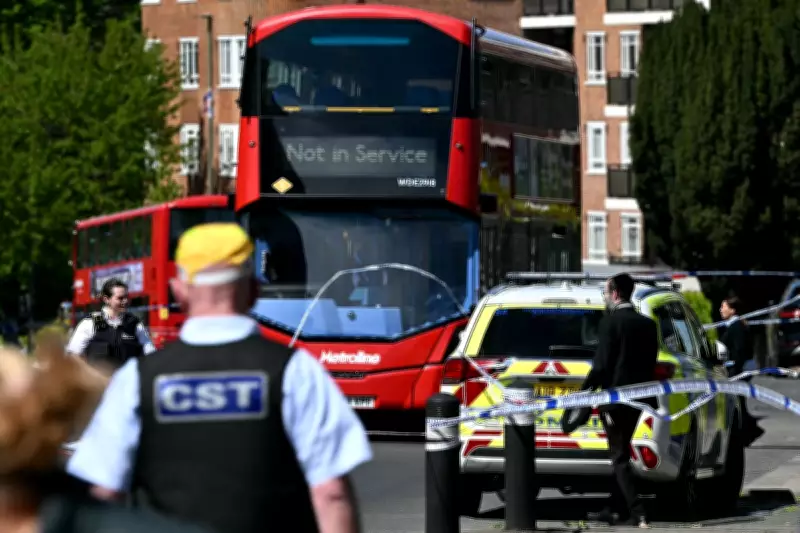
The decision comes after two Jewish men were stabbed in Golders Green on Wednesday, the latest in a string of incidents targeting Jewish communities. The suspect, identified as Essa Suleiman, a 45-year-old British national born in Somalia who arrived in the UK legally as a child in the 1990s, has been apprehended.
Understanding the threat level system
What does the severe rating mean?
A severe rating indicates that authorities believe an attack in the UK is "highly likely." It is the second highest of five levels, just below critical, which means an attack is expected imminently.

How many levels are there?
The five threat levels are: low (an attack is unlikely), moderate (an attack is possible but not likely), substantial (an attack is a strong possibility), severe (an attack is highly likely), and critical (an attack is expected imminently).
Who decides the threat level?
The Joint Terrorism Analysis Centre (JTAC), established in June 2003 and based at MI5's London headquarters, is responsible for setting the threat level. JTAC comprises representatives from 16 government departments and agencies.
How is the judgment reached?
Several factors are considered, including available intelligence, terrorist capabilities, and terrorist intentions. The assessment is based on a comprehensive analysis of current threats.
Historical context of threat levels
The threat level was first made public in 2006. Since then, it has most often remained at severe and has never dropped below substantial. The critical level has been activated four times: in August 2006 (following a plot to detonate explosives on transatlantic flights), June 2007 (after an attempted car bomb attack at Glasgow Airport), and twice in 2017 (after the Manchester Arena bombing and the Parsons Green District line attack). After the Parsons Green incident, the level was downgraded to severe and remained there until November 2019, when it was lowered to substantial. The last elevation to severe occurred in November 2021 after two attacks within a month: a car explosion outside a Liverpool hospital on Remembrance Sunday and the murder of Conservative MP Sir David Amess. It was downgraded back to substantial in February 2022.
How long does a threat level remain in place?
The duration depends on the severity. Critical levels have typically lasted only a few days, being downgraded once suspects are arrested or authorities are confident there is no immediate risk. JTAC reviews the threat level every six months but does not always raise it following attacks. For instance, after the London Bridge Fishmongers' Hall attack in November 2019, JTAC considered raising the level to severe but kept it at substantial.