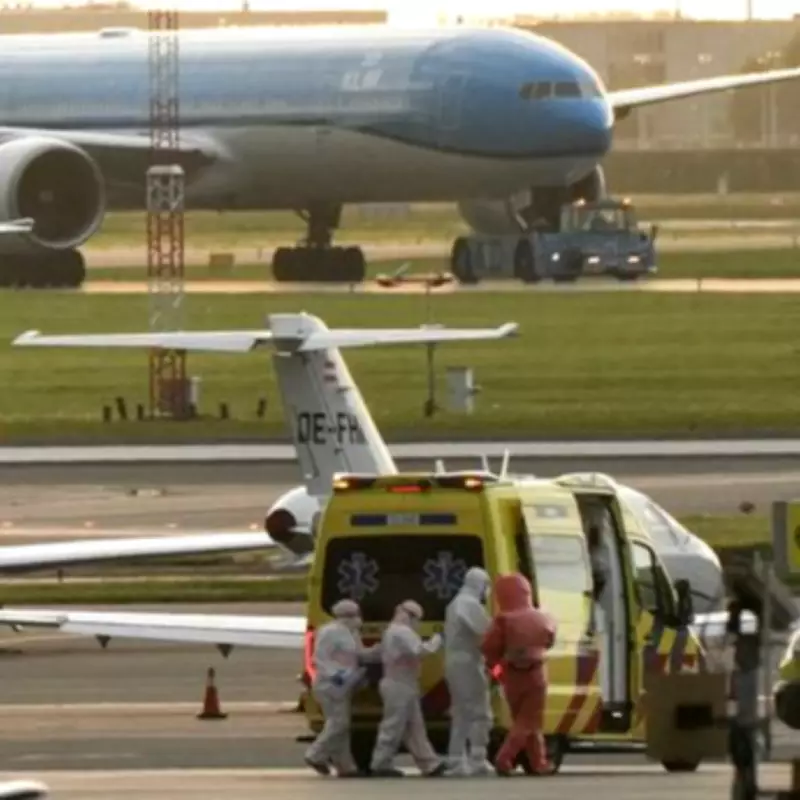
The UK Health Security Agency (UKHSA) has issued a new statement regarding the hantavirus outbreak on the MV Hondius cruise ship, as British nationals begin to return home. Two individuals are already back in the UK and are self-isolating after potential exposure to the virus. A 56-year-old British man remains in stable condition after being evacuated from the ship on Wednesday.
Current Situation
Three people have died either on board or after traveling on the ship, which departed from Argentina one month ago. The UKHSA confirmed that it is working closely with the World Health Organisation (WHO), the Foreign, Commonwealth and Development Office (FCDO), the Department of Health and Social Care (DHSC), and international partners to manage the return of British nationals.
Three individuals, including one British national, with suspected hantavirus have been evacuated to the Netherlands for medical care. The remaining British passengers can be repatriated once the ship docks at its next destination, provided they show no symptoms. None are currently symptomatic, but they remain under close monitoring.

Return and Isolation
The FCDO is arranging the return of these individuals to the UK, where UKHSA will support them with isolation, regular testing, and healthcare contact. Two people who returned independently are asymptomatic and have been advised to self-isolate. UKHSA is also supporting a small number of close contacts who are self-isolating.
Dr. Meera Chand, Deputy Director for Epidemic and Emerging Infections at UKHSA, stated: "Our thoughts are with all those affected by the hantavirus outbreak onboard the MV Hondius. It’s important to reassure people that the risk to the general public remains very low."
Virus Transmission
Hantavirus is a group of viruses carried by rodents and transmitted through droppings and urine. It can cause mild flu-like illness or severe respiratory disease. The strain identified in this outbreak is the Andes virus, which can rarely spread between humans through very close contact.
Infection typically occurs by inhaling contaminated air from rodent urine, droppings, or saliva, or through cuts, eyes, or bites. The WHO is leading the international response, directing the ship and minimizing disease spread. The UK government is coordinating with international partners, including the cruise operator and overseas territories visited by the ship.