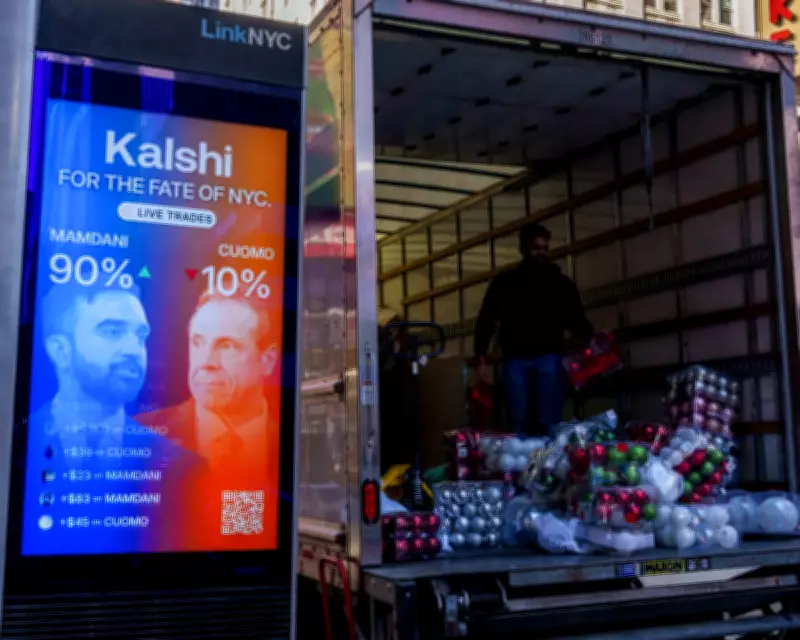
US-based prediction market websites are taking tens of thousands of dollars in bets on Australian elections and even specific words the prime minister, Anthony Albanese, says in parliament, with gambling harm advocates and the wagering lobby raising alarm.
Regulators and Advocates Express Concern
Australian financial and media regulators said they were monitoring the explosion in popularity of platforms like Kalshi and Polymarket, which operate financial exchanges where users buy shares in contracts on the outcome of events. While neither site is approved by Australian regulators and does not allow Australian users, experts say sites can be easily accessed with online VPNs.
We are concerned about it, said Martin Thomas, CEO of the Alliance for Gambling Reform. I think it will be part of this next wave [of gambling] to hit Australia, which will have a deep impact, and which regulators and policymakers will be way behind on.

How Prediction Markets Work
Prediction market sites allow users to buy shares in yes/no markets against other users, on events from sports to politics, pop culture or even the weather. Traditional gambling platforms see users place bets against bookmakers, but gambling harm advocates say they operate in similar ways.
Kalshi and Polymarket are booming in popularity in the US, offering markets on basketball or football games, tennis matches, or combat sports; but also on events like when will traffic at the Strait of Hormuz return to normal? or Bitcoin price at the end of 2026.
Australian Markets Active
Both sites host numerous Australian markets on sport, politics, culture and the economy. Polymarket took nearly US$500,000 in trading on the winner of the Farrer byelection, while Kalshi took US$98,572. Kalshi is hosting markets including Australia unemployment rate in May, and has US$16,000 traded on Who will win the next Australian House election? and US$8,400 on the Reserve Banks cash rate decision in June.
Earlier this month, Kalshi hosted a market on which individual words Albanese would say during parliaments question time, with US$13,000 traded on contracts regarding whether or not he would say words including Iran, TAFE, Trump, tax cuts or healthcare, among others.
Industry and Advocacy Responses
Kai Cantwell, CEO of Responsible Wagering Australia, said: Australians are seeking out these products in large numbers and right now that demand is being met entirely by illegal offshore operators outside Australias laws and protections. In their current form, these platforms create serious integrity risks because the markets can be easily manipulated, particularly when there is little transparency or oversight around how they operate.
Thomas said the Alliance for Gambling Reform was concerned about whether the governments looming wagering reforms would adequately address the new trend. They are growing at an enormous rate in the US, and it doesnt take long for such things to come here. They seem to fall into a complete loophole, and for all our efforts to regulate online gambling, this would miss them.
Government and Regulatory Stance
A government spokesperson said the forthcoming reforms would extend Acmas powers to block illegal gambling websites, broaden existing bans on advertising, and block transactions to prohibited gambling operators. A spokesperson for Kalshi said the company was committed to operating in a regulatory-first manner, including Australia but there were no current plans to seek approval to operate here. Asked about Australian users, the spokesperson said we have no trading there and said they were not worried about Australians seeking access to their site.
ASIC said bets placed on prediction markets were high-risk and speculative and pose a significant risk to retail investors, noting no such provider held an Australian market licence. Acma noted Kalshi had geoblocked users in Australia, but added: We are also aware that some people may attempt to circumvent geo-blocking by using virtual private networks (VPNs).