Iraqi Feminist Yanar Mohammed Assassinated, Sparking Fear Among Women's Rights Activists
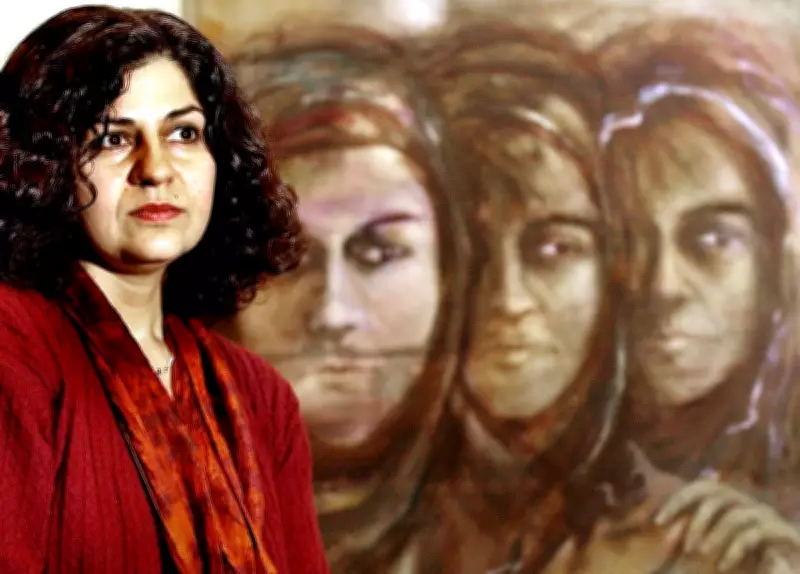
In early March, two unidentified gunmen on motorcycles opened fire on Yanar Mohammed, Iraq's most prominent women's rights activist, as she stood outside her home in northern Baghdad. Mohammed, who had long faced death threats from Islamic State and other armed groups, was killed instantly. Her assassination marks the latest in a series of murders of well-known female figures in Iraq, including a female lawyer supporting girls who was killed in early April.
Speaking to media outlets, women in Iraq report that these murders have had a chilling effect on their ability to advocate for rights at a time when freedoms are regressing. Last year, the Iraqi parliament passed a law permitting children as young as nine to marry, which activists condemn as legalising child rape and trapping girls in abusive relationships with lifelong consequences due to interrupted education.
Legacy of Protection and Empowerment
Yanar Mohammed returned to Baghdad in 2003 after the US invasion and founded the Organization of Women's Freedom in Iraq (OWFI), establishing the country's first shelters for women threatened with death or abuse. She expanded this into a network of 11 safe houses across Iraq, providing not only protection but also spaces for women to rebuild their lives, gain skills, and achieve economic independence.

Tamara Amer, head of the Iraqi Women's Rights platform, described Mohammed as "revolutionary unlike any woman we have ever known, and despite all the threats, she never stopped." Fellow activist Iqbaal al-Aamli, founder of the Edrak Centre for Women's Rights, highlighted Mohammed's personal dedication: "No one did what she did. She memorised their names and stories, followed daily life details, and personally visited safe houses to ensure safety."
Broader Advocacy and Systemic Threats
Beyond the shelters, Mohammed ran public awareness campaigns on issues like sexual slavery, human trafficking, and violence against women, while demanding gender equality. She documented conditions for survivors, especially those rejected by families, and addressed the UN Security Council in 2015 on gender equality's role in global peace.
However, her work faced significant opposition. In 2020, officials from Iraq's Council of Ministers took legal action against her organisation, accusing it of harbouring "runaway" women and encouraging them to leave families—charges strongly denied by the group, which stated the women were victims of violence and forced marriage.
Chilling Effect on Activism
The lack of prosecutions for Mohammed's killers, with no public updates on investigations, has left women more fearful. Activists report receiving threatening messages with personal details, and perpetrators of attacks are rarely identified. For instance, Dr. Ban Ziad Tariq, a female psychiatrist in Basra killed in late 2025, had her death recorded as a suicide, sparking outrage and arrests of activists covering the case.
Suha, an Iraqi women's rights activist who requested anonymity, has stopped identifying as a feminist and deleted blog posts and photos from demonstrations with Mohammed, fearing for her safety. She now writes under pseudonyms, reflecting a broader trend of self-censorship among advocates.
Continuing the Fight
Despite the dangers, staff from Mohammed's organisation, who wished to remain anonymous, vow to continue her work. They stated, "We will complete this path that Yanar started, because they want to keep us silent and eliminate us. But we will never deviate and we will not stop; Yanar created inspiring women out of every victim." This commitment underscores the resilience of Iraq's women's rights movement amid escalating threats and legal challenges.