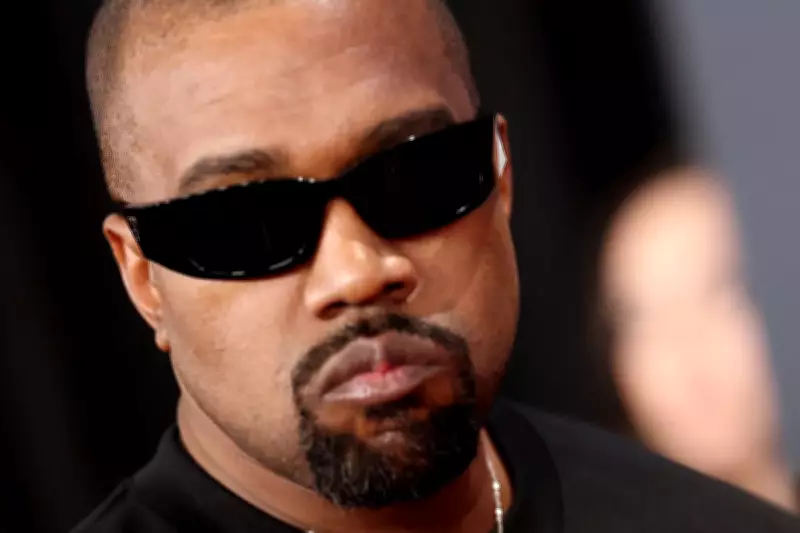
Sir Ed Davey, the leader of the Liberal Democrats, has formally urged the Home Secretary to ban Kanye West from entering the United Kingdom. This call comes ahead of West's scheduled headline performance at London's Wireless Festival in 2026, which would mark his first UK show in over ten years.
Controversy Surrounds Festival Announcement
The announcement of Kanye West as a headliner for the Wireless Festival has sparked significant backlash and widespread concern. West has a documented history of making antisemitic remarks, including describing himself as a Nazi and repeatedly issuing statements that have been condemned as hateful towards Jewish communities.
Political and Community Opposition
In his appeal, Sir Ed Davey emphasised the urgent need to take antisemitism more seriously, arguing that allowing West into the country would send the wrong message. He is not alone in his opposition; Jewish leaders and the Mayor of London, Sir Sadiq Khan, have also voiced strong objections to West's planned appearance at the festival.

These figures have highlighted the potential harm and distress that West's presence could cause, particularly in light of his past behaviour. The collective stance underscores a growing demand for accountability and sensitivity in public events involving high-profile individuals with controversial histories.
West's Apology and Health Considerations
In January, Kanye West issued a public apology through a full-page advertisement in the Wall Street Journal. In this statement, he attributed his previous antisemitic behaviour to his bipolar-1 disorder, expressing regret for his actions and words.
However, this apology has done little to assuage the concerns of critics, who argue that past actions must have consequences regardless of health explanations. The debate continues as to whether such apologies are sufficient to mitigate the impact of hate speech and whether they should influence entry decisions.
Broader Implications for UK Policy
This situation raises important questions about the UK's approach to banning individuals based on their conduct and statements. It touches on issues of free speech, public safety, and the moral responsibilities of event organisers and governmental bodies.
As the Home Secretary considers Davey's request, the outcome could set a precedent for how similar cases are handled in the future, balancing artistic expression against the need to protect communities from hate and discrimination.