UAE Authorities Detain Over 100 for War-Related Misinformation in Abu Dhabi
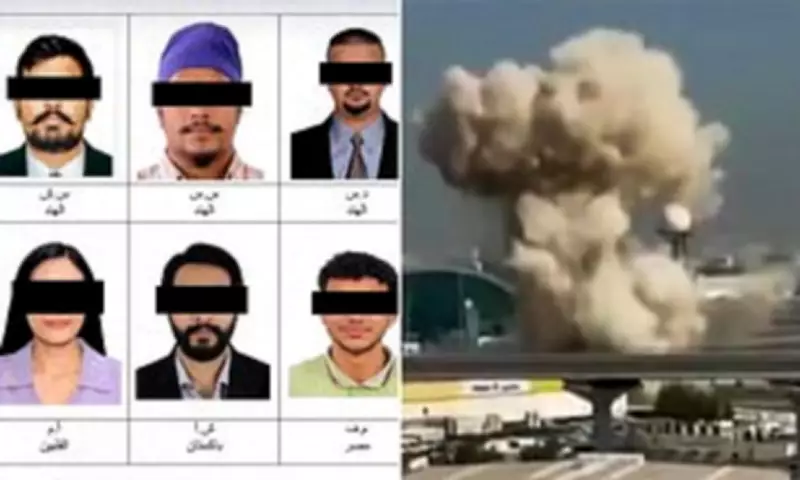
In a significant enforcement action, Abu Dhabi police have confirmed the arrest of more than 100 individuals for filming and disseminating misinformation during the ongoing Middle East conflict. This crackdown reflects a broader regional effort by Gulf countries to control footage and posts related to Iran's attacks, which were triggered by US and Israeli strikes on the Islamic Republic.
Details of the Arrests and Legal Actions
According to a social media statement from United Arab Emirates police, 109 people of various nationalities were apprehended for recording sites and incidents and circulating incorrect information via social media platforms. The authorities emphasized that such actions "are liable to incite public opinion and spread rumours among members of the community." Additionally, the UAE attorney-general has ordered the arrests of 35 individuals specifically for publishing misinformation, filming war-related footage, or glorifying a hostile state and its leadership.
High-Profile Cases and Human Rights Concerns
The crackdown has extended to tourists, with reports indicating that a European father-of-three was arrested in Dubai after posting a photograph of the Fairmont The Palm hotel following an Iranian drone attack on March 9. Despite initial assurances from authorities that he would be briefly detained, he has not been seen since, raising alarms from human rights groups. Radha Stirling from Detained in Dubai described the tourist as being left at the "mercy" of state security, held without access to a lawyer, embassy, or phone, and subjected to poor conditions including sleeping on the floor and limited food.

In another case, a 60-year-old British man from London was among 21 people charged under cybercrime laws for videos and social media posts related to recent missile strikes. He is accused of broadcasting provocative propaganda that could disturb public security, though he claimed to have deleted the content and expressed no malicious intent.
Regional Context and Economic Impact
Similar measures have been implemented across the Gulf region as Iran targets not only US assets but also civilian infrastructure, including landmarks, oil and gas facilities, airports, and residential areas. For instance:
- Qatar has arrested over 300 people for sharing images and misleading information during the war.
- Bahrain and Kuwait have also taken comparable actions to curb misinformation.
The Gulf has been heavily impacted by Iran's retaliatory attacks in response to the US-Israeli military campaign, with recent strikes on Israel and energy sites coinciding with significant Muslim holidays. The conflict has led to:
- Choked oil supplies, contributing to global economic strain.
- Increased food and fuel prices beyond the Middle East.
- Uncertainty over damage to Iran's military and energy facilities due to limited information flow.
Broader Implications and Ongoing Conflict
The US and Israel have provided varying justifications for the war, ranging from attempts to incite an uprising against Iran's leadership to dismantling its nuclear and missile programs. However, there are no visible signs of such an uprising, and the conflict shows no immediate resolution. This environment of instability underscores the importance of accurate information dissemination, as authorities continue to prioritize security and public order through stringent legal measures against misinformation.