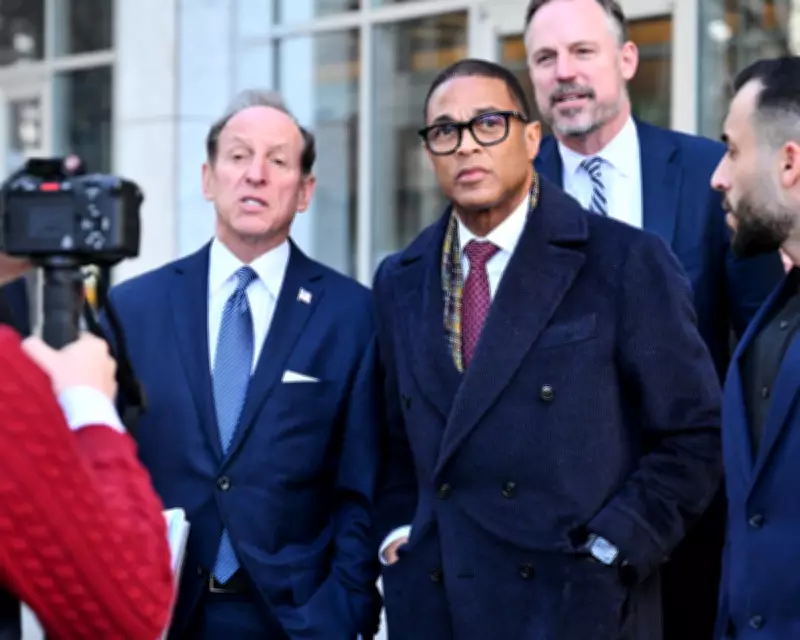
A federal judge has unsealed court records revealing that the Department of Justice (DOJ) made unsuccessful attempts to secure search warrants targeting journalists Don Lemon and Georgia Fort, along with three protesters involved in a demonstration at Cities Church in St Paul, Minnesota, last winter.
Court Rejects Warrants Twice
The search warrant applications were rejected on two occasions by Magistrate Judge John Docherty, who issued sharply critical opinions. Judge Docherty stated that the DOJ failed to meet basic legal standards and chastised prosecutors for not disclosing a federal law that could have rendered the warrants illegal. Subsequently, the DOJ withdrew its requests.
This case highlights a disturbing pattern of the DOJ's disregard for constitutional protections and its attempts to conceal legal requirements. With increasing government attacks on free speech and declining independence within the DOJ, it is crucial for judges to rigorously review government requests, for prosecutors to face consequences for abuse of power, and for Congress to enact robust laws safeguarding First Amendment rights.

Threat to Freedom of Speech
The unsealed records demonstrate how the DOJ is using prosecutions of protesters and journalists to directly threaten free speech. The first set of applications sought information about YouTube channels used by Lemon, Fort, and a protester, William Scott Kelly. However, the government also demanded subscriber information—names, addresses, and emails of viewers. Watching a YouTube channel is not a crime and is clearly protected by the First Amendment. The demand for subscriber data appears intended to intimidate and discourage people from viewing independent journalism or speech critical of the government.
A second set of warrant applications raised additional free speech concerns. The government again targeted Lemon and Fort's YouTube channels but failed to mention the Privacy Protection Act of 1980, a federal law that generally prohibits search warrants targeting journalists and others who publish information to the public. This law requires the government to use a subpoena instead of a search warrant, allowing the news media to challenge subpoenas in court before sensitive materials are accessed. Search warrants can only be challenged after the fact, once sources have been exposed and files seized.
Prosecutors admitted they considered whether the statute prohibited the warrants but decided they did not have to inform the court. Similarly, federal prosecutors failed to mention the act when obtaining a search warrant to raid Washington Post journalist Hannah Natanson's home—a judge later said he might have ruled differently had he known about the law.
Ethical Violations and Need for Reform
Refusing to disclose a statute designed to protect First Amendment rights is unethical. Attorneys should not hide relevant law from courts, especially in secret warrant proceedings where no opposing counsel is present. Such conduct violates prosecutors' ethical duties and undermines the DOJ's commitment to justice.
Courts have long granted DOJ prosecutors a 'presumption of regularity,' assuming they act in good faith. This case and others demonstrate that this assumption is no longer justified. As the DOJ continues to abuse the criminal justice system to target government critics, whistleblowers, and journalists, judges must not rubber-stamp warrant applications, particularly when First Amendment rights are at stake. Prosecutions of journalists for doing their jobs—such as those of Fort, Lemon, and photographer Junn Bollmann, who was arrested for covering the Cities Church protest—should be dismissed on First Amendment grounds.
Courts must also unseal records revealing government incompetence, lack of ethics, and constitutional violations. The only reason these DOJ actions are known is because Judge Docherty unsealed the records. Other abuses may be hidden in sealed court records nationwide.

Judges can sanction attorneys who violate ethical duties and refer them to ethics boards for discipline. While attorney ethics committees have been reluctant to hold DOJ attorneys accountable, respected jurists urging action could change that. Congress can also prohibit legal gamesmanship around press freedom protections. The Privacy Protection Updates Act would require the government to affirmatively disclose the Privacy Protection Act when seeking search warrants targeting the press. Lawmakers should pass this essential bill to prevent prosecutors from hiding the law from judges.
In this case, a judge stopped one instance of government overreach. Collaborative efforts are needed to prevent future violations of constitutional rights.