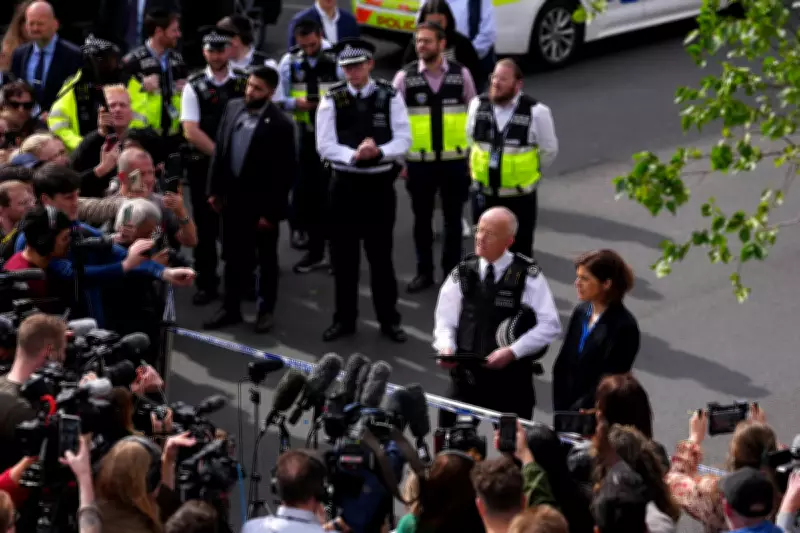
A public dispute between Metropolitan Police Commissioner Mark Rowley and Green Party leader Zack Polanski over the Golders Green terror attack has raised questions about the boundaries of police impartiality and political accountability. Neither party has broken any laws, but the spat carries risks for both, as Sean O'Grady explains.
What Did Polanski Do Wrong?
Polanski did not commit any legal offence. He reposted a message on X describing how the attacker was subdued, which read: "So essentially his officers were repeatedly and violently kicking a mentally ill man in the head when he was already incapacitated by a Taser." Critics argue he showed undue sympathy for a suspect allegedly intent on killing Jewish people. Rowley viewed this as an attack on his officers' integrity.
What Did Rowley Do Wrong?
While no rules were broken, critics contend that Rowley breached the convention that chief constables avoid public arguments with party leaders, thereby compromising police operational independence and public consent. Rowley, perhaps more emotional than he appears, defended his officers robustly: "Apprehending violent and dangerous criminals is a full-contact and messy task which may appear shocking to observers with little experience of policing in the real world. Officers need to know that when they act to protect Londoners decisively, they will be supported."

Did Polanski Go Too Far?
Polanski likely did not intend to provoke such a backlash, with even some of his own colleagues distancing themselves. His party issued a statement: "Zack saw the video like everyone else, and doesn’t know the full picture and knows it was a very difficult situation for the authorities, but we do need to understand more about the response." Polanski also condemned the antisemitic attack, urging politicians to work together to protect Jewish people.
Did Rowley Go Too Far?
Arguably, his statement was personally dismissive and could have been ignored to avoid the Met appearing partisan in debates over protest rights and Middle East conflicts. Polanski is no longer a fringe figure, making Rowley's public rebuke more consequential. If Polanski were elected and had policy oversight of the Met, their ability to cooperate would be in doubt.
Rowley previously resisted interference from Home Secretary Suella Braverman over pro-Palestinian protests but refrained from publicly admonishing her. He did, however, criticise Reform UK MP Lee Anderson for legal ignorance during a committee hearing. While understandable, such clashes are best avoided. Like his officers policing protests, Rowley must sometimes endure abuse to maintain calm.