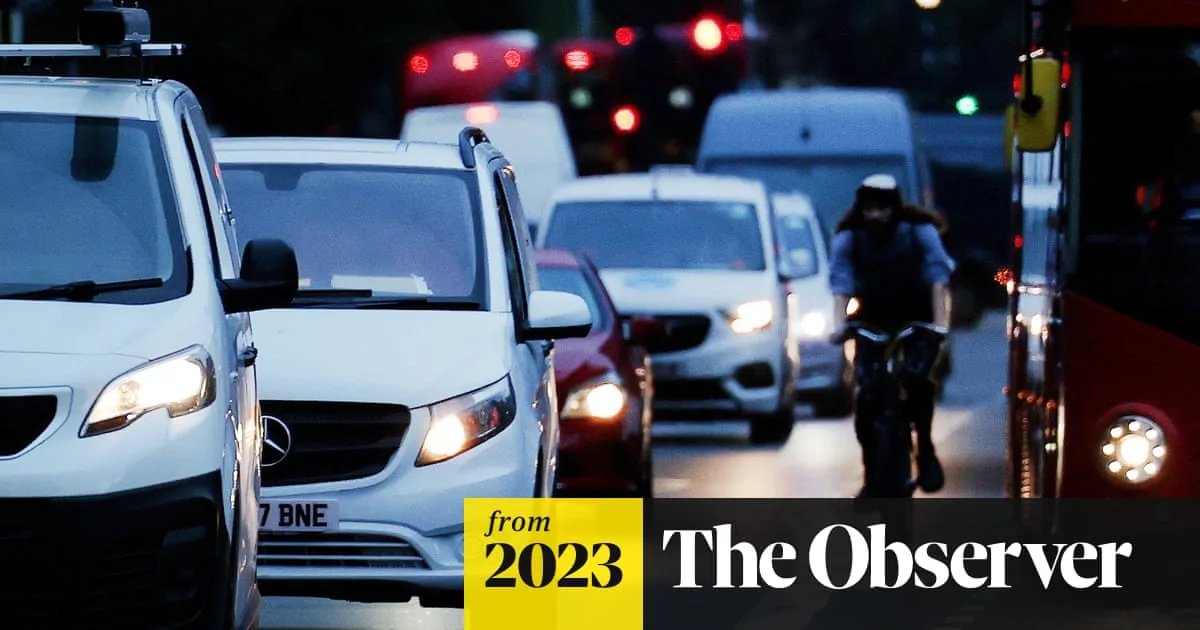
The Conservative Party is intensifying its pre-election strategy by positioning itself as the defender of drivers, seeking to paint Labour as 'anti-motorist' ahead of the next general election. Key wedge issues include climate policies, speed limits, and low-traffic neighbourhoods.
Prime Minister Rishi Sunak recently delayed the ban on new petrol and diesel car sales from 2030 to 2035, a move that drew international criticism but allows the Tories to attack Labour for pledging to reinstate the earlier deadline. Labour argues that businesses have already invested based on the 2030 target.
The Tories have also seized on the Welsh Labour government's decision to reduce the default speed limit in built-up areas to 20mph, claiming Labour would roll this out nationwide—despite Labour having no such plans. The policy, aimed at reducing deaths and noise, has proven controversial, with large petitions opposing it.

Sunak's pro-car pivot was reinforced by the narrow Conservative victory in the Uxbridge by-election, which was largely fought on opposition to London's ultra-low emission zone (Ulez). Labour mayor Sadiq Khan continues to defend Ulez, and similar schemes are planned in other cities, offering the Tories further electoral opportunities.
Low-traffic neighbourhoods (LTNs) have become another cultural battleground. Sunak has ordered a review of these schemes, which were introduced in many cities during the pandemic. While some drivers oppose them, they have support in areas where they reduce traffic near schools.