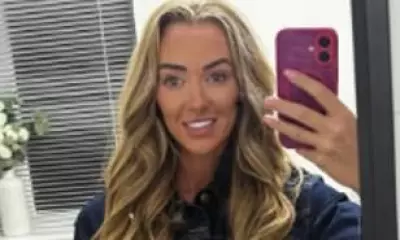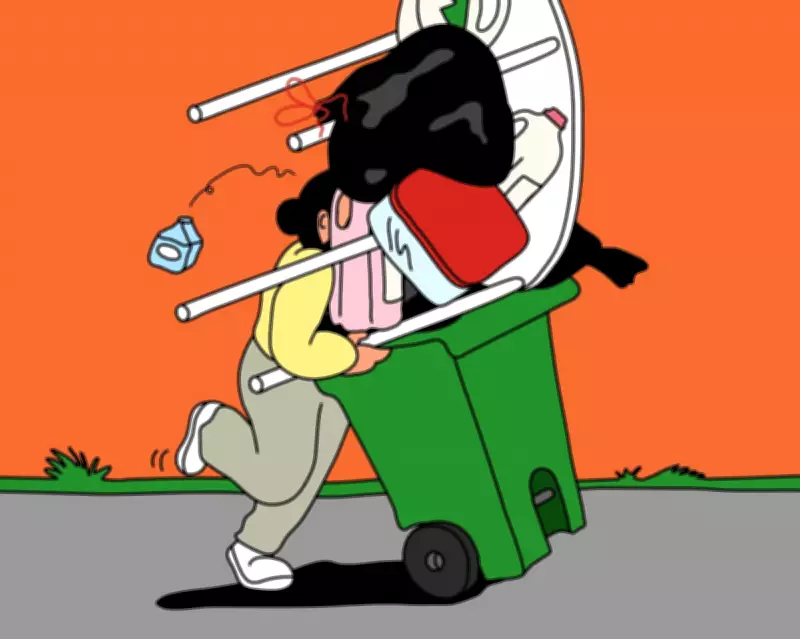
Amy is worried about microplastics, while Melanie says she cannot bin everything. Their disagreement over eliminating plastics from their home has become a point of contention, and now they turn to you to decide who is right.
The Prosecution: Melanie's Case
Melanie argues that while she wants to live a healthier life, removing all plastics is unrealistic and unaffordable. She explains that her girlfriend Amy has become increasingly concerned about microplastics and environmental toxins after watching online content about how plastics affect fertility. This has escalated into a broader effort to remove anything considered toxic from their home.
They have thrown out hundreds of pounds worth of cleaning products and replaced toothbrushes and dental floss. Melanie came home to find all their plastic food containers binned, and now Amy wants to discuss replacing furniture, such as swapping their white plastic dining table for an oak one.

In principle, Melanie understands it will be better for them. She shares the desire to live a healthier lifestyle, especially as they are trying for a baby using a donor and she will be carrying the pregnancy. However, the pace and intensity of the change feels unmanageable.
She points out that they cannot realistically eliminate all plastics and find alternatives overnight. The world is full of plastic, and so is their home: polyester cushions, plastic shoes, and appliances she is not prepared to throw out. Attempting total removal feels financially and emotionally unsustainable. Buying a new dining table would not be easy on their wallets.
Both are self-employed and saving for a baby, so they need to be frugal. Plastic-free products are often deemed specialist, and cheap alternatives are hard to find. Melanie was shocked to find Amy had spent about £200 on organic cleaning products.
At the moment, it feels as if any normal behaviour is deemed unsafe by Amy. If Melanie picks up a plastic bottle of water, Amy snatches it and says it is poisonous. Melanie supports the decision to live with fewer toxins, but the level of vigilance is harming their wellbeing. She wants them to make healthier choices gradually and realistically, rather than through sweeping changes that leave them feeling anxious and restricted.
The Defence: Amy's Case
Amy acknowledges that plastics and chemicals are everywhere, but she believes that small changes can help improve their health. She watched a documentary that scared her, learning that brushing teeth with a normal toothbrush releases hundreds of thousands of microplastics into the mouth every day, linked to illness and altered brain functionality.
She did not start looking into endocrine disruptors and microplastics because she wanted to overhaul their home overnight. It was because they are trying for a baby, making her more conscious of what they are exposed to. If they have a child, she wants them to have the best start in life and be as healthy as possible.
Sometimes Mel acts as if Amy is trying to dismantle their entire life, but Amy insists she is just trying to make things better. Switching cleaning products and replacing plastic food storage with glass will benefit them for years. When she threw away their cleaning products, it was because she had done the research and knew how much better nontoxic ones would be for them. That was not a gradual adjustment, but she does not regret it.
Amy feels overwhelmed sometimes, but being told to calm down or take it slow does not help. She does not want to make their lives miserable; she wants them to make informed choices together. Not drinking from plastic bottles is an easy change, as is using better cleaning products. Mel and Amy need to work together on this, and active participation is important to her. If her decisions seem rash, it is only because Mel has not heard all the facts. If she watched the same documentary, she would feel the same. Making their home safer for their unborn child is a priority.
The Jury of Guardian Readers
Estelle, 27, says getting rid of plastic will not make their home healthier if they replace it with pressure and resentment. Amy's pursuit is noble, but her cold-turkey approach risks alienating Melanie from the cause.

Val, 68, notes that they both want to live with fewer toxins, but Amy should not decide the pace without agreement from Melanie. Throwing out all plastic containers and cleaning products without discussion contradicts her claim that she wants to make informed choices together.
Ivan, 29, argues that life is too short to make it hard for yourself. Carrying containers everywhere and only going to specialist retailers is impractical when there is work and chores to be done. Changing your life after one documentary is extreme, and Amy should consider the benefits of plastic.
Michael, 39, suggests that if they plan together what can change now and what can wait, Melanie might feel part of it instead of feeling it is something being done to her.
Jon, 50, says Amy is valiant in trying to live a healthier lifestyle, but not making it a joint decision with Melanie seems detrimental to their relationship, and they need to work together when they have a child. He wonders if Amy's obsession might be masking a deeper issue.
Now You Be the Judge
In our online poll, tell us: should Amy bin her hatred of plastics? The poll closes on Wednesday 3 June at 9am BST.
Last week's results: We asked, should Martin stop telling his wife how to mop the floor? 98% of you said yes – Martin is guilty. 2% said no – Martin is innocent.