Iraq Formally Requests World Cup Playoff Postponement Amid War Disruption
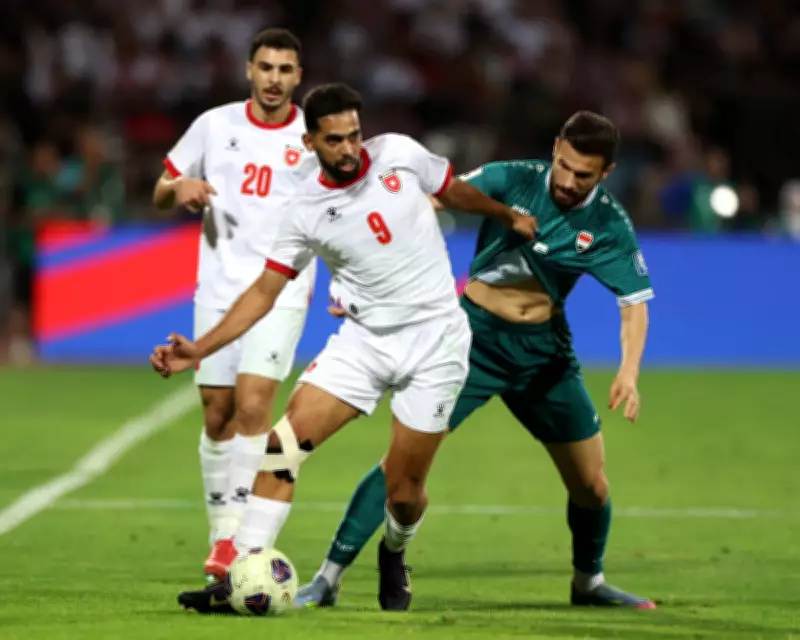
Iraq has made a formal request to FIFA to postpone its upcoming World Cup playoff match, scheduled for the end of March in Monterrey, Mexico. This move comes after the country rejected a proposal from the world football governing body that involved a grueling 25-hour road journey for the squad to Turkey before flying to Mexico.
Travel Chaos and Safety Concerns Hinder Iraqi Team
The playoff against Bolivia or Suriname, set for 31 March, is now in serious doubt. The Iraqi Transport Ministry has informed the Iraqi Football Association that the nation's airspace will remain closed for the duration of the war, preventing direct flights. Approximately half of the Iraqi squad is currently stranded in Baghdad, unable to travel, while the Australian head coach, Graham Arnold, is stuck in Dubai.
In recent correspondence, FIFA suggested that Iraqi players travel from Baghdad to Istanbul by road—a perilous journey through northern regions that have been under attack from Iranian drones since the conflict began. Coach Arnold has reportedly told the Iraqi FA that he will not allow his players to undertake this road trip while the war persists, citing significant safety risks.

Visa Issues and Lobbying Efforts Add to Complications
Beyond the travel obstacles, several Iraqi players and backroom staff have yet to obtain visas for Mexico or the United States, where they had planned to hold a training camp in Houston. The Iraqi FA is actively lobbying FIFA for a swift decision and announcement on a postponement this week to provide certainty and allow for proper planning.
Iraq has already secured a spot in one of two finals in the six-team intercontinental playoffs, with their match being the last of the tournament. The uncertainty surrounding this fixture could disrupt the broader playoff schedule.
Potential Replacement Role for Iraq in World Cup
In a twist that might offer a solution for FIFA, Iraq is considered the most likely candidate to replace Iran should their neighbours withdraw from the World Cup due to the war. As the next highest-ranked team based on the Asian Football Confederation qualifying tournament, Iraq could step in, adding another layer of complexity to the ongoing negotiations.
The situation highlights the intersection of global sports and geopolitical conflicts, with football politics taking center stage as Iraq navigates these unprecedented challenges.